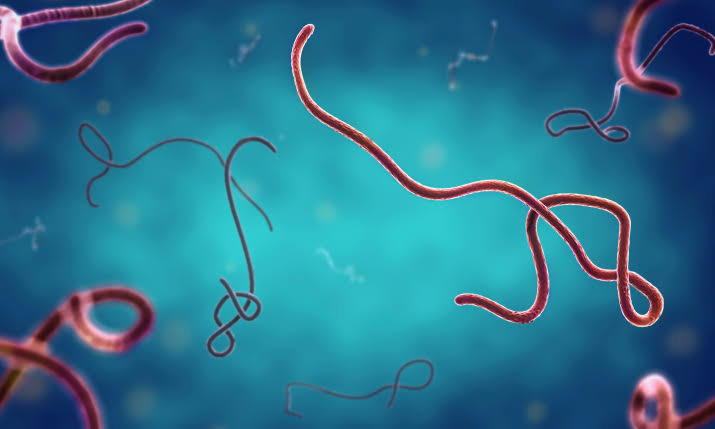
On 4 October 2026, Nigeria’s federal government announced that it has placed all 46 identified high‑risk contacts of the country’s first confirmed Ebola virus disease patient under quarantine, while the patient, a Ugandan‑born woman, is showing significant clinical improvement and no community transmission has been detected.
Key facts:
- The index case arrived in Abuja on 3 October via Ethiopian Airlines after travelling from Uganda.
- Forty‑four contacts were exposed at the hospital where the patient was treated and two were members of her domestic staff.
- Minister of Aviation and Aerospace Development Festus Keyamo ordered the Federal Airports Authority of Nigeria (FAAN) to add the contacts to a no‑fly list and instructed the Nigeria Civil Aviation Authority to alert airlines.
- Health Minister Prof. Ali Pate said, "We currently have one confirmed case, and our priority is to contain it and prevent transmission into communities or a wider outbreak."
- The Nigeria Centre for Disease Control and Prevention ([NCDC](https://www.ncdc.gov.ng/)) has activated its incident management system in partnership with the Federal Capital Territory Administration.
**What actions have been taken at airports?**
The aviation ministry directed heightened Ebola surveillance at all international airports, including temperature screening, verification of travel histories, digital health declarations and close coordination with public health authorities. The no‑fly restriction aims to stop contacts from travelling while they may develop symptoms.
**How is the patient’s condition described?**
Prof. Ali Pate, coordinating minister of Health and Social Welfare, reported that laboratory results indicate the patient is making a “significant improvement” and may fully recover. She emphasized that the case was imported, noting the patient was asymptomatic on arrival and only developed symptoms several days later.
**What is the role of the Africa Centre for Disease Control?**
Dr. Jean Kaseya, Director‑General of the Africa CDC ([Africa CDC](https://africacdc.org/)), called for the patient to disclose her complete travel itinerary to help pinpoint where the virus was contracted. He also explained that no vaccine currently exists for the Bundibugyo strain responsible for this outbreak, although clinical trials of candidate vaccines, including one produced in Egypt, have begun.
**What concerns did Prof. Oyewale Tomori raise?**
Renowned virologist Prof. Oyewale Tomori urged the government to provide full transparency about the patient’s movements, contact‑tracing details and diagnostic procedures, warning that fragmented information could spark rumours and erode public trust. He recalled the 2014 Ebola episode in Nigeria and stressed the need for adequate isolation facilities and trained staff should additional contacts test positive.
**How are the South‑East states responding?**
- **Abia:** Permanent Secretary Dr. Blossom Uma‑Kalu is finalising an infectious‑disease hospital in Aba and upgrading an isolation unit in Umuahia, while distributing PPE and hand sanitiser to health workers.
- **Enugu:** Commissioner for Health Prof. George Ugwu has intensified surveillance across all 17 LGAs, re‑activated the Public Health Emergency Operations Centre and placed rapid‑response teams on standby.
- **Anambra:** Health Commissioner Dr. Afam Ben Obidike reported monitoring 40 persons of interest, with 33 cleared and seven still under observation, and has deployed surveillance officers to airports, motor parks and other public venues.
- **Ebonyi:** Commissioner Dr. Moses Ekuma highlighted the activation of an equipped isolation centre and urged residents to practice good hygiene and safe burial practices.
**What is the federal government’s overall message?**
Minister Pate appealed for calm, stressing that Ebola spreads only through direct contact with infected bodily fluids and is not airborne. She urged Nigerians to follow hand‑washing protocols, cooperate with quarantine orders and rely on information from recognised health authorities. The Presidential Task Force on Ebola Preparedness, chaired by Chief of Staff Femi Gbajabiamila, continues to coordinate resources, reinforce state response plans and monitor the situation closely.
The government also warned against circulating unverified claims on social media, emphasizing that adherence to public‑health directives remains essential to prevent a wider outbreak.