
Prince Shuaibu Abubakar Audu, the Minister of Steel Development, has expressed Nigeria's desire for a strategic alliance with the European Union (EU) to further develop the country's steel and minerals sector value chain. This initiative is aimed at attracting significant long-term foreign direct investment, aligning with President Bola Tinubu's 'Renewed Hope Agenda'.
Audu made these remarks during his keynote address at the ongoing Nigeria–German Economic Forum held in Dortmund. He highlighted Nigeria's ongoing transition from being a primary exporter of raw materials to becoming a nation focused on value addition and industrialization. The Minister emphasized the country's search for reliable, long-term partners to aid this significant transformation.
He pointed out that Nigeria's strategic geographical location and its large, youthful population of nearly 250 million people make it an ideal regional trade hub for Africa. Audu also noted that the nation possesses extensive reserves of essential minerals for steel production and for the emerging energy transition sector.
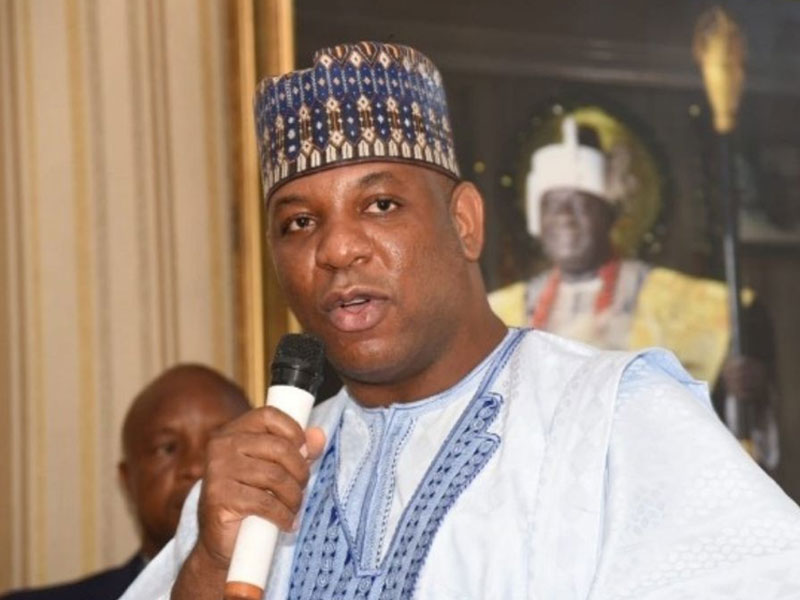
The Minister stressed the considerable domestic market for steel in Nigeria, estimating an annual consumption of approximately $10 billion, which signifies a substantial market opportunity.
Nigeria is actively seeking partners with expertise in steel and aluminium production, mineral processing and beneficiation, and the development of industrial infrastructure, including power generation, rail networks, gas supply, and port facilities, Audu explained.
He further underscored the critical need for enhancing technical skills and facilitating technology transfer to bolster the nation's workforce capabilities.
According to Audu, Nigeria holds vast deposits of iron ore, with estimates exceeding three billion tonnes. Additionally, the country has substantial reserves of limestone, manganese, copper, lead-zinc, lithium, and various rare-earth minerals.
These abundant natural resources, he informed the forum attendees, are well- suited to support both the growth of domestic industries and to generate export revenue for Europe.
Comments (0)
You must be logged in to comment.
Be the first to comment on this article!