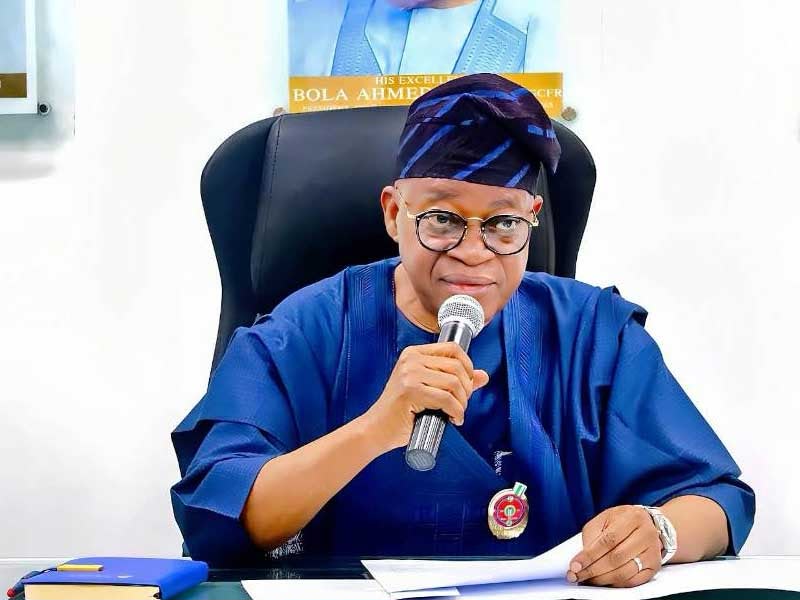
Nigeria’s Minister of Marine and Blue Economy, Adegboyega Oyetola, urged the federal government to secure greater international maritime investment, technical know‑how and capacity‑building assistance during the 138th session of the International Maritime Organisation (IMO) Council in London, aiming to boost the nation’s blue‑economy prospects.
What is the minister seeking?
Oyetola, leading Nigeria’s delegation, said that developing maritime nations must obtain technical expertise, institutional backing and investment avenues to compete in the evolving global shipping arena. He emphasized that such support would reinforce maritime institutions, enhance regulatory capacity and create a favourable climate for investment in shipping and related sectors.
When and what is being reviewed at the council?
The IMO Council is currently examining financial allocations for the 2026–2027 biennium and setting strategic priorities for 2028–2029. This timing offers Nigeria a platform to advocate for expanded technical cooperation and capacity‑building programmes.
How does Nigeria intend to influence security measures?
A key agenda item, Agenda Item 11, focuses on safeguarding vital international shipping lanes amid rising security threats in high‑risk zones. Nigeria plans to draw on its experience combating piracy and maritime crime in the Gulf of Guinea to push for stronger international collaboration and coordinated security responses.
Why are seafarers highlighted?
The minister stressed that seafarers are essential to global trade, stating, “Seafarers are the lifeblood of international shipping. Their safety, dignity and welfare must never be compromised by geopolitical tensions.” He called for robust international measures to protect maritime workers and uphold their rights.
What is the broader significance for Nigeria?
The five‑day meeting, running from 2 November to 6 November 2026, provides Nigeria an opportunity to shape international shipping policy, attract development partnerships and advance the interests of developing maritime economies. By leveraging its regional anti‑piracy track record, Nigeria hopes to position itself as a pivotal voice in global maritime governance.
Overall, Oyetola’s appeal reflects Nigeria’s commitment to building a competitive, sustainable blue economy and to ensuring that its maritime sector benefits from the technical and financial resources needed to thrive on the world stage.