
The Governor of the Central Bank of Nigeria (CBN), Mr. Olayemi Cardoso, revealed on Monday that the country’s net foreign exchange reserves experienced an astonishing rise of 772 percent over a two-year period, escalating from $3.99 billion at the conclusion of 2023 to $34.80 billion as of December 2025.
Cardoso made this announcement in a statement on Monday.
During a briefing after the Monetary Policy Committee (MPC) meeting last week, the CBN Governor indicated that Nigeria's gross external reserves stood at $50.45 billion on February 16, 2026.
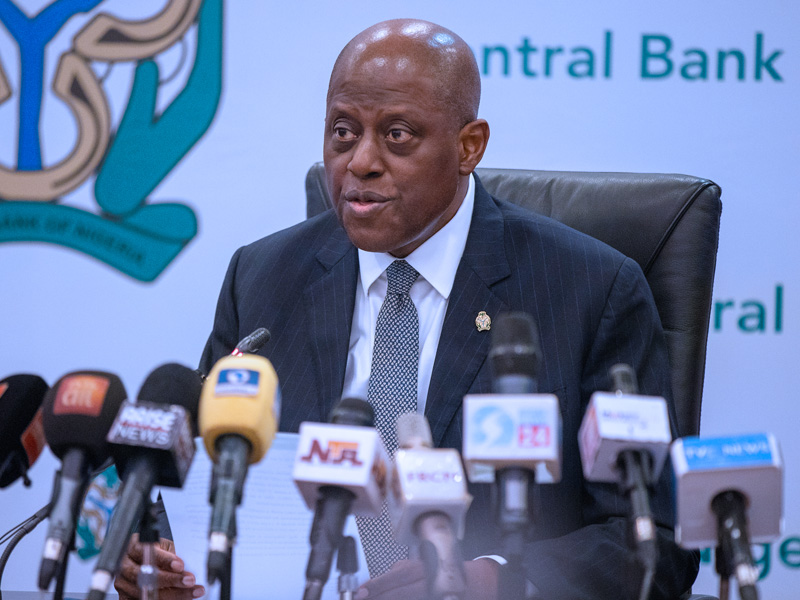
In his latest statement, Cardoso explained that the figures for net reserves indicate the positive outcomes of enhanced transparency and credibility in the management of foreign exchange, which has bolstered investor trust, attracted significant FX inflows, and improved practices in reserve management to protect capital, ensure liquidity, and promote long-term sustainability.
He noted that this enhancement signifies a considerable improvement in both the quantity and quality of Nigeria’s external buffers over the last three years.
He further elaborated: “Net reserves soared from $3.99 billion at the end of 2023 to $34.80 billion at the close of 2025, reflecting a substantial enhancement in reserve quality.”
According to Cardoso, the net reserve situation for 2025 alone surpassed the total gross reserves recorded at the end of 2023, which was $33.22 billion.
He continued to explain that net reserves rose from $23.11 billion at the close of 2024 to $34.80 billion by the end of 2025, while gross external reserves increased from $40.19 billion to $45.71 billion during this time, marking a $5.52 billion rise.
This growth showcases Nigeria’s increased capability to fulfill its external obligations, promote exchange rate stability, and strengthen overall macroeconomic resilience.
Cardoso characterized the reserve position at the end of 2025 as a strong endorsement of the Bank’s ongoing policy reforms and adjustments in the external sector.
He reaffirmed the CBN’s dedication to maintaining sufficient reserve buffers, ensuring orderly operations within the foreign exchange market, boosting trust in Nigeria’s external standing, and sustaining macroeconomic stability as required by its statutory responsibilities.
Comments (0)
You must be logged in to comment.
Be the first to comment on this article!