
Women have often found themselves in spaces where decisions are made, yet simply being present does not equate to truly belonging. To occupy a space, to voice opinions freely, shape decisions, and forge alliances without hesitation are privileges that remain elusive for many women in leadership roles. The higher a woman climbs in corporate hierarchy, the tighter the confines often become. While power can be challenging, it also tends to isolate, leading to the potential loss of meaningful dialogue and the ability to envision grand ideas among equals.
This unspoken reality has fueled the necessity for a dedicated and secure environment for women—not merely a social circle or a token gesture towards inclusion, but an infrastructure oriented towards influence. Such a space would ensure that discussions lead to tangible benefits, networks cultivate opportunities, and leadership is shared rather than performed. Given that historical structures have seldom been designed with women in mind, such environments are essential for recalibrating this imbalance.
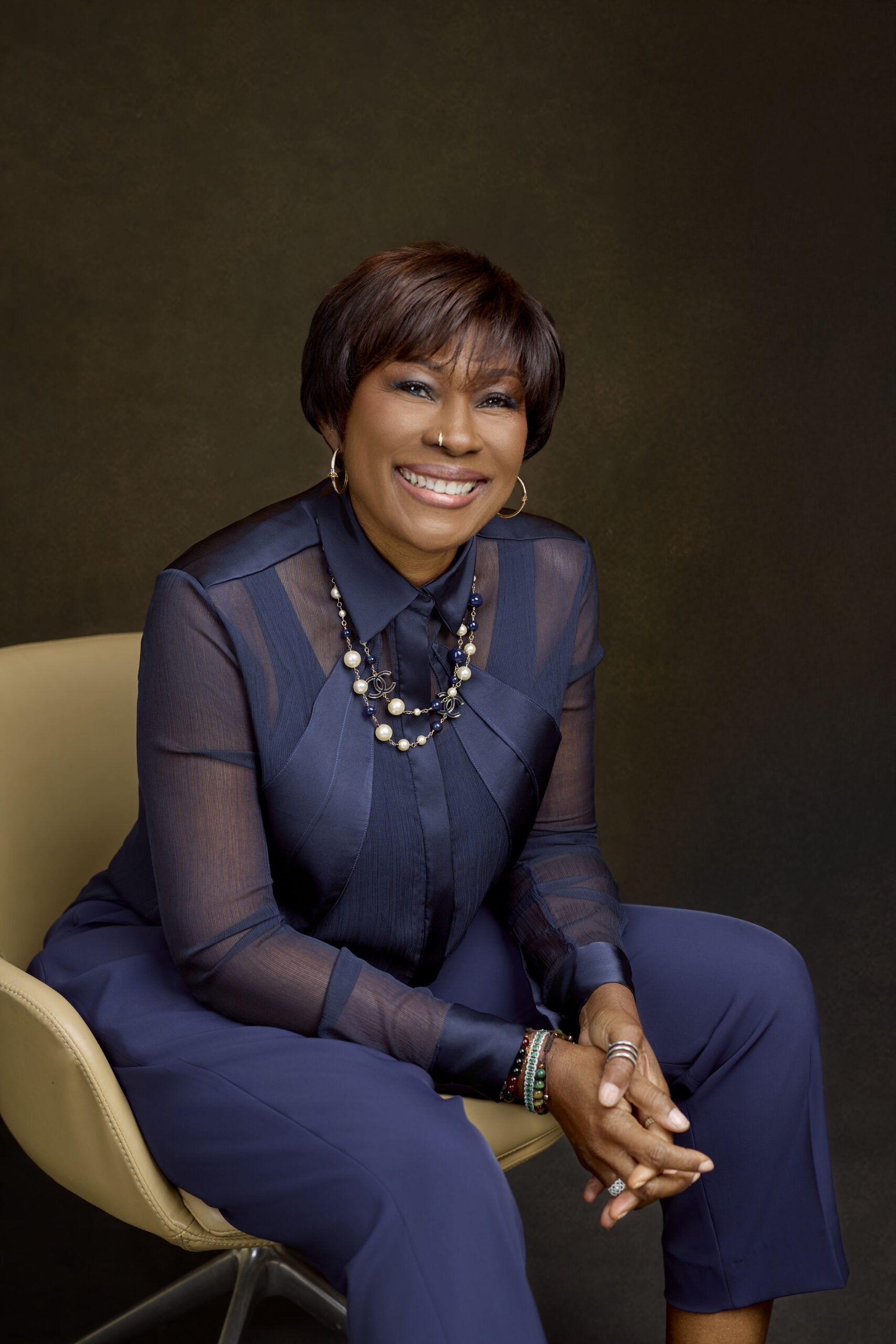
This philosophy is the foundation for GAIA Africa, established by Olatowun Candide-Johnson in 2018. Her initiative was born out of recognizing the lack of women in spaces where key financial discussions occur. GAIA Africa transcends the mere assembly of women; it focuses on empowering, equipping, and importantly, connecting them in ways that facilitate collective strength out of individual accomplishments.
Olatowun Candide-Johnson is a renowned legal expert and executive with extensive experience in corporate law, governance, and strategic business initiatives spanning the legal, shipping, logistics, and oil and gas sectors. Her impressive career features prominent leadership roles at TotalEnergies, encompassing key responsibilities both in Nigeria and internationally.
Engaging in a conversation, she reflects:
"I’m doing well, thank you for asking. How are you?"
When questioned about the catalyst for establishing GAIA Africa, she explains:
"There wasn’t just one moment, but a progression of insights. Before GAIA, I was engrossed in creating a private members' club aimed at promoting the arts. This involved crafting a platform where artists, both new and well- established, could showcase their work to a supportive and appreciative audience.
During fundraising efforts, I noticed that the strategy relied heavily on soliciting high-net-worth individuals for investments. To my dismay, I found that not a single woman was represented on the investor lists, which starkly contrasted the many competent women I knew who were capable of contributing to this landscape. This realization struck me in 2017 and highlighted that while women were connecting socially and professionally, they were not doing so with the explicit aim of fostering business opportunities.
This insight formed the bedrock of GAIA Africa as a space for women to converge strategically for business leadership and synergy."
Reflecting on how this vision has progressed over time, she remarks:
"Initially, it was merely a networking platform for women involved in business. However, I quickly realized that the women who benefitted most were those in leadership—founders and executives—who often find themselves operating in isolation. As a result, GAIA Africa has since oriented itself towards women in pivotal decision-making positions while remaining inclusive of those within close proximity to foster a dynamic and flourishing network."
Turning to GAIA Africa's initiatives, she shares:
"Our mission is firmly anchored in the belief that economic equity is a cornerstone for sustainable change for women. We assert that significant progress arises when women are fully engaged in business and leadership roles within the economy.
When women establish companies and expand financial capabilities, their influence permeates broader society, echoing back into stronger families and communities, leading to more equitable environments. Consequently, economic participation generates a multitude of positive outcomes. Thus, our core focus remains on economic empowerment—supporting women as leaders, builders, and decision-makers by providing programs that bolster their leadership skills, visibility, and access to crucial networks in economic spheres.
Additionally, GAIA Africa supports select social impact initiatives in alignment with advancing women’s long-term financial and social empowerment. Notably, our Gazelle program creates a breakfast series for early-career women aged 25 to 33, facilitating productive discussions about career growth and business development with members and experienced speakers."
Speaking to the significance of having a private network for Africa’s elite female executives, she highlights:
"GAIA Africa is intentionally private. This isn’t focused on public exposure but is about creating a confidential environment where women in leadership collaborate, share experiences, and support one another. At high levels of leadership, isolation is a common challenge, and few environments exist where women can meet peers who genuinely understand their unique pressures and responsibilities. Our club enables members to share insights, test ideas safely, and foster partnerships in a nurturing atmosphere."
Observing the broader implications of women controlling their power dynamics, she posits:
"Spaces where women shape and govern the mechanisms of power are still relatively uncommon. Yet, when women occupy decision-making roles—across business, governance, or public sectors—valuable new perspectives emerge. Historically, most systems have been configured through a predominantly male lens, often overlooking the needs of a significant part of the population. Hence, when women are fully integrated into leadership, policies become more inclusive, organizations reflect diverse representation, and decisions resonate more profoundly with societal realities.
It’s not about women dominating; it’s about achieving equity and parity, including economic gender equality that enables women to partake meaningfully in decisions affecting their lives, thereby enhancing communities and economies."
Lastly, discussing future aspirations for GAIA Africa, she concludes:
"In ten or twenty years, I envision GAIA Africa expanding its influence across strategic cities in Africa and possibly further. More significantly, I aim for it to grow into a continental movement advocating for women in leadership roles. The goal is to fortify networks across borders, allowing women leaders in Africa to intersect purposefully, sharing ideas and opportunities for mutual growth. I believe that GAIA Africa will contribute to dismantling barriers among women across the continent while reinforcing the principle that our commonalities far exceed our differences.
I must extend my gratitude to our supporters, engaged members, advisors, and the exceptional team committed daily to our shared vision."
Thank you for a meaningful conversation.
Comments (0)
You must be logged in to comment.
Be the first to comment on this article!