
The internal turmoil within the Peoples Democratic Party (PDP) has escalated, prompting presidential hopeful Dr. Gbenga Olawepo-Hashim to consider leaving the party. This decision comes as reconciliation attempts have faltered and concerns grow about the party's potential capture by those in power.
His Media office released a statement indicating that what began as a leadership disagreement has now developed into a significant structural issue. The statement highlighted that persistent factions and conflicting interests are making the PDP increasingly ineffective as a national opposition platform.
Furthermore, the office expressed alarm over emerging signals suggesting that certain factions within the PDP might be collaborating with President Bola Ahmed Tinubu's administration. This development fuels apprehension that the party is being systematically undermined from within, according to the statement.
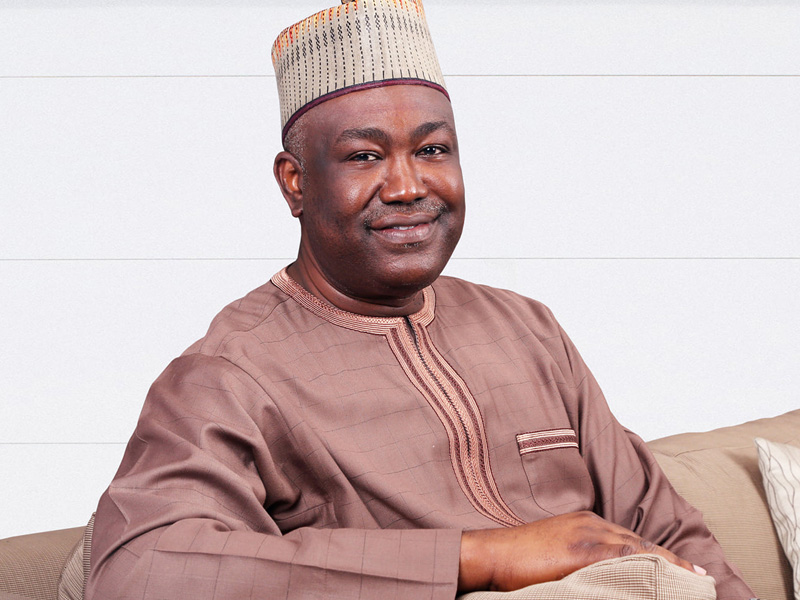
Olawepo-Hashim observed that these circumstances have led many to speculate that the PDP risks losing its status as a distinct opposition force. Some commentators have even warned of a potential shift towards tacit endorsement of the current government leading up to the 2027 elections.
For Dr. Hashim, the situation presents a clear dilemma. Remaining within a fragmented and potentially compromised party structure could jeopardize his presidential aspirations and his long-standing dedication to a diverse political landscape.
His ongoing discussions with individuals across different political affiliations appear to be part of a strategic effort to foster or join a broader coalition. The aim is to counter the consolidation of a single-party dominant system in Nigeria.
This juncture could mark a significant turning point, not only for Olawepo- Hashim but also for the future of opposition politics in the country. If prominent figures begin to depart or withdraw from the PDP, the party might experience a swift decline in its influence. This scenario could pave the way for a new political alignment to emerge.
The implications extend beyond mere party advantage. The weakening of viable opposition structures raises serious questions about the vitality of Nigeria's democratic system. Without a robust and independent opposition, the danger of democratic backsliding becomes increasingly pronounced.
As the 2027 general elections draw nearer, the decisions made by figures such as Olawepo-Hashim will play a crucial role in shaping whether Nigeria maintains a competitive political environment or moves towards a de facto one- party state.
Comments (0)
You must be logged in to comment.
Be the first to comment on this article!