
Those suspected of participating in an alleged coup attempt against the democratic framework of Nigeria could potentially receive the death penalty or life imprisonment if convicted, in accordance with existing civil and military laws addressing treason and related crimes.
Experts in law have noted that the Armed Forces of Nigeria gains its authority to oversee disciplinary actions for military personnel through the Armed Forces Act. This act establishes the procedures for investigating, charging, and trying officers accused of coup-related crimes via court-martial method.
The Act includes serious charges like mutiny, attempts at mutiny, behaviours harmful to military discipline, treasonable acts, and aiding or failing to stop coup conspiracies, all of which carry severe penalties upon conviction.
Cases of this nature may be taken up by either a General Court-Martial or a Special Court-Martial, established as per the relevant military authority, which decides based on the severity of the crime and the rank of the officers involved.
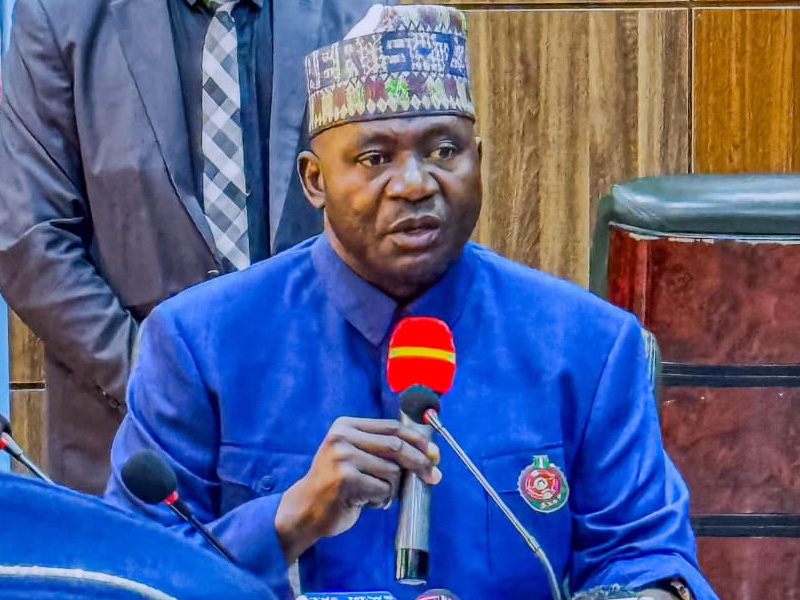
However, a significant legal distinction exists. While the military can prosecute active-service personnel under the Armed Forces Act, acts that represent outright treason or an attempt to overthrow the government—especially when civilians or retired military officers are implicated—fall under civilian jurisdiction.
According to the amended 1999 Constitution, the Federal High Court holds exclusive jurisdiction over trials for treason and treasonable felonies, which mandates that such cases must be heard in civilian courts rather than military tribunals.
In the southern part of Nigeria, the Criminal Code outlines treason as the act of waging war against the state to intimidate or overawe the President or a state governor, alongside conspiracy to do so within or outside the country. Similarly, the Penal Code in northern states describes treason as waging war against the state or attempting to forcibly remove the President or Governor.
Both legal frameworks stipulate that treason can lead to the death penalty, while attempts, conspiracy, or aid in such activities may incur life sentences or other forms of imprisonment, depending on the situation.
Despite earlier denials from the military regarding an attempted coup, a later investigative report submitted to President Bola Ahmed Tinubu allegedly confirmed that some military officers were involved in efforts deemed detrimental to Nigeria’s democratic system.
On January 26, 2026, the Director of Defence Information, Samaila Uba, revealed that investigations uncovered officers suspected of plotting to subvert the government and described their actions as inconsistent with military ethics and standards.
He stated that the investigations had concluded and were sent to the relevant higher authority, adding that individuals found culpable would face formal arraignment before the appropriate military judicial bodies.
Meanwhile, Defence Minister Christopher Musa expressed that the suspects recognized the seriousness and implications of their actions.
During a visit led by President Tinubu, Musa affirmed that the officers would be subjected to transparent court-martial proceedings allowing for legal representation and further committed to fair treatment for the suspects' families by the government.
Comments (0)
You must be logged in to comment.
Be the first to comment on this article!