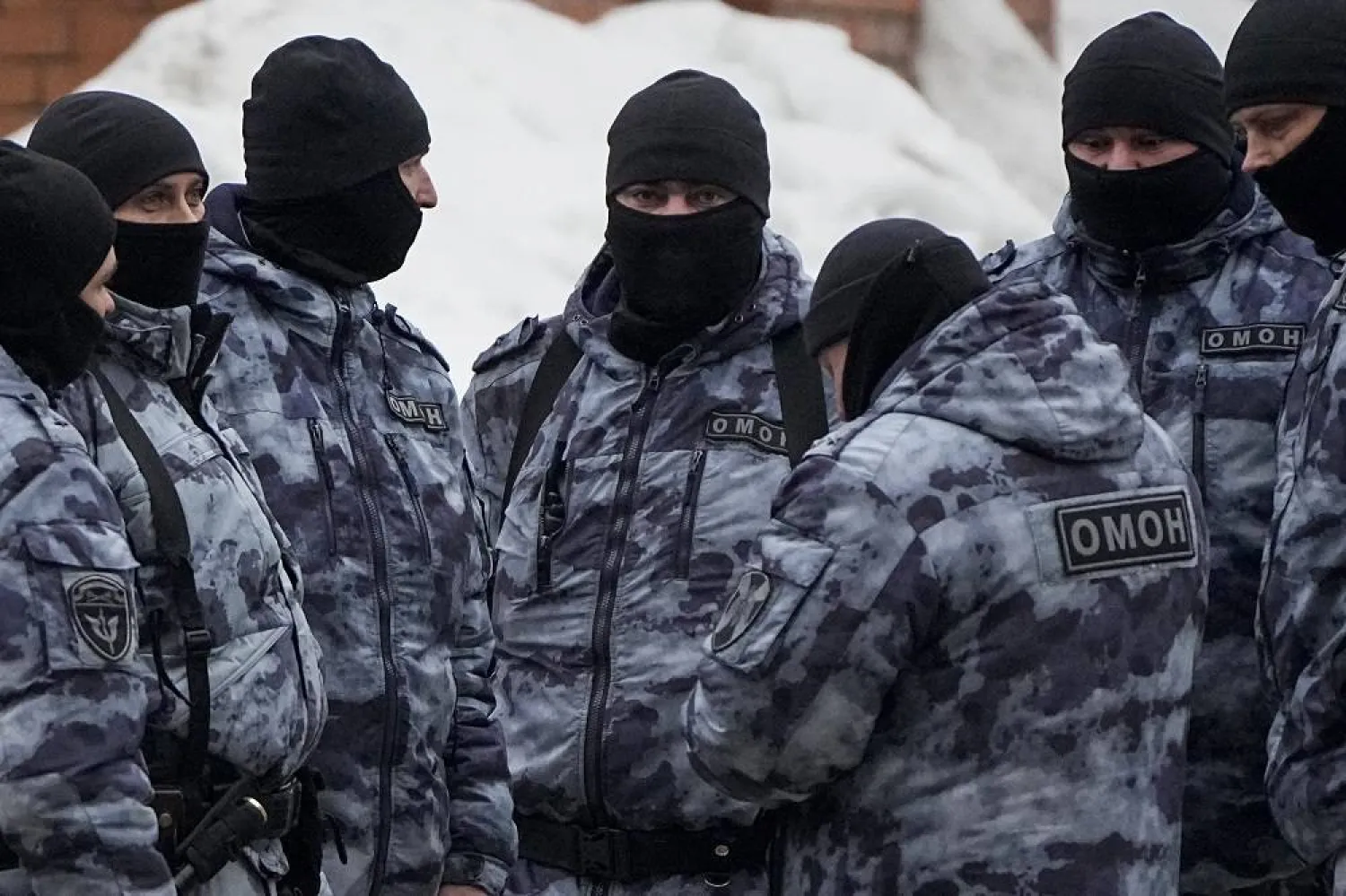
Russian security operatives apprehended a young minor suspected of orchestrating a violent mass casualty incident at a prominent Moscow museum, acting on actionable intelligence supplied by the United States government, according to an official statement from the Federal Security Service (FSB).
The FSB confirmed that critical details furnished by American law enforcement agencies enabled authorities to pinpoint and capture the Russian adolescent. In an uncommon public expression of gratitude, the security agency stated it appreciated the data provided by the American side.
What led up to the arrest?
The detention came shortly after the U.S. Embassy in Moscow released an urgent public advisory warning of an imminent security threat targeting the Tsaritsyno Museum Reserve. Although venue administrators initially claimed they received no direct notices, Russian media outlets observed that several planned gatherings were abruptly called off while security measures were heavily intensified.
Based on findings released by the FSB, the unidentified suspect came onto law enforcement's radar after uploading videos to TikTok featuring himself in tactical apparel alongside a rifle-like object. Additional pictures captured at the Tsaritsyno Museum Reserve were shared with the caption "I found a place".
How was the suspect tracked?
During subsequent investigations, officials uncovered that the teenager followed a neo-Nazi Telegram channel and conducted extensive internet research concerning historical mass shootings and extremist attacks. Law enforcement officers seized airsoft gear during a search executed at the home of the juvenile.
This exchange of security warnings operates under Washington's established duty-to-warn framework, which mandates that American intelligence agencies notify foreign governments and overseas citizens of credible dangers.
How does this cooperation compare historically?
This collaborative breakthrough diverges markedly from previous intelligence- sharing efforts between the two nations.
In March 2024, American alerts regarding potential ISIS operations directed at crowded venues in Moscow were dismissed by Vladimir Putin as foreign provocations, occurring only days prior to the deadly Crocus City Hall assault.
Conversely, Putin had previously expressed appreciation to Washington back in 2017 for intelligence details that successfully disrupted a bombing plot targeting the Kazan Cathedral in St. Petersburg.