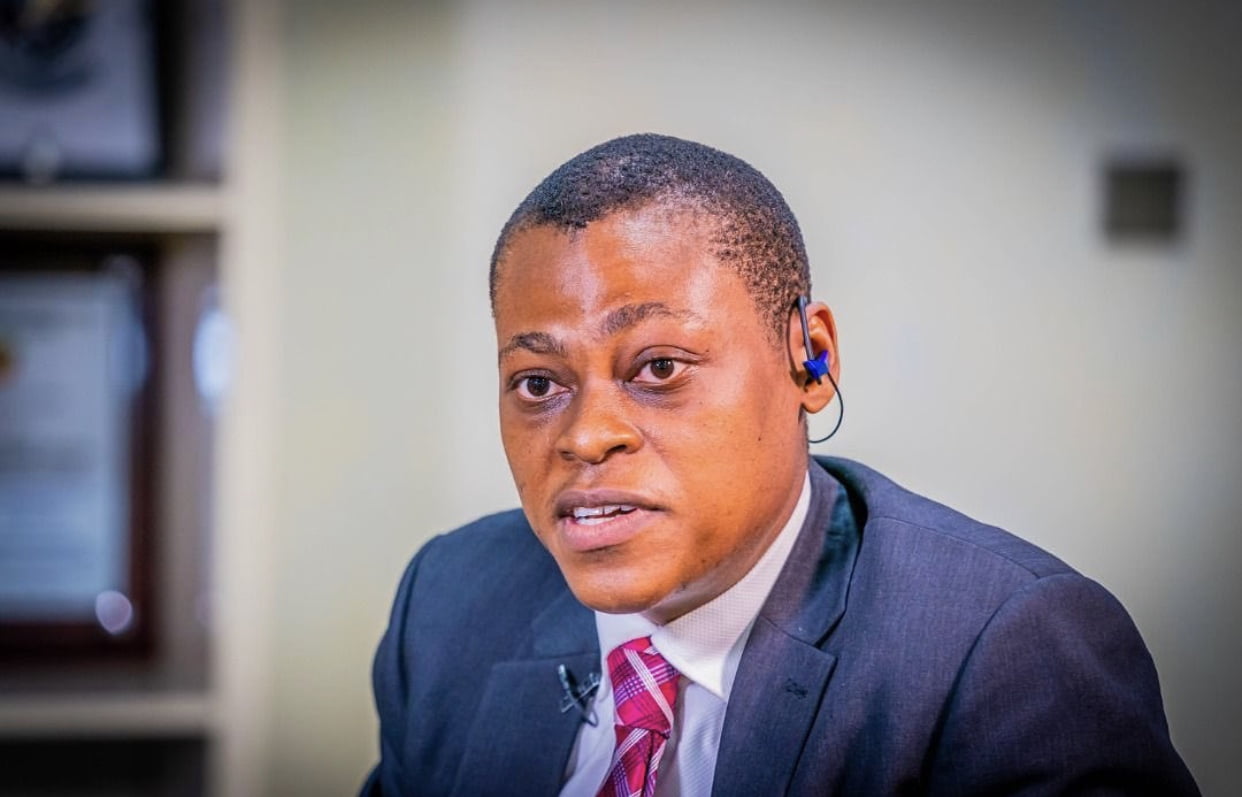
Prominent broadcast journalist Rufai Oseni has stated that legislation empowering sub-national governments to independently generate and distribute electricity across Nigeria is practically unfeasible. The Arise News anchor made these remarks during an appearance on the network's Morning Show, arguing that while the decentralization policy appears attractive on paper, states lack the capacity for proper execution.
Key facts from his commentary include his observation that the federal government still struggles to maintain 4,000 to 5,000 megawatts of electricity for over 200 million citizens after decades of management. Oseni questioned how financially constrained states could fund capital-intensive power infrastructure when many still grapple with paying workers' salaries and depend heavily on monthly allocations from the Federation Account Allocation Committee. He stated: “This law making various states own their electricity is not going to be possible. It will never work. Let's be sincere to ourselves.”
Why does the broadcaster believe state-level electricity is impractical?
Oseni emphasized that the power industry requires massive capital investments, reliable gas supplies, power stations, sturdy transmission lines, and functional distribution networks. Most state governments, he argued, do not possess these vital resources. He noted that frequent nationwide grid collapses under central administration highlight the deep-seated structural issues plaguing the country's energy sector.
What are the financial hurdles facing sub-national governments?
Pointing to fiscal realities, the journalist highlighted that numerous states continue to rely on federal disbursements through FAAC and struggle with regular salary obligations to civil servants. Consequently, expecting them to independently finance multi-billion-dollar energy projects and transmission networks remains unrealistic.
What alternative solution was proposed?
Rather than pursuing decentralized power frameworks that could potentially worsen existing difficulties, Oseni advised the central government to concentrate on resolving recurring grid failures, guaranteeing gas availability for generation companies, and stabilizing national transmission channels.