
The Deputy High Commissioner of the United Kingdom to Nigeria, Mrs. Gill Lever, stated that communities are more secure and resilient when women and marginalized groups actively participate in peacebuilding and justice initiatives.
Her comments were made during the North-west Regional Conference on Women, Peace and Security, which was organized by Global Rights in partnership with UKaid, the Isa Wali Empowerment Initiative, the Kukah Centre, and Tetra Tech International Development.
The conference, themed "Strengthening Inclusive Peacebuilding and Access to Justice in Northwest Nigeria: Evidence, Impact, and Lessons from Practice," gathered policymakers, civil society representatives, and community leaders.
Lever showcased outcomes from UK-supported initiatives, mentioning that Global Rights successfully established Community Dialogue Committees with a gender balance, achieving a 40% representation of women.
She noted the historical turbanning of women into traditional leadership roles in Sokoto State as an indication of profound change rather than mere symbolism.
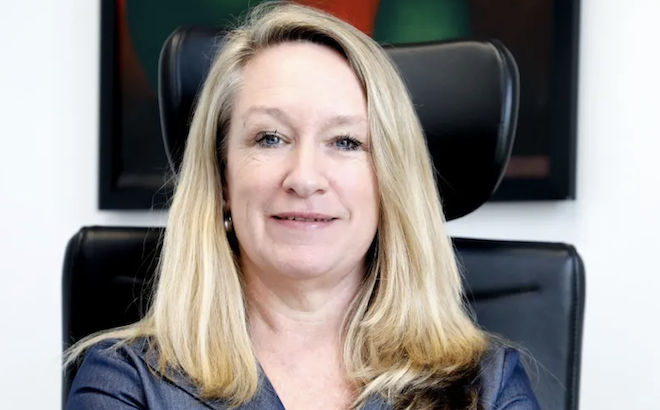
Furthermore, she highlighted improvements in survivor-centered referral channels and the expansion of programs aimed at preventing gender-based violence within schools, which have contributed to the enhanced protection and dignity of women, girls, and at-risk families.
In her remarks, Lever pointed out that Partners West Africa Nigeria has further promoted inclusive peacebuilding by fostering collaborations between police and communities and improving the Police Duty Solicitor Scheme.
She emphasized that 323 detainees, many of whom were vulnerable individuals, were released via lawful means as a part of these initiatives, illustrating how access to justice can rebuild trust and diminish rights violations.
In every project, Lever stressed the importance of inclusive, community- driven, and evidence-based practices as a formula for sustainable outcomes.
She reiterated the necessity for women, youth, and individuals with disabilities not only to benefit from peacebuilding efforts but also to play a pivotal role in shaping those initiatives.
Reaffirming the UK's commitment to gender-sensitive and community-led governance in security, she advocated for ongoing collaboration among policymakers, traditional leaders, security forces, civil organizations, faith leaders, and the media.
In a keynote address, Bishop Matthew Hassan Kukah from the Catholic Diocese of Sokoto underscored the crucial role women play in advancing peace and justice.
Kukah cited global instances such as Rosa Parks' role during the American civil rights movement and women’s involvement in post-genocide reconciliation efforts in Rwanda, illustrating how women's leadership has fostered social transformations.
Earlier, Ms. Kemi Okenyodo, the Executive Director of the Rule of Law and Empowerment Initiative, remarked that the conference not only marked the conclusion of a project cycle but also represented a renewed pledge to inclusive peace, accessible justice, and effective security systems in the North-west.
Despite the ongoing challenges posed by insecurity and inter-communal conflicts, Okenyodo pointed out evidence of resilience and strong community ownership of peacebuilding processes.
Mr. Olubunmi Aweda, Country Manager of Global Rights, provided an overview of the project, stating that the organization and its partners have made significant strides in enhancing community resilience, improving access to justice, and promoting inclusive participation across Kano, Sokoto, and Kaduna states.
Aweda emphasized that sustainable peace must be collaboratively built with communities, rather than imposed upon them.
Comments (0)
You must be logged in to comment.
Be the first to comment on this article!