
Vladyslav Heraskevych, a skeleton athlete from Ukraine, has been disqualified from participating in the Milano Cortina Olympics due to his refusal to remove a helmet that honors athletes and coaches killed amid Russia’s invasion of Ukraine.
The International Olympic Committee (IOC) announced this ruling on Thursday, following discussions held between Heraskevych and IOC President Kirsty Coventry prior to the commencement of the skeleton events.
In an official statement, the IOC expressed its desire for Heraskevych to compete, indicating that various alternatives were explored to respectfully accommodate his wish to commemorate fellow athletes who lost their lives as a result of the war. "This decision is not about the message itself, but the location where it was expressed," the committee clarified.
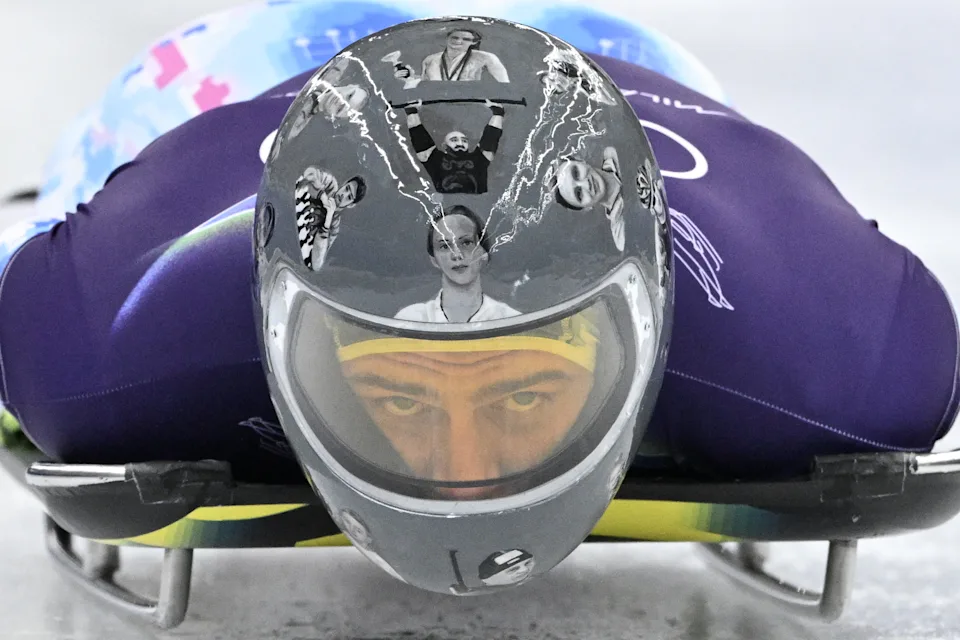
Heraskevych intends to contest the disqualification at the Court of Arbitration for Sport. Describing his sentiments outside the sliding center, he stated, "It’s hard to say or put into words. It’s emptiness."
The helmet he wears features likenesses of over 20 Ukrainian athletes and coaches who have passed away since the onset of the invasion nearly four years ago, including figure skater Dmytro Sharpar, who was his teammate during the 2016 Winter Youth Olympics.
The IOC determined that the helmet constituted a breach of its regulations prohibiting political statements during competitions. They suggested alternative ways to honor the deceased, including wearing a black armband or ribbon. However, Heraskevych declined these alternatives, maintaining that his helmet does not convey a political message.
In a social media post following the IOC’s decision, he remarked, "This is the price of our dignity."
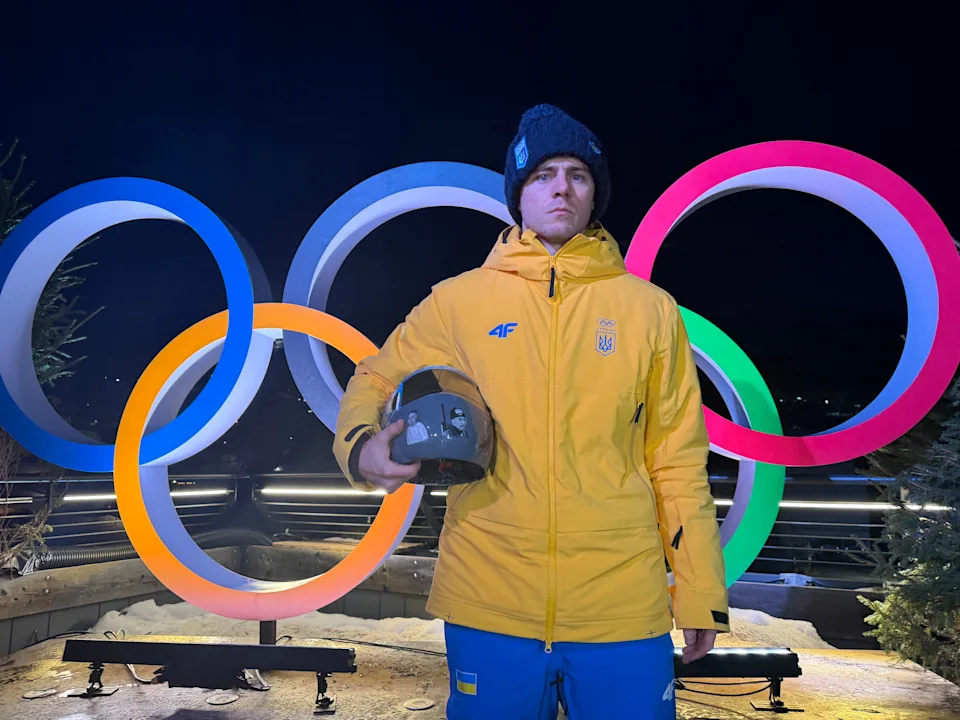
Heraskevych had anticipated this ruling and had expressed the night before that, for him, the homage of the individuals depicted on the helmet holds greater value than any medal could, as they sacrificed their most precious asset, their lives.
This incident is not the first instance of Heraskevych using the Olympic platform to condemn Russia's actions; during the 2022 Beijing Games, he famously displayed a sign that read "No war in Ukraine" following his final run, just two weeks before Russia escalated its military efforts in Ukraine.
Heraskevych’s situation has garnered widespread global attention, underscoring the conflict between individual expression and the regulatory framework of the IOC during the Olympic Games.
Comments (0)
You must be logged in to comment.
Be the first to comment on this article!