
The United Nations is on the verge of a significant financial crisis as its member states neglect to settle their obligatory contributions, according to a warning issued by UN Secretary-General António Guterres. He cautioned that the organization might exhaust its financial resources as early as July.
In a direct message to all 193 member states, Guterres emphasized that the UN is experiencing a worsening financial dilemma that jeopardizes vital global programs. He remarked that the current situation differs fundamentally from previous funding challenges, as numerous countries have now formally declared their intent not to fulfill their assessed contributions that are crucial for the UN’s standard budget.
The Secretary-General noted that only 77 percent of the entire assessed dues were paid in 2025, resulting in an unprecedented level of outstanding payments. This deficit is further aggravated by an existing financial policy obligating the UN to return unutilized funds for programs that it cannot execute, even for money that was never actually received.
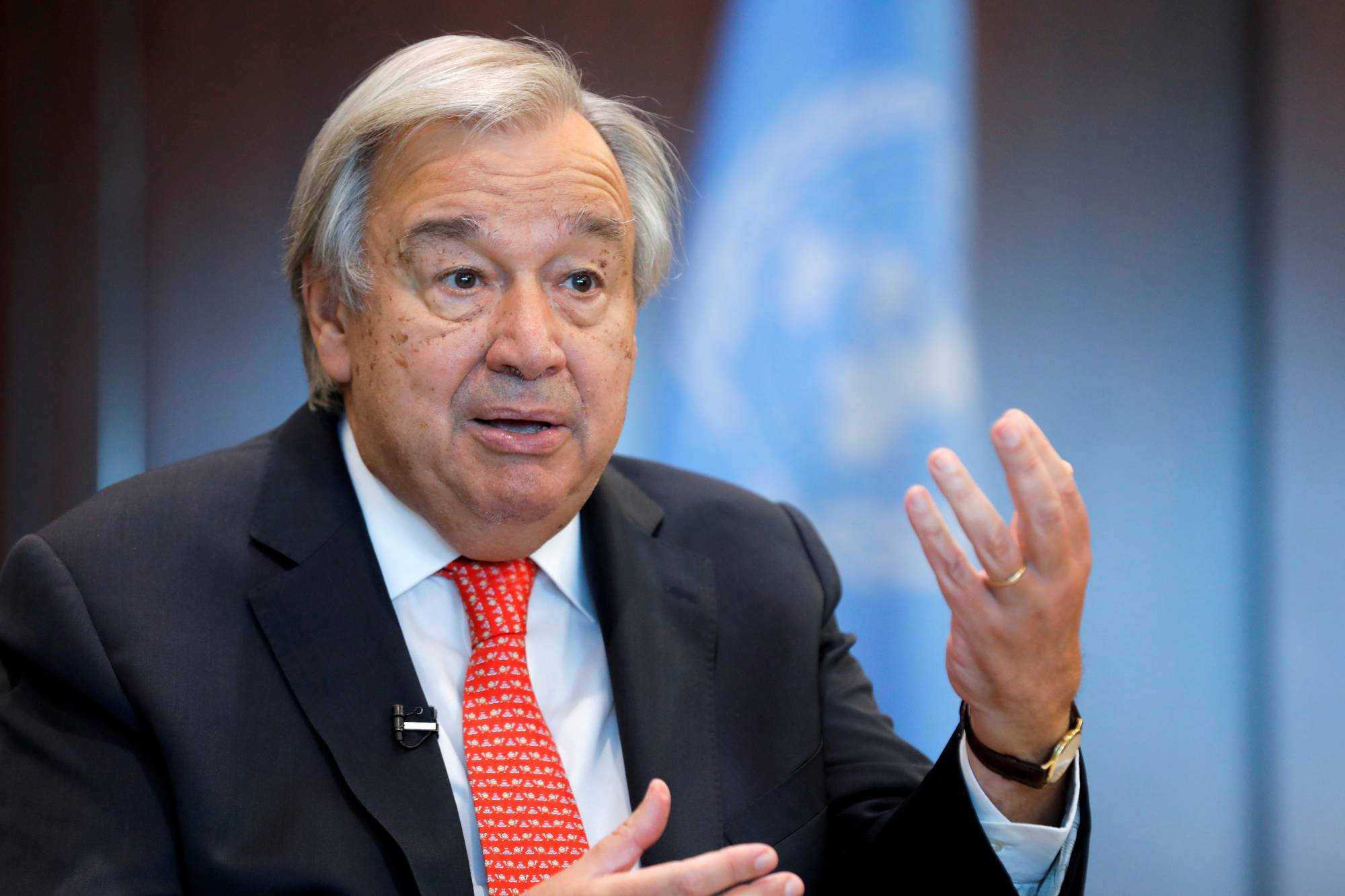
“I cannot stress enough the immediacy of the crisis we confront,” Guterres asserted. “We cannot manage budgets with uncollected payments, nor return resources we never obtained.”
He also revealed that the UN had to reimburse $227 million this month as part of the 2026 assessment procedure, despite not having received those funds. The secretary-general warned that unless member states pay their dues fully and punctually or agree to a significant reform of the UN's financial regulations, the UN risks an imminent financial downfall.
The situation has been worsened by the United States, which is the largest contributor to the UN. Washington did not contribute to the UN’s regular budget in 2025 and only fulfilled 30 percent of its anticipated funding for peacekeeping efforts. Earlier in January, President Donald Trump had pulled the US out of multiple international organizations, including 31 UN agencies, labeling them as unworthy expenditures of taxpayer funds and accusing them of promoting “globalist agendas.”
Despite the US committing $2 billion toward UN humanitarian initiatives in late December, this amount marks a dramatic decrease from the $17 billion disbursed in 2022. Trump has also criticized the UN for not realizing its “great potential” and hinted at the possibility of substituting some of its roles with alternative frameworks under US management.
Other key donors like the United Kingdom and Germany announced reductions in their foreign aid, further tightening the UN's financial landscape.
The repercussions of this crisis are already evident throughout the organization. At UN offices in Geneva, austerity measures include stopping escalators and lowering heating levels. Various agencies have indicated serious operational impacts: the UN human rights office can no longer deploy investigators to record serious abuses; UN Women has ceased operations at mother-and-baby clinics in Afghanistan; and the World Food Programme has cut food rations for refugees escaping the conflict in Sudan.
In recent months, Guterres has repeatedly warned about the dire situation, characterizing it as a “race to bankruptcy.” As humanitarian demands rise worldwide while funding dwindles, he stated that the integrity and future of the entire UN system now hinge on the willingness of member states to meet their financial commitments.
Comments (0)
You must be logged in to comment.
Be the first to comment on this article!