
The World Health Organization (WHO) has issued a strong appeal to governments worldwide, advocating for substantial increases in the taxation of both sugary beverages and alcoholic products. The organization highlights that these items are currently too affordable and readily available, contributing significantly to escalating health crises.
According to the WHO, the easy accessibility of sugary drinks and alcohol is a major factor contributing to the rise in obesity, diabetes, cancer, and injuries, placing immense pressure on already overburdened healthcare services.
"Health taxes have proven effective in reducing the consumption of these detrimental products," stated Dr. Tedros Ghebreyesus, Director-General of the WHO. He further noted that these taxes also generate essential revenue that governments can allocate towards improvements in healthcare, education, and social welfare programs.
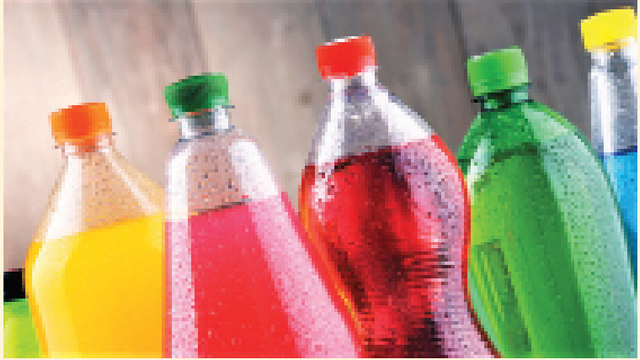
The WHO reported that while 116 countries presently impose taxes on sugary drinks, a considerable number of high-sugar items, including 100% fruit juices, sweetened milk beverages, and ready-to-drink coffee and tea products, remain exempt from these levies.
Regarding alcoholic beverages, the organization indicated that 167 countries tax beer, wine, and spirits. However, it was observed that alcohol has become more financially accessible in numerous regions because taxes have not been updated to account for inflation or increased incomes since 2022.
The WHO cautioned that consistent consumption of sugary drinks heightens the risk of developing obesity, Type 2 diabetes, heart disease, dental issues, and osteoporosis. Conversely, alcohol consumption is associated with adverse mental health outcomes, risks to maternal and child health, the prevalence of both communicable and non-communicable diseases, and an increased likelihood of sustaining injuries.
To support its position, the WHO referenced the impact of the UK's sugar tax, introduced in 2018. This policy successfully led to a reduction in sugar intake, generated approximately £338 million in revenue by 2024, and contributed to a decrease in obesity rates among young females, particularly in less affluent communities.
The WHO is now strongly encouraging governments to enhance and restructure their tax policies on tobacco, alcohol, and sugary drinks as a critical component of a wider strategy to protect public health and mitigate preventable fatalities.
Comments (0)
You must be logged in to comment.
Be the first to comment on this article!