
The escalating conflict between the United States and Israel involving Iran has caused significant disruptions in global energy markets. In response, Leo Stan Ekeh, the Chairman of Zinox Group, has emphasized the urgent necessity for Nigeria to strengthen its technology sector's capacity. He believes this will protect Nigeria from the ripple effects of such global events.
Ekeh stated on Wednesday that the recent intensification of the US-Israel conflict with Iran serves as a stark reminder of Nigeria's economic vulnerability. He observed that despite being a major crude oil exporter and having Africa's largest privately-owned refinery now operational, Nigeria experienced a surge in oil prices exceeding $100 per barrel, leading to a 35 per cent increase in fuel costs locally. This highlights how the nation remains susceptible to global energy shocks originating far away.
He further noted that Nigeria's economic vulnerability extends beyond energy, impacting the technology sector and other industries heavily dependent on imports.
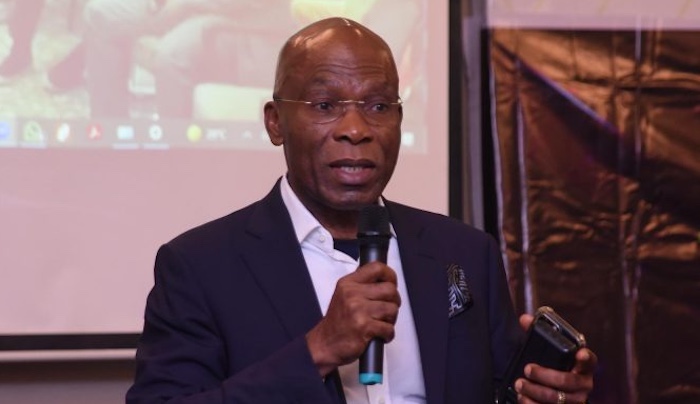
"Nigeria’s technology sector offers a particularly instructive case study in the costs of import reliance, and the transformative potential of local capacity as the pathway to economic stability and technological sovereignty," Ekeh explained. He presented Zinox Technologies as a model of what can be achieved when vision, investment, and a commitment to local capacity come together, positioning it as an indigenous computer manufacturer that could redefine the narrative.
Consequently, Ekeh called for increased support for local companies like Zinox Technologies. He advocates for a focus on the local assembly and manufacturing of computer hardware and digital devices. Such support, he argued, would not only decrease dependence on foreign imports but also foster job creation, facilitate knowledge transfer, and enhance the nation's overall technological capabilities.
"The implications are significant. Every locally assembled device represents a step away from foreign exchange exposure. It also signals a shift in mindset — from consumption to production," Ekeh stated. He stressed that with the rising demand for technology in Nigeria, driven by accelerating digital adoption, the importance of local manufacturing cannot be overstated.
He added that technology now holds strategic value beyond commerce, serving as a tool for defense and a national asset. Countries that manage their technology supply chains are better positioned for innovation, data security, and global competitiveness.
Ekeh also pointed out that developing local capacity has a widespread positive effect, stimulating related industries such as logistics, retail, maintenance, and technical services. It also encourages entrepreneurship by providing more Nigerians with access to affordable and reliable technology tools essential for participating in the digital economy.
"The current global crisis offers clarity. If the Strait of Hormuz is not reopened or supply chains to imports are fractured, only countries with strong domestic manufacturing capacity will weather the storm," Ekeh commented. He concluded that nations reliant on imports suffer the most, emphasizing that with the right vision and execution, Nigeria can forge a path toward self- reliance, innovation, and sustainable growth. He asserted that in an increasingly complex global environment, the future belongs to economies that prioritize building over merely buying.
Comments (0)
You must be logged in to comment.
Be the first to comment on this article!