
Abiodun Ajiboye, the Executive Secretary of the National Institute of Cultural Orientation, has stated that Nigeria cannot implement electronic voting due to insufficient infrastructure.
Ajiboye expressed his views during an interview on ARISE NEWS earlier this week.
He explained, "The method of transmitting election results electronically hinges on the voting process. If voting is conducted manually, how can results be transmitted electronically in real-time? It is simply unfeasible. We cannot afford it financially; even if we wanted to, the resources are not available."
In support of his assertion, Ajiboye posed critical questions, including:
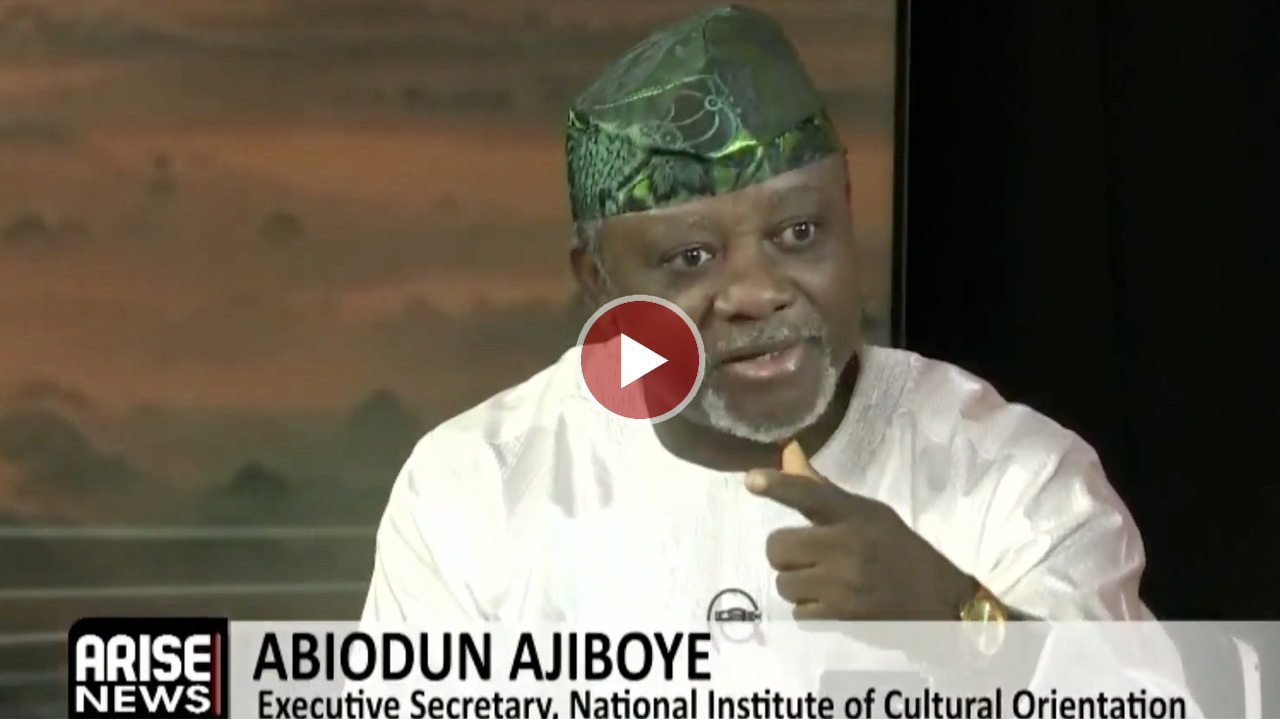
"Do telecom operators possess the necessary capabilities? Is there reliable electricity to support this operation across Nigeria? Are the infrastructures of telecom firms adequate to handle such a task? During the previous election, the INEC server faced over a million cyberattacks. Therefore, the suggestion to digitize the electoral process only exposes it to potential threats, leading to chaos. This is what I perceive as the push towards electronic voting."
He further elaborated, "Elections comprise manual components. As has been the practice, votes are cast and counted on-site, with party representatives signing the tally sheets. These records can then be scanned and transmitted as needed."
Stressing that Nigeria lacks the ability for electronic voting, Ajiboye remarked:
"A person can only perform tasks within their capacity. At this moment, we do not have the capability for electronic voting or real-time transmission of results. Even in America, real-time transmission is not standard practice. Many rural areas in Nigeria lack adequate telecommunications and electricity. Promoting an unattainable system risks disenfranchising many citizens. We must refrain from rushing the Senate and National Assembly into adopting a solution that is complex and potentially chaotic."
Ajiboye also touched on the functions of the National Institute of Cultural Orientation, emphasizing its unique role and the importance of cultural identity.
"The National Institute of Cultural Orientation is dedicated to educating the public about their cultural heritage. A person without a cultural identity is essentially without a future. Similarly, a nation lacking cultural identity is at a significant disadvantage. The rationale behind establishing the Institute was the recognition that an individual must first understand their culture, which fosters cultural pride."
He remarked that more than four agencies may be necessary to fulfill this mission, noting that many youths in Nigeria do not have a strong comprehension of their heritage. "To become responsible citizens, individuals must first understand their cultural roots before they can be effective members of their country."
Ajiboye outlined some initiatives implemented by the Institute to foster cultural awareness, stating:
"We organize public lectures and various cultural orientation courses; we also operate an institute and are in the process of establishing the Nigerian Academy for Cultural Studies in Ogbomoso."
Finally, discussing the Federal Government's intention to consolidate overlapping agencies, Ajiboye commented:
"There is a committee in the National Assembly overseeing this matter. We have participated in numerous meetings where agencies must provide rationale for their continued existence, and this effort is progressing well. Until this review is fully complete, it would be premature to engage in discussions regarding possible mergers. I have confidence in President Bola Ahmed Tinubu's commitment to fostering a better nation."
Comments (0)
You must be logged in to comment.
Be the first to comment on this article!