
Economist Samuel Ayininuola has cautioned that Nigeria's susceptibility to increasing global oil prices is largely due to deficiencies in its downstream petroleum sector and inadequate economic strategies.
In an interview on ARISE News held on Tuesday, Ayininuola noted that Nigeria's reliance on foreign petroleum mechanisms has rendered it especially vulnerable to international market fluctuations, despite being a major oil producer.
He pointed out that the steep rise in fuel prices nationwide is indicative of deeper structural issues within the sector. "We have become so vulnerable to these international shocks because of the downstream section. We have not carried out proper structural development," he explained.
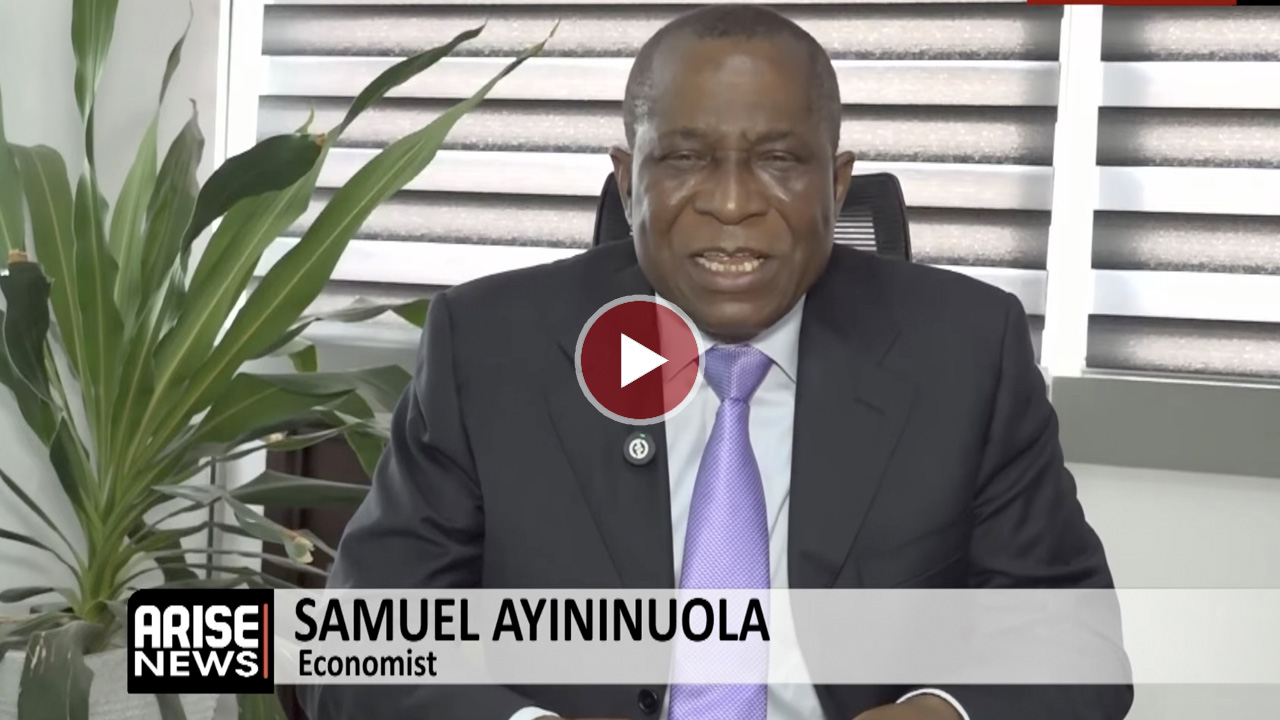
During the discussion, Ayininuola remarked that Nigeria ranks among the nations experiencing the most significant hikes in petrol prices globally, stating, "the rate of increase of our petrol prices, 40% increase, is the second highest in the whole world."
To alleviate the situation, he called upon the federal government to lessen the various taxes levied on refiners, which he believes significantly contributes to elevated fuel expenses. "For now, I think it’s time to take down some of those taxes so that the prices become more reasonable and more affordable," he asserted.
Ayininuola also pointed out the absence of a strategic petroleum reserve as a critical shortcoming in Nigeria's strategy for responding to shortages. He stated, "If we had a strategic petroleum reserve… government would have released [it] at a time like this," which could help ease the burden on consumers.
Addressing proposals for direct financial aid to citizens, Ayininuola expressed apprehensions about the practicalities, especially concerning transparency and accountability in the execution of such measures. He questioned, "How do we implement it in such a way that the money will get into the correct hands?"
He further criticized Nigeria's tendency to react to economic crises rather than proactively addressing them, noting that indicators of the current situation were apparent beforehand. "We saw this crisis developing… and we should have put some steps in place," he stated.
However, Ayininuola reassured the public, remarking that the situation is not expected to be prolonged. "This situation is not going to last long," he said, while also acknowledging the potential for lasting impacts.
In conclusion, Ayininuola suggested that this crisis could serve as a pivotal moment for Nigeria to rethink its petroleum policies and diversify energy sources. He emphasized, "We must learn that lesson from this" to enhance future preparedness against global oil market shocks.
Comments (0)
You must be logged in to comment.
Be the first to comment on this article!