
In February 1976, Bauchi State was established by the late Maj. Gen. Murtala Mohammed, leading to significant economic growth, prosperity, and increased civic engagement. As we celebrate the state's 50 years, it is crucial to highlight the influential individuals who have contributed immensely to its resilience.
This reflection comes during the 50th anniversary of Bauchi State, a moment to ponder its progress. The state's current status is attributed not only to government initiatives but also to self-made individuals, state actors, and business leaders who have positively impacted the lives of the people in this tourism-rich region.
In a state historically marked by strong personalities and visible leadership, a new wave of engagement is emerging: one characterized by presence, empathy, and dedicated service. In this light, Bala Maijama’a Wunti’s influence has evolved from mere recognition to genuine community engagement. His name is now associated with grassroots efforts that resonate with the people, driven by empathy and authentic involvement.
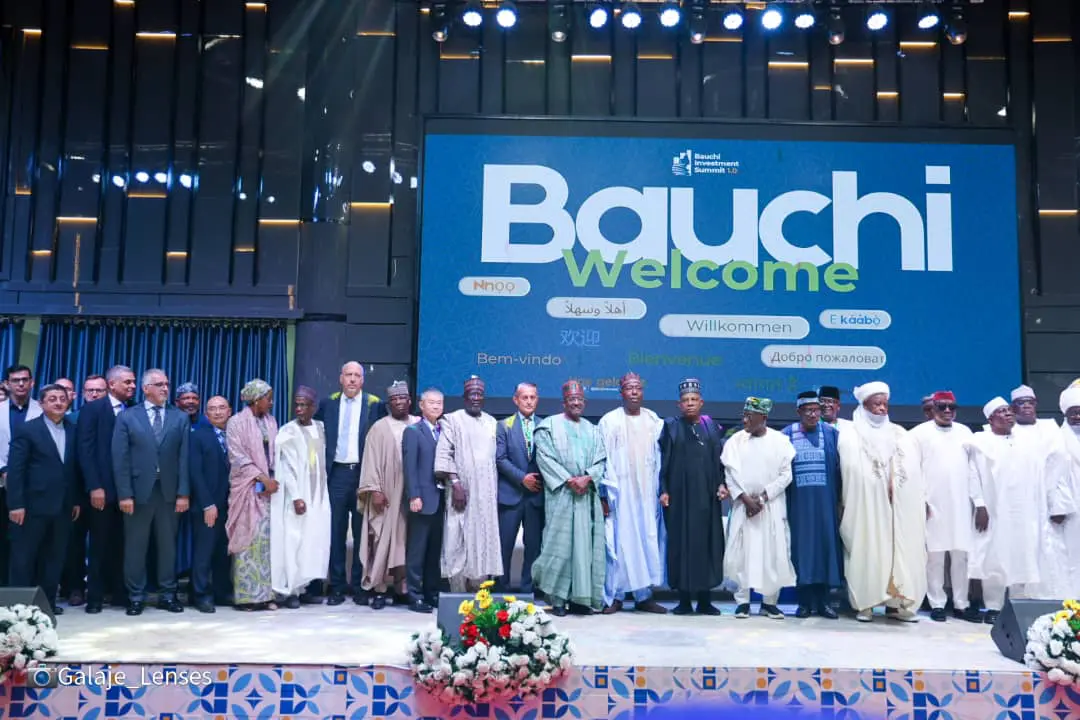
Bauchi has a history of producing notable figures. Over the last fifty years, the state has birthed many intellectuals, accomplished technocrats, and influential political figures who have shaped its narrative. Their contributions are integral to Bauchi's history, deserving of recognition. However, influence does not guarantee emotional legitimacy. The difference between mere recognition and impactful engagement derives not from mere status but from genuine interaction. Recently, as economic challenges heightened and social support systems weakened, the populace began to note those who engage without ostentation or coercion.
Bala Wunti’s approach to community engagement has sparked genuine appreciation among the populace, emerging not as a political endeavor or campaign tactic, but as a sustainable commitment to human connection. His work through the Wunti Alkhair Foundation and various community direct interventions, marked by low-key approaches, has focused on essential needs like healthcare access, educational support, and empowerment initiatives, viewing these actions not as charity but as a communal obligation.
The essence of Wunti's contributions lies not in their volume but in their sincerity. They are devoid of conditions and do not require allegiance. This distinction resonates strongly in a political milieu where aid is frequently politicized. In the markets and mosques, discussions revolve around someone who genuinely listens and remains accessible long after the media has turned away.
Additionally, Wunti's engagement with the people reflects familiarity without condescension. He shows respect to elders, interacts with youth on equal footing, and empowers women without belittling them. This approach is vital in a state like Bauchi, where authenticity is highly valued. As Bauchi turns fifty, the populace is becoming more discerning, prioritizing substance over mere performance.
It is essential to acknowledge that this moment does not erase the contributions of those before; rather, it highlights a particular figure connecting with the emotional climate of the people, embraced not for seeking attention but for being ready to serve. The growing interest in Bala Wunti signifies not personal aspirations but a collective exploration of leadership grounded in empathy and genuine action.
In Nigeria, there is a rising skepticism of grand promises and superficial leadership. This sentiment in Bauchi, where societal ties are resilient and challenges are shared, illustrates that humanitarian efforts possess political implications, even when not apparent. Such initiatives convey values and priorities, hinting at how authority could be exercised differently.
Consequently, the dialogue surrounding Bala Wunti is evolving into a contemplation of leadership steeped in empathy, exploring how governance can be rooted in listening to the people. As Bauchi celebrates its fifty-year milestone and evaluates its past while considering its future, the rising attention on Bala Wunti reflects a yearning for a leadership that prioritizes understanding over power.
When kindness becomes habitual, it evolves from mere altruism to intrinsic character. When such character aligns with the needs of the public, society takes note, as Bauchi is now demonstrating—not through persuasion but through acknowledgment of an authentic connection that has long been yearned for.
Comments (0)
You must be logged in to comment.
Be the first to comment on this article!