
The National President of the Iron Rod and Steel Dealers Employers Union of Nigeria, Chief Gbenga Awoyale, has accused the Standards Organisation of Nigeria (SON) of sabotaging efforts to regulate the industry. He stated that inadequate regulatory enforcement is enabling the proliferation of substandard iron rods throughout Nigeria.
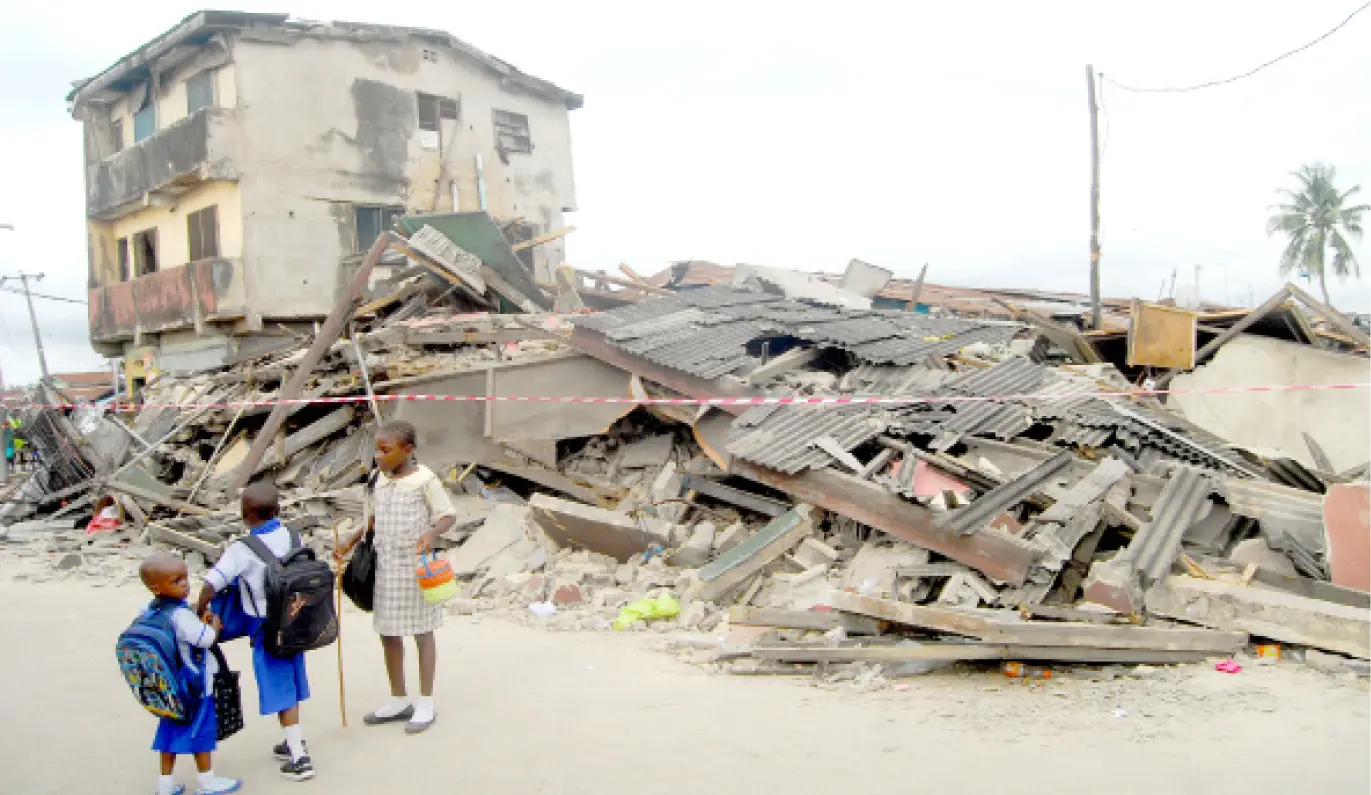
Awoyale made this assertion in response to the recent collapse of a three- storey building in Rivers State, where numerous individuals sustained injuries.
He explained that this incident, akin to numerous others nationwide, is closely associated with the ongoing use of inferior construction materials.
“These building collapses are not random occurrences. They result from insufficient oversight, intentional compromise, and systemic regulatory failures,” he elaborated.
The union president pointed out that members of the National Assembly have repeatedly acknowledged the threats posed by subpar iron rods. He cited specific lawmakers, including Hon. Zainab Gimba, Hon. Billy Osawaru, and Hon. Yinka Aluko, who have publicly raised concerns about this issue, emphasizing its risks to lives and national infrastructure.
Awoyale further indicated that efforts by the legislature to summon pertinent regulatory bodies, particularly SON, to address this challenge have allegedly met with resistance and non-compliance.
“It is alarming that such agencies can disregard legislative summons without facing any repercussions. This only encourages regulatory impunity and weakens oversight mechanisms,” he criticized.
He specifically highlighted that regulatory enforcement within SON appears compromised, particularly in Lagos State, Nigeria's primary industrial centre.
“There have been instances where officials inform manufacturers ahead of inspections. Consequently, factories might temporarily cease operations or conceal non-compliant production, creating an illusion of compliance,” he noted.
This tactic allows offending manufacturers to avoid penalties while continuing to produce potentially hazardous products.
Awoyale accused certain manufacturers of intentionally fabricating substandard iron rods for the Nigerian market while shipping compliant products to neighboring West African nations.
“The harsh reality is that many of these manufacturers possess the capability to meet standards but opt to supply Nigerians with inferior products while exporting superior ones,” he asserted.
He expressed concern that the unchecked combination of compromised regulations and inadequate legislative enforcement has fostered an environment in which dangerous products can flourish without accountability.
Awoyale urged the National Assembly to take decisive legislative action by asserting its oversight authority and enhancing regulations aimed at banning the production and sale of substandard products.
Additionally, he called for the immediate dismissal of the head of SON in Lagos State to facilitate an impartial and thorough investigation into the claims of sabotage and mismanagement.
“The head of SON in Lagos must be relieved of his duties to permit an independent and transparent inquiry into these serious allegations,” he concluded.
Awoyale emphasized that Nigerians should not have to live, work, or worship in structures where safety is compromised for the sake of corruption.
“Nigerian lives should be prioritized. A nation cannot claim to be advancing while its buildings continue to collapse due to deliberate erosion of standards,” he stressed.
Comments (0)
You must be logged in to comment.
Be the first to comment on this article!