
Sylvester Ojenagbon
Several months ago, I came across the heart-wrenching story of a middle-aged woman who was a devoted mother of four, known for her infectious laughter. Sadly, she disregarded a persistent, dull pain in her pelvic area and occasional spotting, convincing herself it was either an early sign of menopause or the effects of her demanding small business in the bustling city. By the time she sought medical help, she was diagnosed with cervical cancer.
Her experience is not singular, but it is deeply tragic. Unlike many health hazards, cervical cancer is a condition we know how to prevent. It thrives in silence, often linked to the tendency of women to prioritize family needs over their health.
Cervical cancer arises from abnormal cell growth that begins in the cervix, the lower segment of the uterus that connects to the vagina. This disease does not manifest overnight; it is a slow-moving invader that can take years, sometimes over a decade, to evolve from minor cellular changes to a life- threatening condition.
Globally, cervical cancer is one of the most prevalent cancers among women, with hundreds of thousands of new cases diagnosed annually. However, while wealthier countries have significantly reduced these figures through comprehensive screening programs and heightened awareness, the situation remains dire in developing areas where access to preventive care is not viewed as a fundamental right.
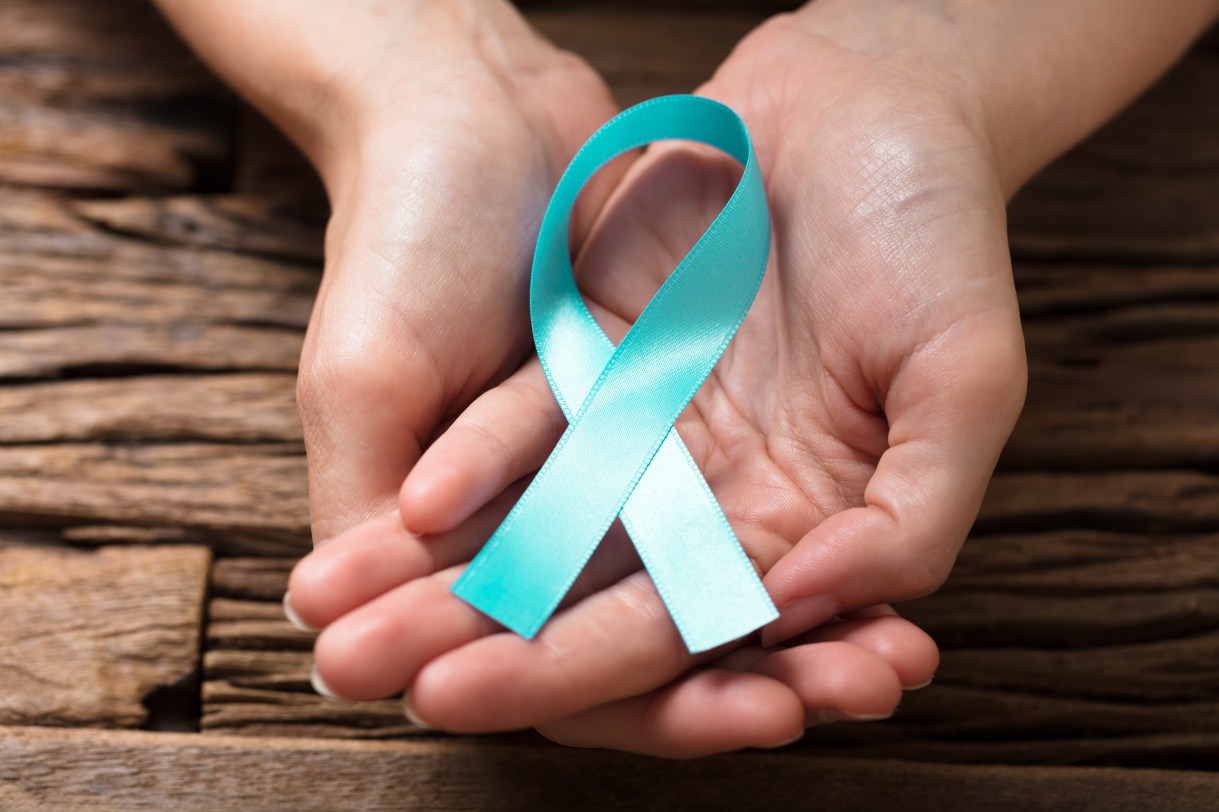
In Nigeria, these figures translate into lost mothers, sisters, and daughters, with thousands of women succumbing to this illness every year, making it the second most frequently diagnosed cancer among women in the nation. This situation is especially heartbreaking, given that the cause is well- established by modern medical science.
The reality is that most cervical cancer cases stem from persistent infection with high-risk types of the human papillomavirus (HPV). This common virus spreads through skin-to-skin contact during sexual activity. While many individuals clear the virus naturally and may remain unaware of any infection, for others, HPV can linger, gradually altering the DNA of cervical cells until they become cancerous.
It's vital to clarify a prevalent misconception: although HPV is the primary cause of cervical cancer, it is not the only risk factor. There have been rare instances of young women who have never engaged in sexual activity developing cervical cancer, often due to non-HPV related anomalies or uncommon forms of adenocarcinoma. Thus, no woman should discount her health based solely on her sexual history. Any enduring abnormalities in pelvic health warrant a consultation with a healthcare professional.
In its early stages, cervical cancer can be entirely asymptomatic, offering no physical signs such as lumps or fevers to indicate that something is amiss. As the disease develops, various indicators may arise that should never be overlooked. These can include abnormal bleeding between periods, bleeding following sexual intercourse, or discharge with unusual color or odor. Additionally, persistent back pain or swelling in the legs can occur as the tumor grows and presses against surrounding organs and nerves.
The greatest risk associated with this cancer is its tendency to be diagnosed too late. Once it spreads beyond the cervix to the lungs, liver, or bones, recovery becomes significantly more challenging, with treatment options becoming increasingly invasive and uncertain.
The impact on our communities when a woman succumbs to cervical cancer is substantial; businesses lose their founders, economies miss out on vital contributors, and families are deprived of primary caregivers. Losing a mother can adversely affect the health and education of her children, creating a cycle of disadvantage that can last for generations. This issue extends beyond mere medical concerns; it encompasses social and economic dimensions that compel us to reevaluate how we approach health. We simply cannot afford to lose the cornerstone of our society to a disease that is fully preventable through straightforward measures and early detection strategies.
Fortunately, prevention is the most potent defense against cervical cancer. The HPV vaccine is a groundbreaking advance that can avert the initial infection, working best when administered to girls before they encounter the virus. For those who are older, regular screenings through pap smears or HPV DNA tests are essential; these procedures can identify precancerous changes before they progress to cancer, enabling doctors to remove problematic cells in a straightforward procedure that saves lives before the battle truly begins. This is a test aimed at prevention, not a diagnostic for cancer.
Management of cervical cancer is entirely contingent on how early it is identified. When caught in its infancy, localized treatments or surgery are highly effective and often allow women to continue living full and healthy lives. Even in advanced cases, a combination of chemotherapy and radiotherapy can provide hope and extend life significantly. However, we must move beyond the stigma and fear associated with hospitals and healthcare professionals. Women often prioritize the well-being of their families—children, partners, aging parents—while neglecting their own health. Though this selflessness is commendable, it is ultimately self-defeating if it leads to a diagnosis that could have been averted with a brief doctor's appointment.
For women, personal well-being is not a luxury or an indication of vanity; it is the bedrock upon which the entire family relies. A healthy mother is perhaps the most invaluable gift to her children. Therefore, waiting for symptoms or a more convenient opportunity to visit a healthcare facility is not an option. Ensure your daughters receive their HPV vaccinations.
If you are one of the women who have not had a cervical screening in the last three years, make it a point to schedule one this week. Do not let modesty, anxiety, or a hectic lifestyle prevent you from taking care of your health. We possess the expertise to eradicate cervical cancer, but that knowledge is only impactful if you attend for screenings and treatments. Taking responsibility for your health is crucial not only for your own life but for the loved ones who rely on you. Change starts with your own appointment.
Ojenagbon is a health communication expert and a trained consultant in management, residing in Lagos.
Comments (0)
You must be logged in to comment.
Be the first to comment on this article!