
Historians, Members of Parliament (MPs), and human rights activists are amplifying their demands for King Charles III to deliver a formal apology for the UK's participation in the transatlantic slave trade, coinciding with recent studies uncovering the British crown's significant involvement in the enslavement of African individuals.
This renewed call emerges from the release of The Crown’s Silence, a publication that explores how British monarchs, from Queen Elizabeth I to George IV, not only benefitted from but also safeguarded the slave trade for centuries. Research suggests that by 1807, the British crown had emerged as the largest purchaser of enslaved individuals, utilizing slavery as a means to enhance royal income and amplify colonial authority.
While King Charles has previously shared his "personal sorrow" regarding the suffering inflicted by slavery, and has acknowledged the need to confront ongoing inequalities, the royal family has yet to provide an official apology. Advocates argue that such expressions are inadequate given the severity and long-lasting impacts of the transgressions.
Bell Ribeiro-Addy, the Labour MP for Clapham and Brixton Hill and chair of the all-party parliamentary group focused on Afrikan reparations, asserted that personal expressions of regret fall short when faced with what she terms “one of the single greatest crimes against humanity.”
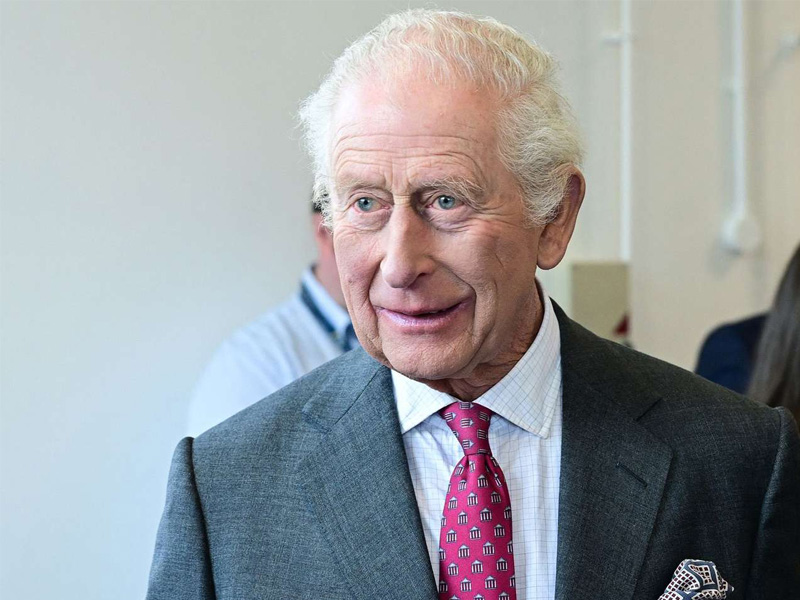
“This issue is not merely about individuals but concerns the monarchy as an institution,” she emphasized. “What we require is not just an apology in the name of the crown, but a recognition of this history coupled with actions to address its enduring impact on global racism and inequality. An apology could provide a foundation for the honest dialogue and transformation necessary for our nation in a rapidly evolving world.”
The Runnymede Trust supported this perspective by characterizing a royal apology as a potentially “positive, symbolic first step.” However, they cautioned that symbolism without substantive measures would be insufficient. The organization highlighted that reparations should not imply collective blame but rather focus on rectifying how the legacy of slavery is woven into today’s economic and financial systems.
They stated, “Reparations do not entail inflicting collective punishment or demanding admissions of guilt—rather, a Crown apology should be extended only if it is accompanied by a governmental pledge to engage in the necessary systemic changes that address the legacy of slavery embedded in our socio- economic frameworks.”
Liliane Umubyeyi, director of African Futures Lab, emphasized that mere recognition cannot substitute for the ethical and legal duty to seek reparations, as slavery is classified under international law as a crime against humanity.
Political advocacy for a formal apology transcends partisan lines. Green Party MP for Bristol Central, Carla Denyer, remarked that an official apology is “long overdue”, asserting that descendants of those enslaved “deserve nothing less.”
Additionally, independent experts aligned with the United Nations have joined the call. Michael McEachrane, a participant in the UN's permanent forum on people of African descent, conveyed that the global demand for reparative justice is not about fixating on historical wrongs but rather about establishing a fair and sustainable future.
He stated, “It is essential for a sustainable future, as colonialism has been the most significant contributor to social, economic, and environmental disparities in human history. This is not a question of charity or ‘handouts’—it is about partnership: Commonwealth nations and the UK collaborating to create equitable futures while recognizing their shared historical context.”
UN human rights lawyer Dominique Day also pointed to the ongoing legacy of slavery and colonial practices in contemporary injustices affecting areas such as law enforcement and broader social issues. She expressed that acknowledgement from the crown could pave the way for reparative actions and progress towards a future grounded in equity and respect.
Later this year, during the Commonwealth Heads of Government Meeting in Antigua and Barbuda, King Charles is expected to encounter escalating pressure from Caribbean and African states on this issue. Brooke Newman, historian and author of The Crown’s Silence, noted that this meeting has the potential to be pivotal. “The year 2026 could be critical for Charles to take decisive action,” she asserted, emphasizing that the subject has often been marginalized amid cultural debates despite substantial historical evidence.
Comments (0)
You must be logged in to comment.
Be the first to comment on this article!