
Egypt has raised electricity prices for consumers using higher amounts of power and for commercial entities, with the new rates taking effect in April. This adjustment is occurring against the backdrop of significant global energy market disruptions, influenced by conflicts in the Gulf region.
The Ministry of Electricity announced the tariff revision on a Saturday, framing it as a necessary measure to encourage conservation and stabilize the nation's financial standing.
This latest change is part of a series of government initiatives aimed at managing escalating energy expenditures and alleviating the strain on public finances. The Arab world's most populous country faces increasing fiscal pressure due to heightened import expenses.
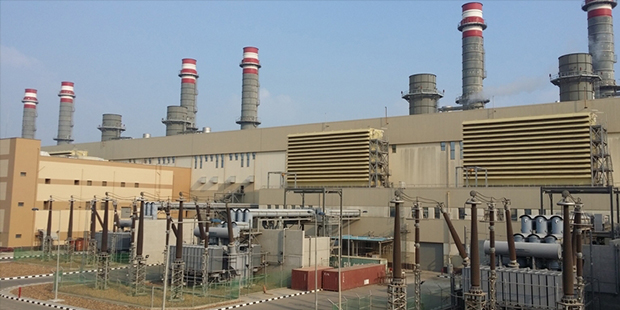
According to the announcement, electricity rates for residential consumers using up to 2,000 kilowatt-hours per month will remain unchanged. However, households exceeding this threshold will experience an average price increase of 16%. Commercial electricity tariffs, across all consumption bands, are set to rise by approximately 20%.
The ministry clarified that the updated pricing structure is designed to protect lower-consumption households while specifically targeting higher-usage residential segments and businesses to ensure the continued availability of electricity across all sectors.
Previously, Prime Minister Mostafa Madbouly had highlighted that Egypt's expenditure on energy imports had more than doubled since the commencement of hostilities involving the United States, Israel, and Iran. This situation necessitates urgent fiscal responses.
In response, the government has implemented measures such as increasing fuel costs, raising public transportation fares, and postponing certain state- funded projects to manage growing financial challenges.
Conservation efforts have also been introduced, including mandating earlier closing times for commercial establishments, as a strategy to reduce overall energy demand amidst persistent global oil price volatility.
Egypt's economic situation is further complicated by a substantial debt load, where debt servicing accounts for nearly half of the government's expenditures in the current fiscal year. Inflation remains a persistent concern, having reached a peak of 38% in September 2023 and continuing to register in double digits.
Comments (0)
You must be logged in to comment.
Be the first to comment on this article!