
She finds humor at the right moments and is punctual at work. Her social media showcases images filled with messages of gratitude and personal development. To an external observer, she appears well-adjusted, perhaps even flourishing.
Yet internally, she is confined in a space invisible to others—one where unvoiced thoughts fill the air, and questions remain unasked. She may relive her past traumas repeatedly, questioning their reality, their severity, and whether anyone would believe her if she reached out for support.
Is there anyone who perceives her distress?
Women who function under this facade fascinate me. They have perfected the art of masking their agony to the extent that even their closest friends and family might remain oblivious to the turmoil beneath their composed exteriors. Sitting at meetings or family gatherings, they may ponder whether the inner turmoil is discernible to those around them.
The loneliness stemming from surviving gender-based violence is profound. The burden isn't solely that of the event itself; it’s the weight of secrecy, the burden of carrying knowledge about their experience that others do not share. They become altered by an ordeal that society expects them to keep silent about.
I once met a woman at a wedding seated beside me. We exchanged pleasant conversation, yet at one point, she asked, “Does it ever stop feeling like you’re the only one who knows your true story?”
At the time, I struggled to respond. Even now, I find it challenging. Because the reality is, even after sharing your story and being believed, a part of the trauma remains solely yours. It’s that specific heaviness, the unique changes it brings, and the unexpected moments when it resurfaces, forcing you to maintain an appearance of normalcy amidst conversations or celebrations.
She continues to bear this burden, attending weddings and smiling at speeches, while battling the feeling that she is only partly there. The other part is still entangled in past trauma, trying to comprehend what transpired and questioning if she is justified in labeling it for what it was.
For many women, the space they occupy is not solitary by nature; instead, it reverberates with harsh self-judgments. They grapple with doubts: What did I do to contribute? Why didn’t I resist more fiercely? Why was I silent? Why did I return? Why did I remain? Why didn’t I know better?
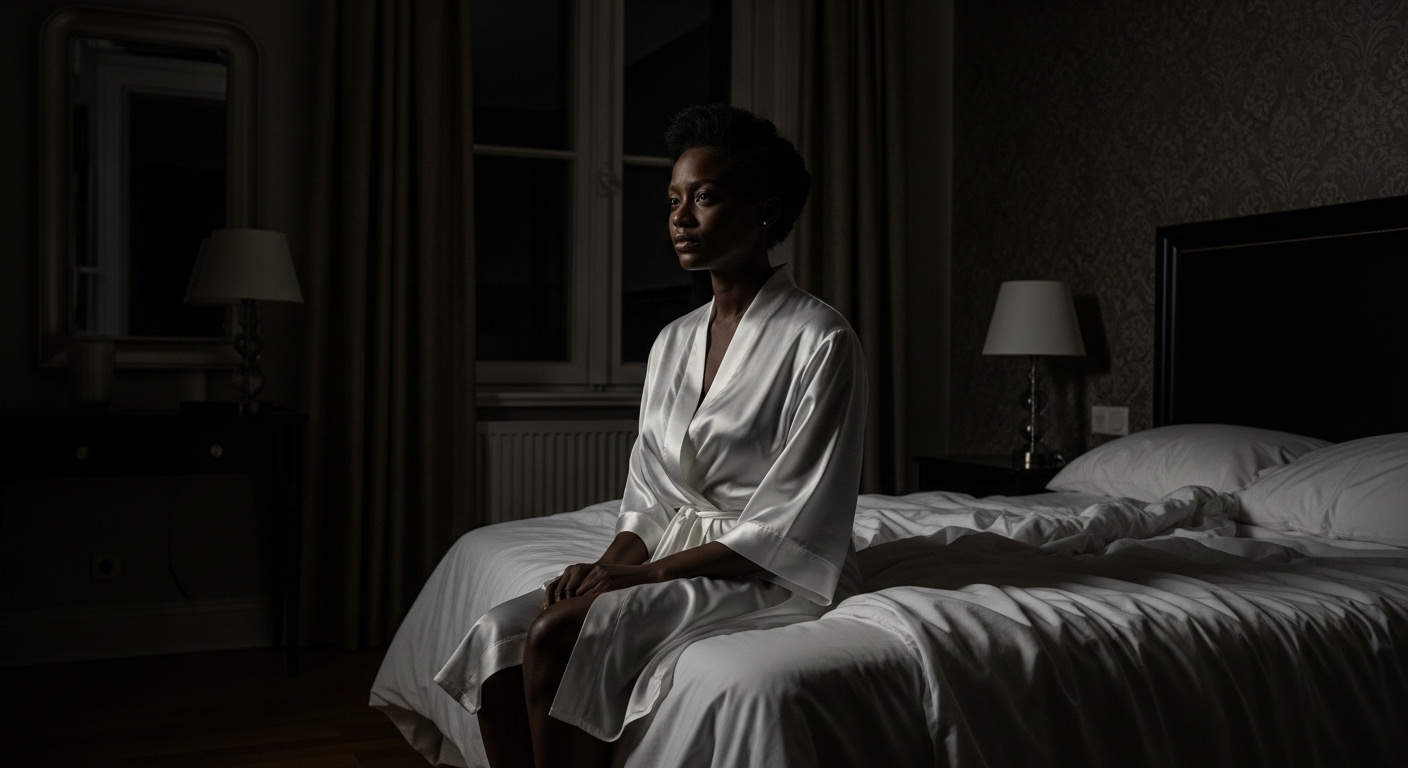
I have witnessed women torment themselves with these questions, replaying past events, scrutinizing every choice and reaction, searching for an opportunity that could have altered the outcome. They feel responsible for the actions of another, as if there’s a correct response to trauma that could have rendered it invalid.
One woman I know often inquires about the normalcy of experiencing nightmares years later and questions her potential for recovery. Although she avoids specifics, the essence of her inquiries reveals everything. She resides in that painful space and has for many years, uncertain if escape is viable or if that zone has become so familiar that leaving feels more daunting than remaining.
“Does anyone else feel like this?” she once asked me. “Or is it just me?”
She is not alone; it’s never just her.
They all wonder if they are being seen. Tragically, most people overlook their struggles, not out of indifference but because survivors have learned to conceal their scars adeptly. Society often encourages women to appear resilient, to avoid burdening others with their pain, to keep their trauma neatly tucked away so as not to disrupt anyone’s life.
So they smile, manage to function, and show up, all the while internally screaming.
I contemplate the toll of living this way—the effort to uphold two personas, the one the world sees and the one that truly exists. The fatigue from constant self-regulation, ensuring they reveal nothing excessive, and preventing the facade from crumbling.
This dual existence is unsustainable. Yet women persist, as the risk of being openly damaged appears more perilous than the comfort of suffering in solitude.
For survivors of sexual and gender-based violence (SGBV), this invisibility manifests as a chilling reality. Others may see them, but they remain blind to the trauma endured. They do not perceive the weight they carry, nor can they fathom why matters have grown so complicated.
Why can't she simply move on? Why does she seem to react intensely to minor provocations? Why does she often require reassurance? Why can’t she trust anyone? Why has she constructed barriers that prevent closeness? Why has she changed?
Her transformation is a result of her trauma, and she endures that internal change alone, pondering if anyone will come to comprehend her pain, or if she’ll forever find herself translating her experiences into words acceptable to others.
During a prior consultation with a therapist specializing in SGBV survivors, she shared something notable: “The most challenging aspect isn’t usually the trauma itself,” she disclosed. “It’s the isolation that follows. The sensation of navigating this immense burden entirely in solitude is what truly fractures individuals, rather than the events that transpired.”
This loneliness intensifies when survivors seek support but face responses that amplify their isolation. They are urged to pray, questioned about their attire, advised to simply move forward, or made to feel like their hurt is an inconvenience or evidence of weakness.
Consequently, they withdraw, retreating into seclusion, which deepens their isolation.
Some women occasionally offer brief support in comment sections of social media, without sharing their own experiences. They leave simple remarks such as “this resonated” or “I needed to hear this today.” Once, I came across a comment from one such woman, stating, “How can you ask for help when you’ve convinced everyone that you’re okay for so long?”
I am unsure if she ever found a resolution to that question. However, it lingers in my thoughts. Because that encapsulates the dilemma, doesn’t it? You project a facade of wellness for so long that seeking assistance feels like confessing you’ve been deceiving others. It becomes a fear of inciting anger for the façade you maintained and risking the acceptance you fought to construct.
Yet, I wish to convey a message to that woman—the one sitting alone with her feelings, reading these words, possibly relating to my portrayal of her journey despite our unfamiliarity.
You are not as hidden as you believe.
Some individuals have dedicated their lives to noticing: trauma therapists, organizations designed to assist survivors, and communities of women who have confronted similar battles and found their own paths to healing.
In Lagos, the Domestic and Sexual Violence Agency actively works to identify those unnoticed. They have built their framework around understanding the unseen, creating pathways for women uncertain about how to seek support.
Digital platforms are emerging, crafted specifically for survivors in need of assistance outside conventional avenues. For women desiring anonymity, for those needing empathy at 2 AM when the world feels restrictive, for those wanting affirmation without additional judgment, these resources are being developed.
Such support systems exist precisely because awareness is growing. Because many individuals recognize that you remain trapped in that space. Because there are ongoing efforts to construct links between your current state and the possibilities for healing.
You are not required to have everything resolved. You do not need to be ready for therapy or any daunting steps that seem insurmountable right now. All you need is the awareness that when you are prepared, help is available. Resources exist that cater specifically to your needs, and there are communities that resonate with your experiences of isolation.
I won’t pretend that reaching out is simple. It can be intimidating. It requires the acknowledgment that you are not okay, that assistance is necessary, and that your experiences mattered. That constitutes a heavy load to share with anyone.
But remaining silent means enduring the burden alone indefinitely, and you were never meant to handle that on your own.
Comments (0)
You must be logged in to comment.
Be the first to comment on this article!