
The Federal Government has mandated the National Agency for Food and Drug Administration and Control (NAFDAC) to halt its plans for a ban on sachet alcohol and 200ml PET bottle alcoholic beverages.
In addition, the government has instructed the agency to cease sealing factories and warehouses that produce and store these items.
This directive was communicated in a statement released on February 11 in Abuja by the Special Adviser on Public Affairs to the Secretary to the Government of the Federation, Terrence Kuanum.
According to Kuanum, the order emerged from a collaborative engagement by the Office of the Secretary to the Government of the Federation and the Office of the National Security Adviser, which flagged potential security issues stemming from continued enforcement while lacking a fully operational National Alcohol Policy.
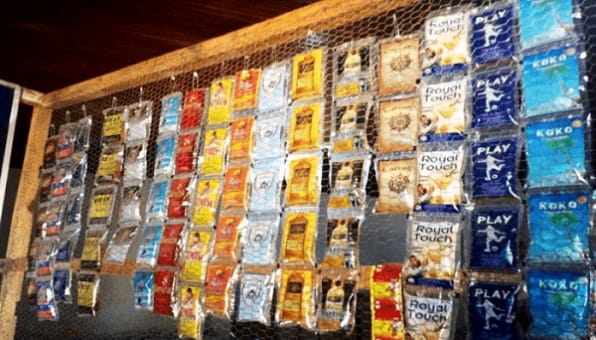
"Consequently, all actions, decisions, or enforcement measures related to the ongoing ban on sachet alcohol are to be suspended pending the completion of consultations and the implementation of the National Alcohol Policy alongside the issuance of a final directive," the statement indicated.
Kuanum mentioned that, although the Federal Ministry of Health had signed the National Alcohol Policy following the directive of President Bola Tinubu, both offices stressed that NAFDAC should refrain from all enforcement actions until the policy is executed in its entirety and additional directives are provided.
The government specified that these measures would include the shutdown of factories, the sealing of warehouses, and public initiatives emphasizing the ban on sachet alcohol.
The statement noted that the ongoing closure of warehouses and what was referred to as a "de facto ban" on sachet alcohol products, without a cohesive policy framework, is causing significant economic disruptions and presenting security threats, mainly due to its effects on employment, supply chains, and informal distribution mechanisms across the country.
Kuanum pointed out that this stance reinforces an earlier directive issued in December 2025 from the SGF’s office, which had called for the suspension of all actions related to the proposed ban until further consultations and a conclusive decision could be reached.
Furthermore, he elaborated that the SGF’s office had received correspondence from the House of Representatives Committee on Food and Drugs Administration and Control, dated November 13, 2025, expressing concerns about NAFDAC's suggested enforcement actions and noting existing resolutions from the National Assembly regarding the issue.
The letter in question, referenced as NASS/10/HR/CT.53/77 and signed by the committee's Deputy Chairman, Hon. Uchenna Okonkwo, similarly voiced apprehensions about NAFDAC's enforcement strategies and highlighted existing National Assembly resolutions pertinent to the situation.
The Federal Government is currently evaluating legislative resolutions, public health factors, economic repercussions, and matters relating to national interest surrounding this topic.
Officials indicated that the engagement of the National Security Adviser demonstrates that the discussion has extended beyond mere regulatory issues, warning that a hurried enforcement could threaten community stability, exacerbate unemployment rates, and lead to security complications.
The government reassured both Nigerians and industry stakeholders that a conclusive decision will be communicated following the consultations and coordination among agencies, prioritizing public health, economic stability, and national security.
Comments (0)
You must be logged in to comment.
Be the first to comment on this article!