
Ghana's Permanent Representative to the United Nations, Samuel Yao Kumah, has stated that the country's call for recognition of the transatlantic slave trade as a crime against humanity is aimed at enhancing global awareness of the historical injustices and enduring consequences linked to the slave trade.
Kumah emphasized that the proposed resolution does not seek to prioritize one historical atrocity over another or to compare levels of suffering. Instead, it aims to officially acknowledge a system that has significantly influenced the modern world and continues to perpetuate global inequalities.
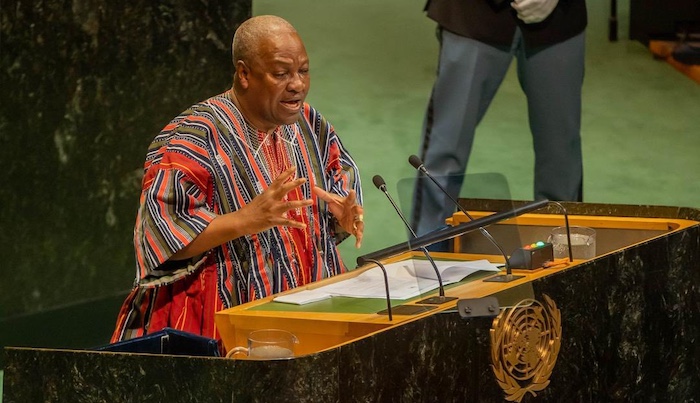
He pointed out that crimes such as genocide, apartheid, and colonial violence are unequivocally condemned under international law, asserting that this initiative centers on acknowledgment rather than creating a hierarchy of violations.
For Ghana, this proposal signifies a commitment to directly address historical wrongs while fostering wider conversations about justice, accountability, and reparative solutions.
Kumah further indicated that supporting this resolution should be recognized as a collective moral obligation instead of an indictment, arguing that confronting past atrocities is crucial for promoting dignity, equality, and truth in society.
Records indicate that between 1501 and 1867, upwards of 13 million Africans were forcibly transported across the Atlantic as a result of the transatlantic slave trade, a legacy that continues to impact social and economic disparities around the world today.
Comments (0)
You must be logged in to comment.
Be the first to comment on this article!