
Global air travel has been severely impacted as ongoing conflict in Iran has necessitated the closure of critical Middle Eastern aviation centres, including those in Dubai, Doha, and Abu Dhabi. Consequently, tens of thousands of travellers find themselves stranded.
Airlines operating in Europe, Asia, and North America have announced extensive flight suspensions and cancellations. Routes serving destinations such as Tel Aviv, Beirut, and Amman are particularly affected.
Several prominent carriers have made significant adjustments. Air France and KLM have ceased operations on multiple Middle Eastern routes. Delta Air Lines, meanwhile, has stopped its New York to Tel Aviv flights and postponed the resumption of its Atlanta service until August.
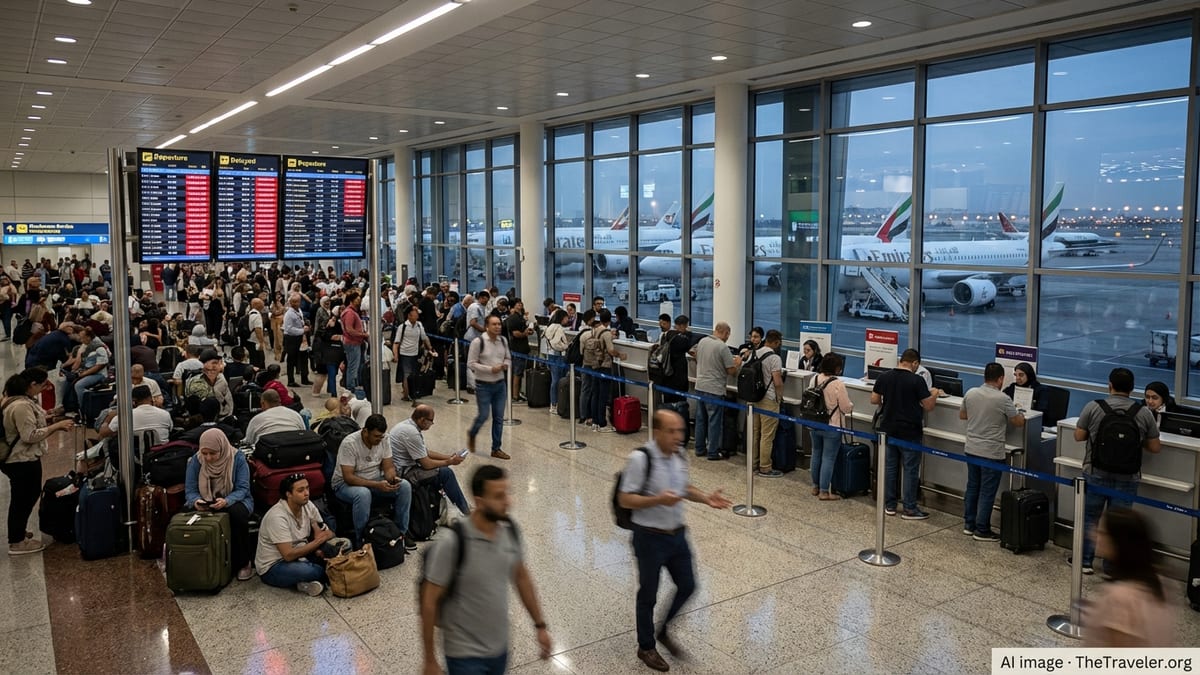
Middle Eastern airlines, including Emirates and Etihad Airways, are operating on reduced schedules following partial reopenings of their respective airspaces.
Asian carriers such as Cathay Pacific and Japan Airlines have also halted flights to major Gulf cities, citing safety concerns and restricted airspace.
European aviation giants like Lufthansa Group, British Airways, and Finnair have cancelled or postponed services throughout the region, opting to avoid airspace over Iran, Iraq, Syria, and Israel.
Low-cost and regional airlines, including Wizz Air, Pegasus Airlines, and Flynas, have extended the suspension of numerous Middle Eastern routes, with some disruptions anticipated to continue into September.
Qatar Airways has confirmed that its operations are temporarily suspended due to the closure of Qatari airspace. The airline anticipates resuming a limited number of flights in the coming days.
These widespread disruptions underscore the vital role of the Middle East as a central hub for international aviation. The closure of its airspace is causing significant ripple effects throughout global travel networks, compelling airlines to reroute or cancel flights on an unprecedented scale.
Comments (0)
You must be logged in to comment.
Be the first to comment on this article!