
On a warm and humid Saturday in Abuja, Hafsat Abdullahi is preparing for a film shoot set in a tranquil neighborhood, with the cinematographer waiting for the director's cue.
After a brief moment of focus, she steps forward not as Hafsat but as Havfy, a renowned spoken word artist who is gaining recognition in Nigeria's poetry scene. Performing both live and digitally, she shares her recitations widely on social media, amassing over 700 videos across various platforms. Depending on several factors such as concept and location, a typical one-day shoot can range from $400 to $1000 USD, typically involving a crew of 5 to 15 individuals. This trend illustrates how poets like Havfy are adding substantial value to Nigeria's creative sphere, often referred to as the orange economy.
An increasing number of Nigerian poets are distributing their creations as spoken word albums through streaming services or as visual poetry on social networks. Alongside Havfy, slam poets like Ibquake and TheGlobalPoet have also garnered considerable followings. Notably, Havfy has announced her net worth as a poet and spoken word artist surpassing 70 million naira (approximately $50,000 USD). In 2025, TheGlobalPoet, a 22-year-old known as Deborah Johnson, earned a ₦30 million cash prize (around $21,400 USD) on De9jaspirit Talent Hunt, a competitive platform featuring musicians, comedians, and dancers.
These developments highlight the upsurge of interest in spoken word within Nigeria's cultural and entertainment industries. Slam poets are frequently sought after by civil society organizations and human rights groups to perform at significant events, including those hosted by the United Nations. In 2025, Havfy was honored as a Young Leader for the Sustainable Development Goals (SDGs) designation by the UN.
"I used to be just a regular girl from northern Nigeria, juggling school. I was a freshman at Ahmadu University. Although I dabbled in poetry, it was more of a hobby," she shared.
Havfy's artistic journey commenced in northern Nigeria, where she was raised in a multi-faith household by parents she described as deeply loving. Her father, a Muslim, and her mother, a Christian, instilled in her the value of tolerance—a significant lesson in a region often fraught with religious conflict. Motivated by the esteemed Nigerian poet, Niyi Osundare, she refined her performance abilities by engaging with poets at the Abuja Literary Society, which frequently holds competitive slams where victory margins are often razor-thin.
Havfy remarked, "I wasn’t overly analytical about my poetry, but I always used it to address societal issues. Whenever I witnessed injustices—be it rape or any form of wrongdoing in my community—I felt compelled to speak out through poetry because it was an engaging method that attracted people's attention."
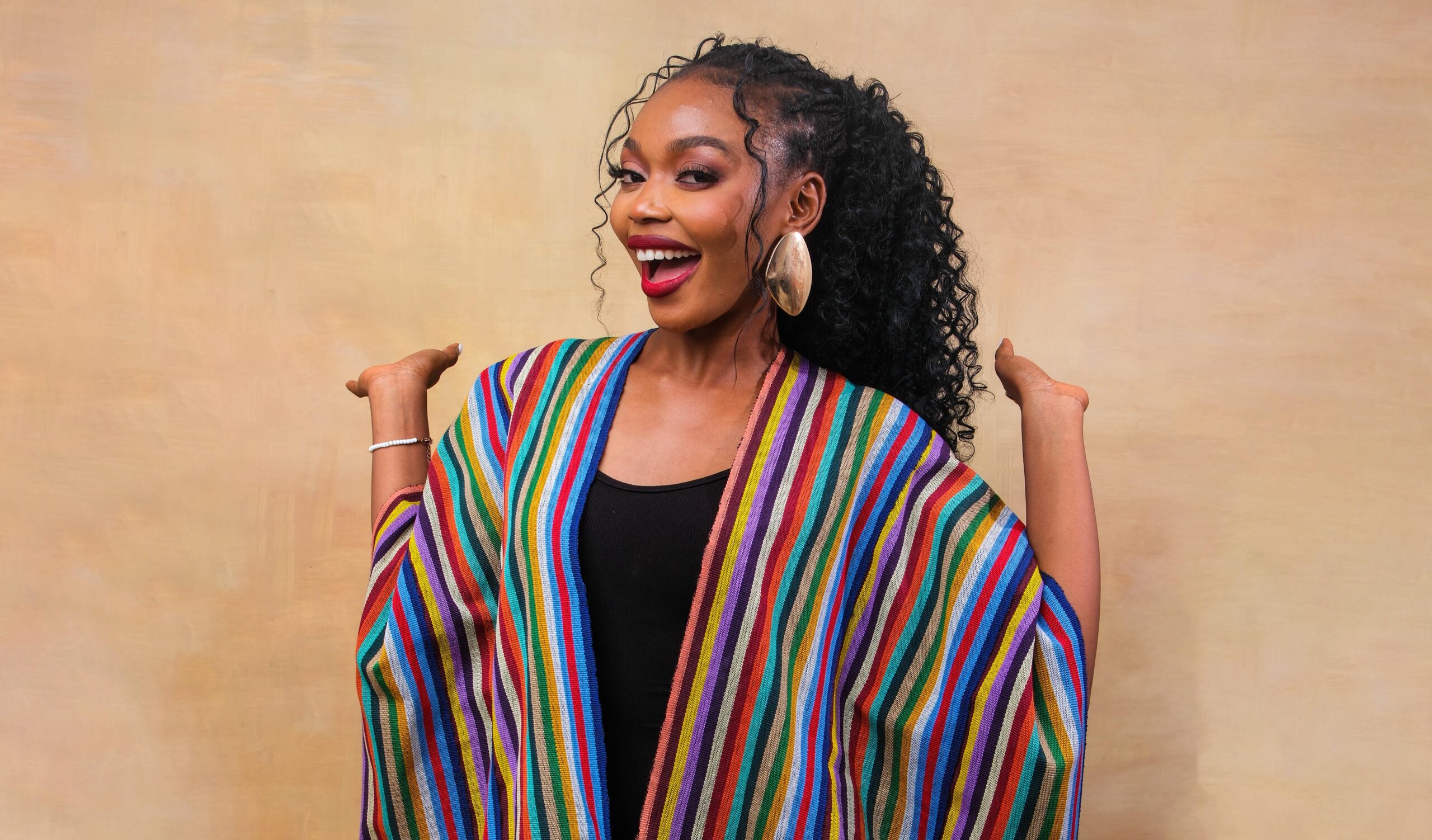
Her reputation has transcended the poetry realm, catching the eye of notable figures in other creative fields. In particular, Nigerian music executive and producer Don Jazzy shared a video of Havfy delivering a compelling poem about anti-colonialism, which quickly gained traction online. He praised her as a “new obsession” and arranged a meeting with her, affirming poetry's worth in the creative landscape.
Dr. Bash Amuneni, one of the coordinators of the national Slam of Champions, acknowledged the significant leverage young poets derive from social media to showcase their art. "Many are achieving impressive view counts online. It’s a wonder to observe poetry videos garnering anywhere from 10K to 100K views. It’s something to be thankful for, and we should champion this movement,” he remarked.
Despite the increasing visibility of Nigerian poets, the genre is yet to receive recognition in the country’s creative and tourism metrics. In the third quarter of 2025, a report released by the Nigerian Federal Ministry of Arts, Culture, and Creative Economy identified and categorized the creative sectors in Nigeria, but sadly, spoken word was not included.
The Nigerian government first introduced the concept of a 'creative economy' in its national policy framework in 2014. Following the economic rebasing that occurred that same year, measures began to capture the cultural sector's contribution as a non-oil revenue stream to the country’s GDP. By 2019, the National Digital Economy Policy and Strategy was introduced, enhancing the focus on digital creative skills.
In 2023, the administration of President Bola Tinubu established the Federal Ministry of Arts, Culture, Tourism, and Creative Economy, with the goal of promoting and leveraging the economic opportunities inherent in “Nigerian content.”
Nigerian music, film, and fashion are not only pivotal to pop culture but also attract significant investments across Africa and beyond. The Nigeria Creative Economy Report of 2025 indicated that Nigeria's position in cultural diplomacy improved, lifting its “Global Soft Power Ranking” 16 spots from 93rd in 2023 to 77th in 2025. Economically, the same report valued the measurable creator economy at $31.2 million, with fashion, music, and Nollywood's box office contributing the most. Emerging areas highlighted in the report include gaming, immersive technological experiences, and homegrown streaming services.
Nigeria aims to bolster its creative economy, targeting a revenue contribution of $100 billion to its GDP by 2023. The plan includes transforming the sector from a minor contributor to an essential economic force, intending to create more than two million jobs annually in the creative sphere, leveraging Nigeria's music, film, fashion, and digital content markets.
Nevertheless, poets feel marginalized and unrecognized by the government as key contributors to the economy.
“That’s a significant oversight,” Amuneni expressed. “Poets deserve encouragement. It’s a challenge to navigate as a poet, as many don’t take us seriously. Yet, we are making valuable contributions. The presence of brands engaging poets for endorsements and commercials highlights our impact.”
Abdulmalik Yahya, a Nigerian author, poet, social entrepreneur, and UN SDGs advocate, founded the Sahel Scribes Poetry Club, nurturing over 300 budding poets in northern Nigeria. He is committed to cultivating slam poetry as a promising sector capable of driving economic growth in Nigeria.
"Poets are publishing their works on platforms such as Spotify. The data from 2025 shows that Nigerian creatives received royalties, indicating a viable opportunity,” he highlighted.
A World Bank report notes that cultural and creative industries generate 30 million jobs globally, accounting for 6.2 percent of total employment. For instance, cultural occupations in low-income nations have employment shares ranging from 25.3 percent in Uganda to 33% in Pakistan, with Nigeria’s slam poetry scene incorporating not just the poets but also cinematographers, makeup artists, production managers, and event organizers. This grassroots community, predominantly based in Abuja, originated around twenty years ago, largely led by the esteemed Abuja Literary Society.
Local organizations like the Sahel Scribes Poetry Club and Naija Poetry Fest in Lagos are collaboratively harnessing collective influence to elevate a scene that has largely remained underground into the mainstream creative industry. The Slam of Champions event traveled across the nation, with participants like Jeremiah Priest traveling over 620 kilometers to compete in Abuja. He holds Havfy in high regard, stating, "Many people look up to Havfy. She serves as an inspiration and opens pathways in this field, which is wonderful to witness."
Oreva Olujimi, a judging panelist at the Slam of Champions, is also a finance expert, poet, author, and spoken word artist with works available on Spotify and Apple Music. She believes in the necessity of fostering partnerships between investment sectors and the arts.
"Poetry has a significant impact. Events like the Slam of Champions are vital in discovering new talent. Poetry allows us to illustrate stories and emotions that might otherwise remain unseen. There exists a clear market for this,” she noted.
"A critical connection must be established between those who need to appreciate our talents and bridging that gap. For instance, if the winning poet performs well in South Africa, it would be a victory for Nigeria and our creative sector,” Olujimi elaborated.
Nigerian poets have moved beyond mere collaborations with brands; they are consistently drawing crowds. At Abuja's esteemed Transcorp Hilton, where international dignitaries often stay, a hall is filled with eager spectators awaiting the next performer. Havfy takes the stage, delivering a breathtaking poem that mesmerizes the audience.
Comments (0)
You must be logged in to comment.
Be the first to comment on this article!