
The Houthi movement in Yemen has declared its plan to recommence assaults on vessels navigating the Red Sea, which is intensifying concerns regarding maritime security in one of the most trafficked shipping routes globally.
Aligned with Iran, the group, formally identified as Ansar Allah, stated that it would initiate operations targeting maritime traffic in this vital pathway that connects the Mediterranean Sea to the Indian Ocean via the Suez Canal, facilitating a considerable share of worldwide trade.
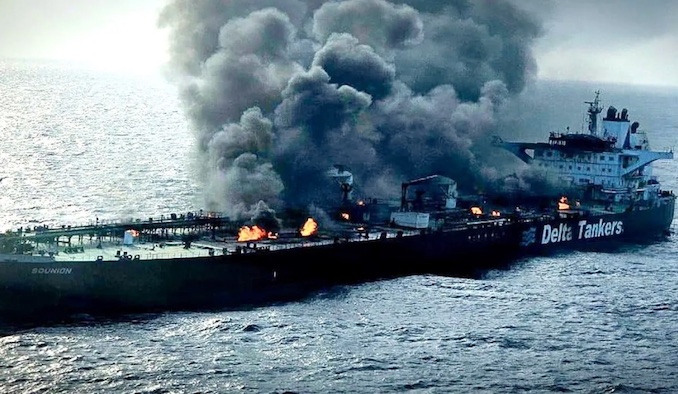
Previously, the Red Sea has experienced drone and missile strikes attributed to the Houthis, who assert that their actions are linked to broader regional disputes. The resurgence of these threats may escalate tensions and affect commercial shipping, global energy supplies, and insurance premiums for ships operating in this region.
In response to earlier incidents, international naval coalitions, which include forces from the United States and other European allies, have heightened their patrols in recent times. A new wave of attacks might provoke additional military deployments and retaliatory measures, potentially aggravating instability throughout the area.
Shipping firms may now need to rethink their routes, with some shipping carriers previously diverting their vessels around the Cape of Good Hope as a precaution, a decision that significantly raises costs and prolongs transportation times.
Following the announcement, there was no immediate reaction from Western naval forces. Analysts caution that a persistent campaign against commercial shipping could produce ripple effects that disrupt global supply chains and impact oil markets.
The situation remains dynamic as both regional powers and international entities keep a close watch on developments in the Red Sea corridor.
Comments (0)
You must be logged in to comment.
Be the first to comment on this article!