
In an era dominated by digital communication, nothing a celebrity expresses online truly fades away. Social media archives, the prevalence of screenshots, and shares can lead to even years-old comments being brought back into public discussions, consequently reshaping how they are perceived by the public.
Simi recently encountered this reality when her tweets from 2012 re-emerged following her bold public condemnation of sexual assault. The content of some tweets was labeled as inappropriate and obscene, triggering significant online dialogue.
In her defense, Simi clarified that those tweets were reflective of her life in that period and do not represent her current views. She detailed that at 23 years old in 2012, she was actively engaged in her mother's crèche while pursuing her music career, candidly tweeting about her daily experiences, including humorous and affectionate observations about the children she interacted with.
"None of my tweets were from a place of perversion. I refuse to allow anyone to manipulate my narrative into something false," she stated.
She emphasized her ongoing stance against rape and sexual violence, expressing that her commitment to these causes predated her public life. “I have always spoken against rape and sexual assault before most of you even knew who I was. I firmly maintain that position,” she assured.
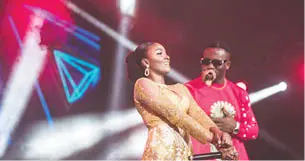
Simi's situation has echoed through Nigeria's entertainment landscape, highlighting a trend where celebrities are increasingly held accountable for past statements. Burna Boy, for example, issued an apology on October 23, 2020, for tweets perceived as insensitive amid the #EndSARS protests, explaining he was in a difficult emotional state and deleted the controversial messages.
He also offered a formal apology in July 2025 for his comments in 2023 regarding Afrobeats, stating he was again in a dark place and regretted the confusion caused by his remarks. Most recently, on November 19, 2025, Burna Boy posted a partial apology on Instagram after supposedly labeling some fans as “poor” or “broke,” maintaining that it was intended as a joke that had been misinterpreted, yet expressing regret if he was indeed in the wrong.
Wizkid faced similar accountability when he apologized in person to Don Jazzy in 2025 for a 2024 tweet where he referred to the Mavin Records executive as an “influencer,” which was perceived as derogatory amid a wave of backlash that led to him deleting the post. He also visited fellow artist Reekado Banks to express remorse over a tweet where he disparaged Reekado during the protests, citing his regret over his behavior during that challenging time.
A controversial tweet surfaced in mid-2025 where Wizkid made inappropriate remarks about a 14-year-old girl, which was quickly removed by his team. Mr Eazi faced backlash in 2017 for asserting that Ghanaian music influenced modern Nigerian music. Even so, he stood by his comment during a 2023 podcast interview, maintaining his stance despite the backlash.
Toke Makinwa has often found herself scrutinized for her desire for a financially supportive partner, with critics dredging up her past radical feminist posts to argue that such a desire clashes with her self-proclaimed independence. In a recent podcast episode, Toke mentioned that she would not mind being a fifth wife to a supportive partner, which critics used to accuse her of leading young women astray.
While many celebrities are quick to clarify or apologize for their past comments, talent managers highlight the difficult balance between accountability and harassment. There is a consensus among analysts that while accountability can help uphold ethical standards, especially on sensitive topics like racism and sexism, there’s a concerning trend of calling out old posts for harassment rather than constructive dialogue.
In a conversation with Weekend Trust, King James, an Abuja-based talent manager, noted that while "digging up" old statements can serve as necessary accountability, it’s crucial to differentiate between informing the public and engaging in negative personal attacks. He emphasized the permanence of social media: “Nothing celebrities post is without consequence, and revisiting harmful statements is part of holding them accountable.”
However, he warned that if old posts are shared without proper context, this could easily cross into harassment territory.
Furthermore, another talent manager, Brian Okafor, expressed concern about how even benign historical posts can resurface, jeopardizing artists’ reputations and brand partnerships. He underlined the importance of anticipating that public figures should assume nothing online is permanent. “We advise our clients that using old posts as weapons against people, rather than initiating constructive conversations, is inevitably unjust,” he remarked.
As discussions around resurfacing tweets continue, reactions from fans on social media remain mixed—some showcase support for the celebrities, while others demand accountability. While some assert that celebrities should face consequences for harmful words, others argue that individuals evolve and should not be indefinitely punished for past errors.
Fans have voiced their opinions on platforms like X, where statements advocating for accountability amidst public influence were contrasted with views arguing for forgiveness and understanding of individual growth.
Jesse Somto, in dialogue with Weekend Trust, mentioned the need for careful consideration before judgment, advocating for context in assessing the relevance of resurfaced comments, stating, "If the past statement indicates harmful behavior patterns backed by evidence, then accountability is warranted; however, casual jokes or harmless comments shouldn't be weaponized for attacks."
Comments (0)
You must be logged in to comment.
Be the first to comment on this article!