
The Independent Corrupt Practices and Other Related Offences Commission (ICPC) has initiated a process to monitor executive and constituency projects located in areas noted for security risks, particularly in Yobe State.
Linus Gubbi Matashi, the Resident Anti-Corruption Commissioner for Borno State, revealed this information during a press briefing in Maiduguri. The primary goal of the initiative is to guarantee that the tracked projects receive adequate attention and funding is utilized effectively.
Matashi noted that the commission is currently overseeing 38 projects across the state to ensure they are executed according to specifications and provide value for the investment made.
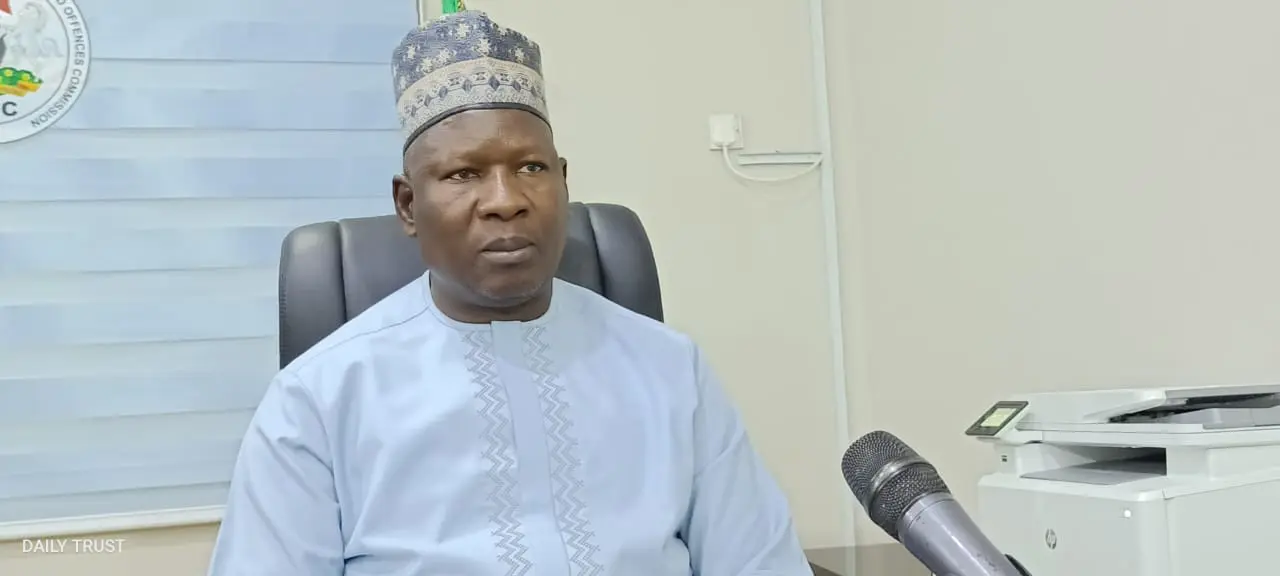
He pointed out that insecurity in regions like Borno and Yobe often hampers the completion of projects, prompting the commission to monitor such situations and relay feedback to their headquarters for further directives.
Furthermore, he explained that an estate valuer and a quantity surveyor are part of the team to evaluate instances where projects may be inadequately executed or left unfinished.
In circumstances where conditions permit the contractors to resume and finalize the work, the commission allows them a specified timeframe to complete the projects. Should they fail to meet this deadline, the commission seeks to recover the funds allocated.
In cases of criminal conduct regarding project execution, recommendations will be made for the initiation of serious criminal investigations to enable appropriate legal action against wrongdoers.
Matashi expressed concern about the lack of community ownership over the projects provided by the government, indicating that many localities do not report violations or failures to the commission or contractors when projects falter. This disinterest often results in projects being abandoned or poorly completed.
He reiterated the commitment of the commission to oversee the execution of projects, ensuring adherence to specified standards and affirming that funds are well spent.
The project tracking team includes two operatives from the commission, a quantity surveyor, an estate valuer, and representatives from Civil Society Organizations (CSOs), journalists, community beneficiaries, and other stakeholders involved.
At the conclusion of the project tracking, the team will submit their findings to him for presentation to the ICPC headquarters for necessary action.
Comments (0)
You must be logged in to comment.
Be the first to comment on this article!