
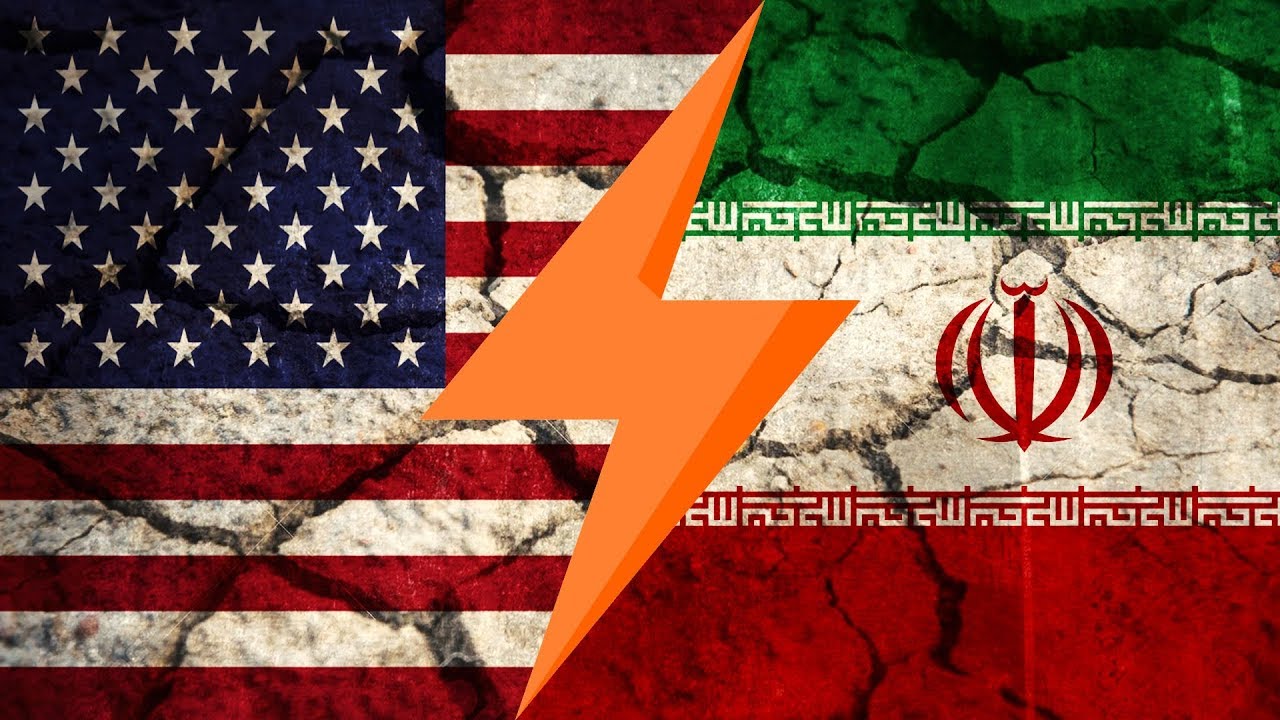
This report examines the economic consequences that the US-Israel-Iran conflict may have on Nigeria. Simulation data indicates that Nigeria's economy is at a considerable risk due to the current geopolitical tensions involving these nations. Metrics related to trade exposure, disruption scenarios, and the situation in the Strait of Hormuz show that Nigeria is particularly susceptible concerning several key commodities, including crude oil, refined petroleum, wheat, and urea fertiliser. These commodities play a crucial role in maintaining macroeconomic stability, managing inflation, and ensuring household welfare within the nation.
Specifically, the composite risk indicator for Nigeria stands at 0.816, largely driven by significant exposure to crude oil, refined petroleum, wheat, and urea fertiliser. This evidence highlights that the potential consequences of the conflict on Nigeria are widespread, affecting energy markets, food imports, agricultural inputs, and living costs.
Moreover, simulations suggest that the conflict is likely to exacerbate existing inflationary pressures, which had already remained high at 15.06 percent in February 2026 compared to 15.10 percent in January 2026. The average headline inflation rate for the past year also persisted at 21.03 percent. The economic landscape is precarious, and any new external shock to the fuel, food, or fertiliser sectors could have profound impacts. Additionally, this vulnerability is intensified by an already weakened welfare scenario within the country. For example, a report by the World Bank from October 2025 revealed that average consumption in Nigeria plummeted by 6.7 percent between 2019 and 2023, while poverty rates escalated from 40 percent in 2019 to 56 percent in 2023, with projections suggesting a rise to 61 percent, equating to 139 million individuals by 2025. This report also noted that poorer households devote up to 70 percent of their total consumption to food, indicating that any external shocks leading to significant increases in fuel, wheat, or fertiliser prices would disproportionately strain average Nigerians' welfare.
Further analysis indicates that Nigeria’s exposure to crude oil related to the ongoing conflict is particularly high. The crude petroleum trade results reflected an exposure strength of 30,780,811.7, with a reliance on the US of 0.465 and a dependency on Iran of 0. The simulation results show that Nigeria would incur a loss of 14,299,191.72 if the US were excluded from the trade network, while no losses would arise from the exclusion of Iran. This suggests that Nigeria's crude oil risk predominantly revolves around its trade connections with the US rather than directly with Iran.
Additionally, investigations into the Strait of Hormuz scenario show that Nigeria's position in the crude oil trading network has remained largely intact, with no significant drops in total trade or weighted indegree. Despite this, crude oil continues to be of importance since it influences export revenues, foreign exchange availability, fiscal revenues, and stability in exchange rates. Although disruptions may not directly alter crude oil trade volumes, they can still affect Nigeria via global price fluctuations and uncertainty in oil revenue. For instance, if foreign exchange earnings exhibit heightened volatility, it could place additional pressure on the naira, leading to increased domestic import costs and, consequently, inflation in other sectors of the economy. Thus, the crude oil channel is vital for inflation even if its direct consumption impact was found to be limited. This is particularly critical given that macroeconomic stabilization advances have yet to result in measurable improvements in the livelihoods of many Nigerians, as noted in the World Bank NDU report of 2025. Hence, the volatility of external earnings could soon translate into welfare challenges driven by inflation amid Nigeria's constrained fiscal environment.
Simulation results also identified refined petroleum as another major pathway through which geopolitical unrest could impact local prices in Nigeria. For instance, Nigeria recorded an exposure strength in refined petroleum trade of 3,701,370.6, with a dependency on the US of 0.598 and a betweenness score of 0.325, the highest in the region. If the US were to be excluded from the trade, Nigeria would face a loss of 2,212,644.23, whereas the loss from Iran would remain nonexistent. The results also indicate a decline in the weighted indegree for refined petroleum from 18,179,938.96 to 17,111,081.17, representing a 5.9 percent decrease, which would significantly affect domestic prices. This is particularly crucial given that refined petroleum feeds into essential sectors, including transportation, power generation, and logistics, particularly following recent deregulation in Nigeria’s oil sector.
The structure of Nigeria's Consumer Price Index (CPI) is likely to amplify this expected impact, with categories like transport accounting for 10.7 percent and housing, water, and energy comprising 8.4 percent of the CPI. Together, these elements constitute 19.1 percent of the country’s CPI basket.
Fuel also influences various sectors indirectly by raising logistics, generator, and distribution expenses, suggesting that the effective inflation impact might be broader than direct contributions imply. Consequently, any increase in refined petroleum pricing due to global conflicts or disruptions like those in the Strait of Hormuz could precipitate significant spillovers into transport costs, household energy bills, logistics expenses, and corporate operational costs. In turn, this could adversely affect the overall inflation rate through its core components. The additional poverty implications of such shocks could be severe, considering that low-income households in Nigeria allocate a substantial portion of their budgets to basic consumption.
The simulation data reveals that wheat exposure poses another significant vulnerability for Nigeria, heavily influencing inflation since wheat is integral to key food products like flour, bread, and pasta. With food contributing 40.0 percent to the CPI basket, any disruptions in wheat supply could therefore impact broader food-related expenses.
Despite food inflation witnessing a sharp decline over the past year, the figures show a rise from 8.89 percent in January 2026 to 12.12 percent in February 2026, indicating persistent sensitivity of food prices to supply disturbances. Hence, any geopolitical stress that increases international wheat costs or disrupts supply chains is likely to rapidly translate to heightened prices for bread and flour-rich foods, compounding household costs. Food inflation's disproportionate effect on lower-income households, who spend considerably more of their resources on food, warrants attention. A World Bank NDU report from 2025 showed significant price hikes in the most consumed food items among low-income households, increasing fivefold from 2020 to 2024 compared to a threefold increase for overall food costs. Thus, a wheat supply disruption would not only elevate average food prices but would likely exacerbate existing inequalities in inflation impacts, further stressing vulnerable households in Nigeria.
Furthermore, the simulation highlighted urea fertiliser as another crucial channel through which Nigeria faces considerable exposure to external shocks stemming from both the US and Iran. Results indicate an exposure strength in urea trading reaching 1,058,621.1, a reliance on the US of 0.478, and a dependence on Iran of 0.157. Loss simulations showed that Nigeria would incur a combined loss of 672,490.72 if either the US or Iran were eliminated from the trade network, with significant implications for domestic food production. Urea, being critical for agriculture, would see price increases limiting farmers' affordability, diminishing crop yields, and heightening domestic food supply costs due to a disruption.
Such disruptions can influence food inflation even if they do not directly impact consumer prices. They could affect production costs and food access. As food constitutes 40.1 percent of the CPI basket in Nigeria, any surges in fertiliser costs would likely have broad adverse effects on inflation. Rising food inflation necessitates urgent and diligent action from policymakers, particularly in light of a fragile economic context. Existing challenges such as high import costs, inadequate transport and storage infrastructure, and insecurity in agricultural zones present significant hurdles to improving domestic food production. Import restrictions on vital production inputs like fertiliser compound production costs and hamper competitiveness. Thus, a disruption in relation to the Strait of Hormuz could trigger cascading impacts exacerbated by the structural bottlenecks within Nigeria’s food systems.
This analysis indicates that if the US-Israel-Iran conflict escalates, particularly relating to the Strait of Hormuz scenario, Nigeria may face not only rising commodity prices but also wider economic ramifications. The findings underline the immediate effects would be manifested through heightened prices for key goods like refined petroleum, wheat, and urea fertiliser. These dynamics would subsequently affect major CPI categories, including Food (40.1%), Transport (10.7%), Housing and Utilities (8.4%), and Accommodation Services (12.9%). Consequently, this could lead to increased fuel costs, higher transport fares, and more expensive household living expenses.
However, the broader implications suggest that the eventual impact may be more significant as food and energy price hikes could trigger further inflationary pressures through generating secondary effects. Escalating fuel and food prices may heighten production and service expenses across various sectors, consequently fuelling core inflation alongside headline inflation. This evolution could complicate inflation management, elevating inflation resilience and firmly challenging the existing economic stability if the conflict endures. Addressing food inflation necessitates comprehensive macroeconomic stabilization and enhanced access to imported food supplies and agricultural inputs, alongside improved infrastructure and a reduction in trade restrictions.
Consequently, a disruption scenario could elevate headline inflation through both immediate food and energy impacts and subsequent secondary effects on core inflation, production, and services.
Sensitivity analysis suggests that the persistence of food and energy shocks constitutes significant implications for monetary policy if the conflict continues. Should these shocks begin influencing core inflation metrics, the scope for inflation control would face a tighter constraint. This is due to initial inflation instigations being triggered by supply-side dynamics and cost shocks from imports, complicating monetary management while resulting in difficult trade-offs between price stability and growth, job creation, and credit support. Moreover, the pressure of inflation may remain more pronounced, necessitating stricter monetary policies alongside strategies aimed at alleviating supply constraints in both domestic production and imports.
Recent shifts by the Central Bank of Nigeria to an inflation-targeting framework highlight the heightened challenges associated with inflation management even prior to the onset of new geopolitical commodity shocks. Thus, it is likely that conflict-related disruptions would undermine monetary control, exacerbating inflation persistence and complicating management efforts.
Ultimately, the study's results indicate that the geopolitical rift involving the US, Israel, and Iran poses critical economic challenges for Nigeria. Nigeria's vulnerabilities are predominantly linked to its dependency on refined petroleum supply, intensive wheat imports, and reliance on urea fertiliser. The Strait of Hormuz scenario further highlights that Nigeria's immediate additional vulnerabilities lie primarily in disruptions to refined petroleum and fertiliser rather than crude oil exports. As such, anticipated outcomes include escalating local fuel prices, intensified food inflation, increasing transport costs, rising energy prices, and deteriorating household living conditions. These consequences extend beyond direct impacts, with potential secondary price effects creating environments where food and energy price increases exacerbate core inflation, impacting real household incomes adversely. On this basis, there is a compelling justification for targeted government interventions designed to mitigate inflationary effects, improve welfare, and address poverty in Nigeria. An effective response should involve stabilizing fuel and food markets alongside implementing responsive social protection measures.
Comments (0)
You must be logged in to comment.
Be the first to comment on this article!