
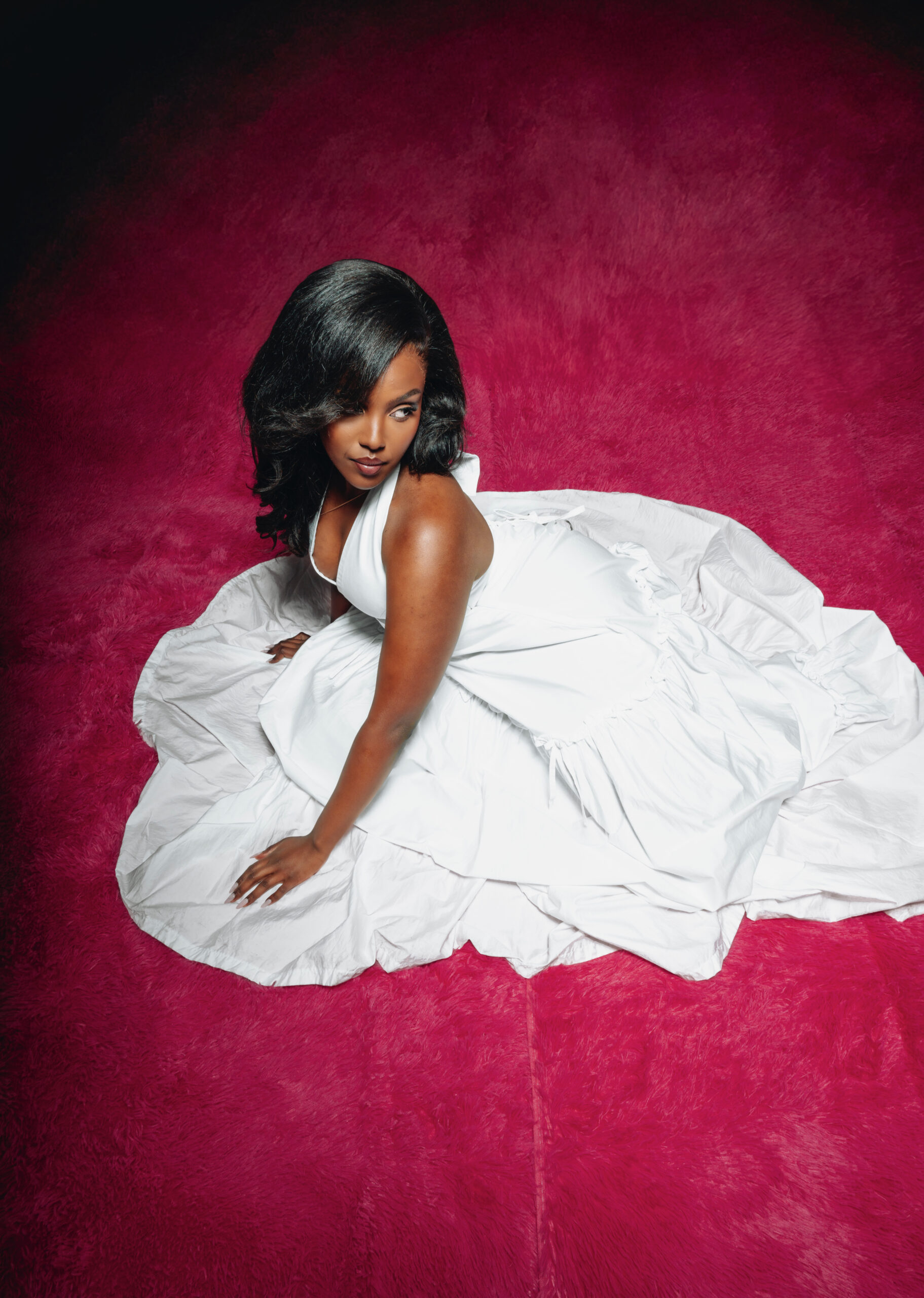
At the tender age of three, Nikita Kering was already captivating audiences, albeit primarily her family members who gathered for celebrations. What started as a child's earnest desire to sing has transformed into one of the most impressive musical careers in Africa today. Now at 24 years of age, the Nairobi-born artist is celebrated as one of Kenya’s national treasures.
Growing up, Nikita honed her skills in school and church choirs, often thrust into the spotlight by her mother, who recognized her daughter's exceptional talent and the need for a larger stage. Her first significant public appearance occurred in 2011 at the album launch of gospel artist Emmy Kosgei, marking the emergence of an artist ready to extend her reach beyond local church gatherings.
Fast forward over a decade, Nikita has established herself as one of Kenya’s most popular female musicians, amassing over a million followers across her social media channels and millions of streams on platforms like Spotify. She has collaborated with numerous artists across Africa, including Fave, Msaki, and Bien, and has graced international stages, such as the BBC 1Xtra Afrobeats concert and Netflix’s Queen Charlotte music campaign. Nikita embodies a new breed of African musicians whose aspirations span both the continent and the globe.
Her ambition, as she expresses it, is straightforward: to achieve the unprecedented and illustrate to youths in Kenya and across Africa that dreaming beyond the ordinary is not just viable, but essential. In this dialogue, she shares insights into her musical process and how her journey began.
Nikita, how are you feeling today?
I’m doing alright. It hasn’t been the greatest month, but I’m filled with gratitude, so I’d say I’m fine.
Can you tell us about your background, childhood, and how it has shaped you today?
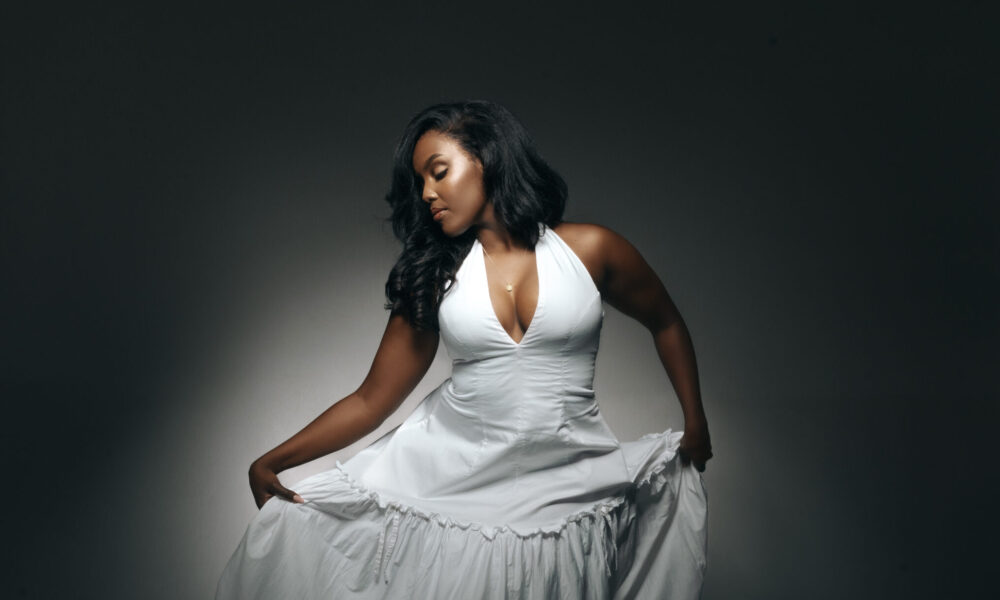
I was raised in Nairobi, where I sang in choirs and often led performances. Living in a gated community provided me with many friends to sing and dance with, which undoubtedly boosted my confidence. My mother quickly identified my singing ability and consistently placed me in front of audiences. By the time I reached my teenage years, I estimate I had performed in over 200 unpaid gigs, all to prepare for the career I am now pursuing.
That sounds like an amazing childhood! Like it was destined for you.
Definitely, you could say that.
Considering your early start in music, what were your first influences, and when did you recognize that music could be your path?
I strictly focused on gospel music growing up, especially with Emmy Kosgei, who performed in my mother tongue and served as a significant inspiration for many young girls, including me. She was an incredible example of navigating the industry and taking on leadership, which motivated me to believe I too could have a voice and lead.
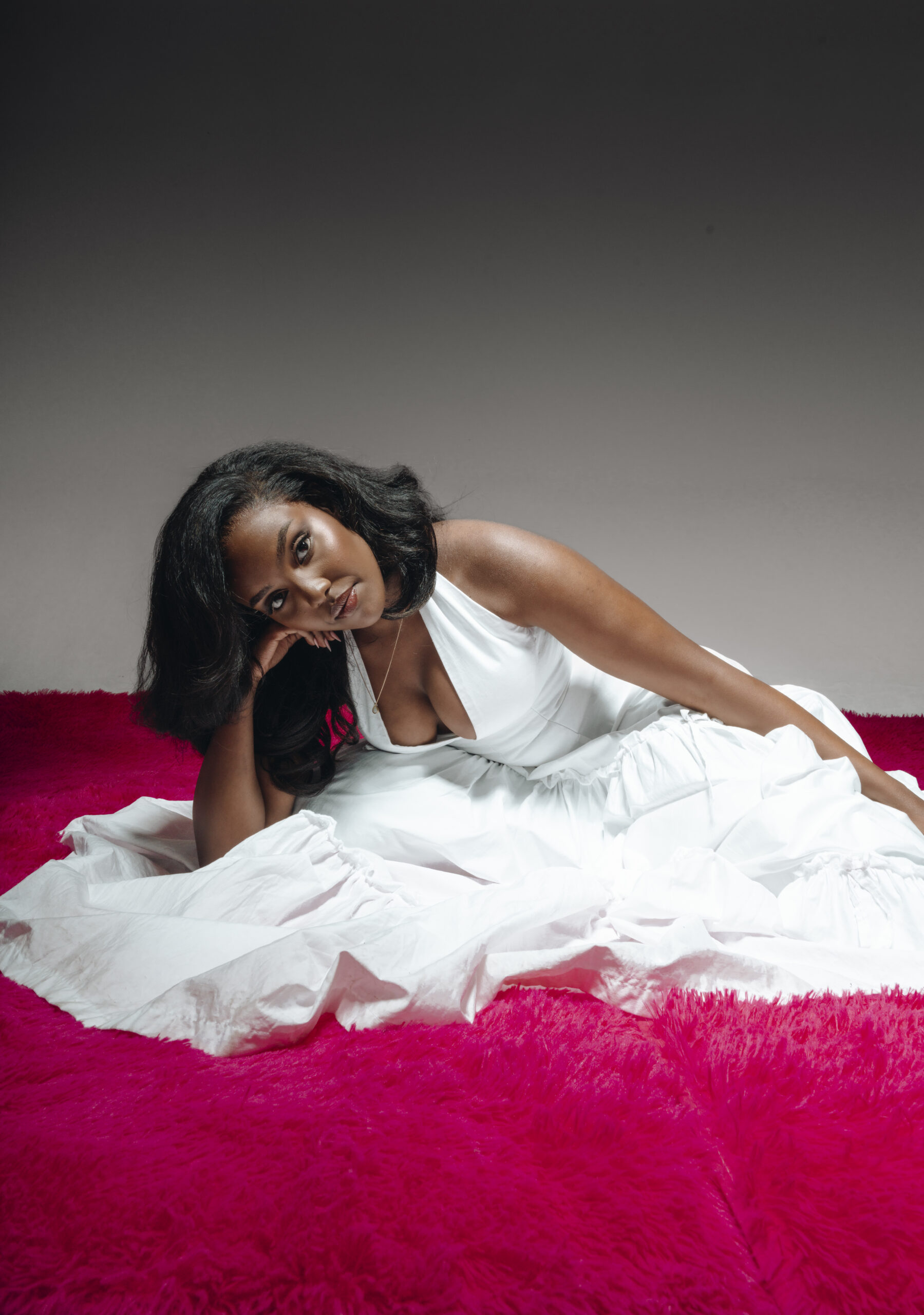
Additionally, I was influenced by Tanzanian artist Rose Muhando, and I also enjoyed music from P-Square, Makoma, and American pop and R&B; artists like Jojo, Rihanna, and Whitney Houston.
If you had to choose an African music idol growing up, who would it be?
That would have to be either Rose Muhando or P-Square.
At such a young age, you’ve accomplished so much. What specific moment are you most proud of?
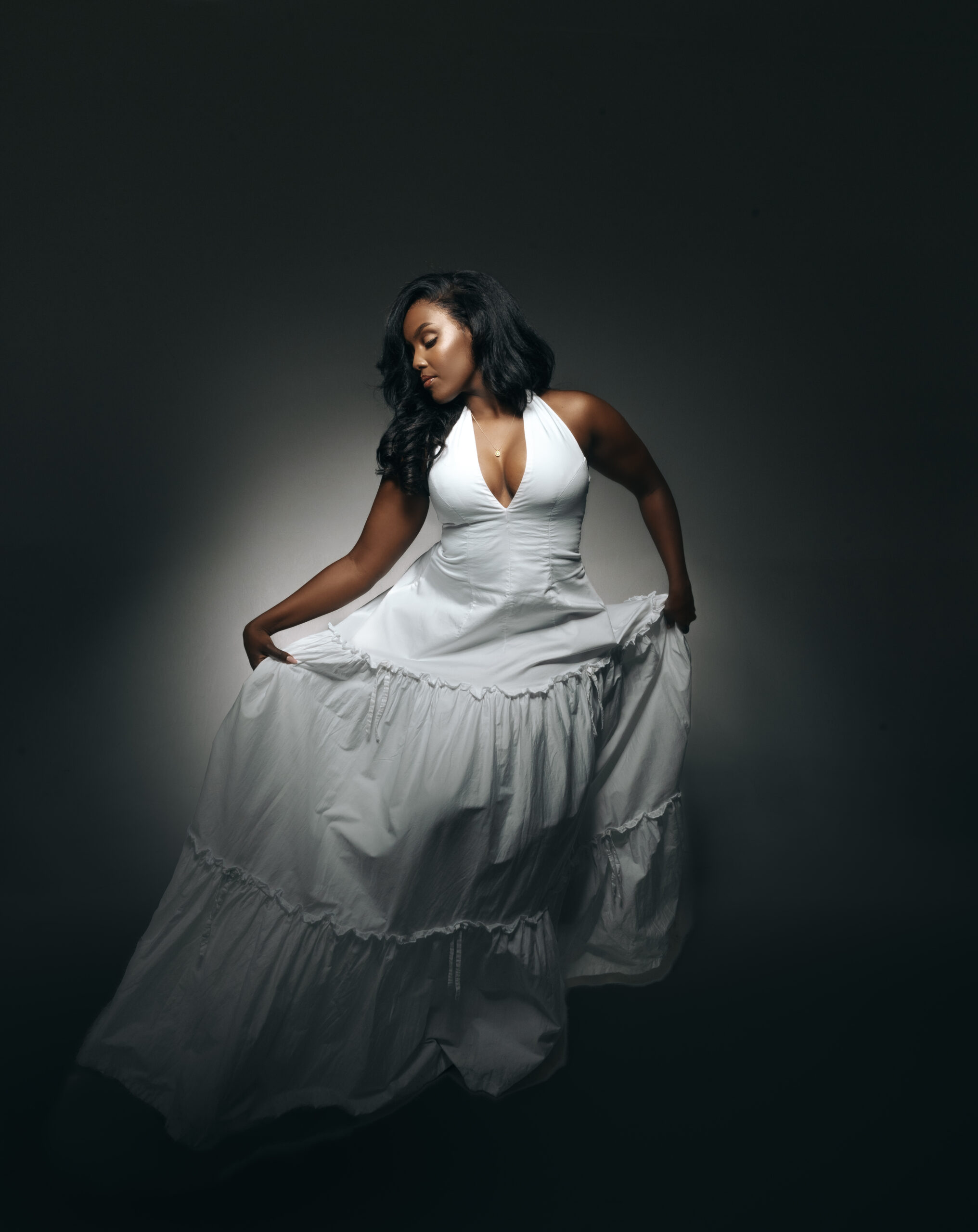
The moment I learned I was going to perform on Coke Studio stands out. I was genuinely surprised because I had always admired the show and dreamed of joining it, even sending in applications.
When I received the opportunity, it felt surreal, almost like it landed in my lap; however, my team had been working hard for that chance, and when Coke Studio reached out, it felt like a significant milestone for me.
What does your songwriting process look like, from initial idea to final song?
My approach varies each time. Often, I start with a melodic idea or a lyrical concept, sometimes while shopping or in the shower, quickly recording it as a voice note. Once I’m back at my piano, I listen to those recordings and begin crafting a story around the idea. After that, I’ll record myself singing on the piano and later present it to the producer in the studio, where they help bring it to life.
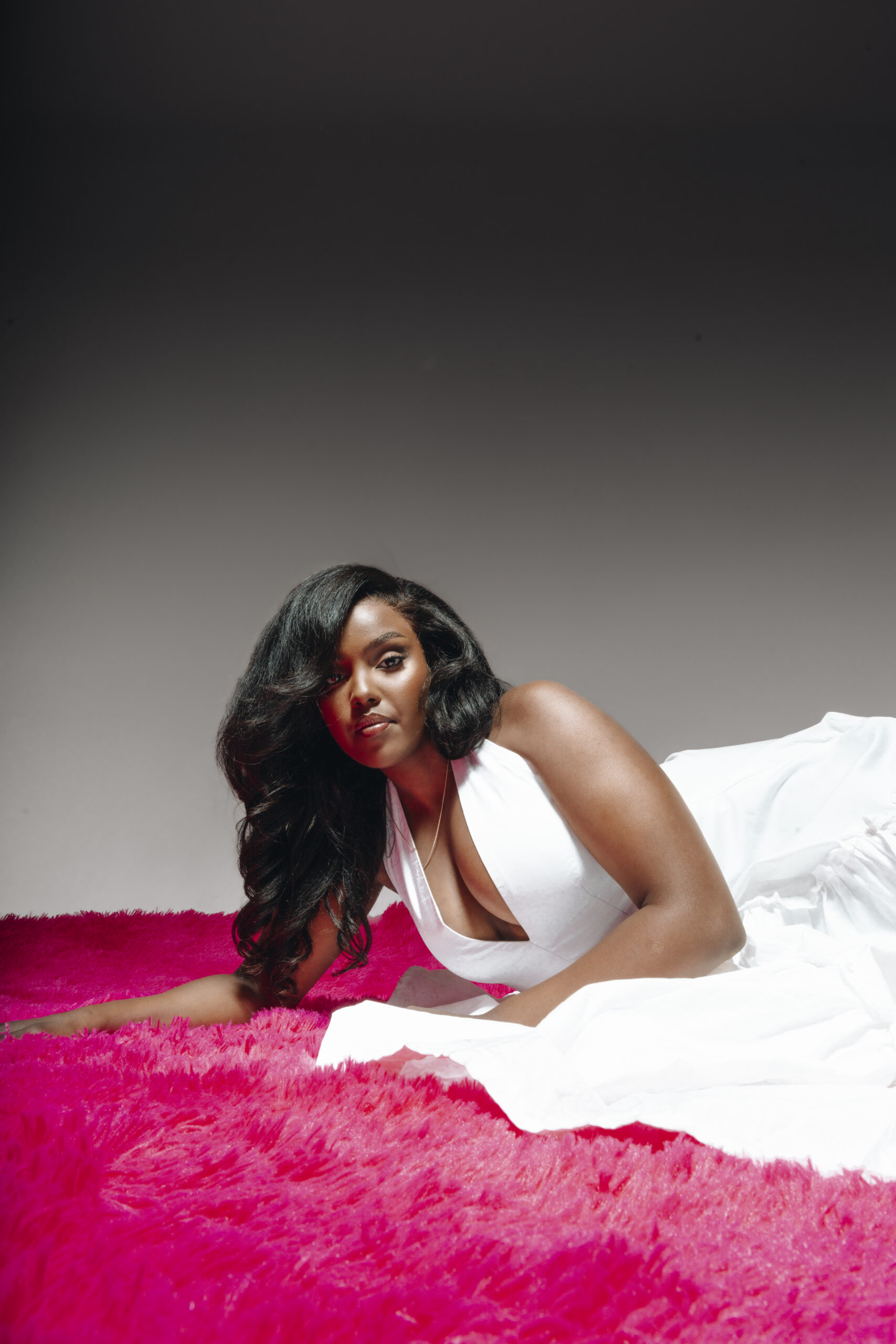
With the ongoing global influence of African music, are there other African artists you'd like to collaborate with in the future?
I would be eager to collaborate with Qing Madi, DJ Maphorisa, and Odeal.
Looking ahead, what is the vision that keeps you motivated?
When I think about the future, I’m less focused on accolades or specific goals but rather on breaking new ground for others in my country to demonstrate that dreams can be realized. It’s essential for young people to understand that they can become superstars regardless of differences and that authenticity is key in their journey.
Thank you for your insights, Nikita. I believe strongly in your vision and what you will achieve for your country.
Thank you for this opportunity.
Comments (0)
You must be logged in to comment.
Be the first to comment on this article!