
The Chief of Mission for the International Organisation for Migration (IOM), Sharon Dimanche, announced that Nigeria has over 3.7 million internally displaced persons (IDPs).
Dimanche attributed this displacement to a combination of conflict, environmental shocks, and the quest for improved economic conditions.
She noted that many individuals were compelled to leave their homes due to these adverse environmental factors.
Speaking at the Edo State Humanitarian and Poverty Alleviation Summit in Benin, themed "Strengthening Systems, Transforming Lives," she emphasized that this number signifies more than mere statistics, portraying the displaced individuals as families striving to regain their lives with dignity and perseverance.
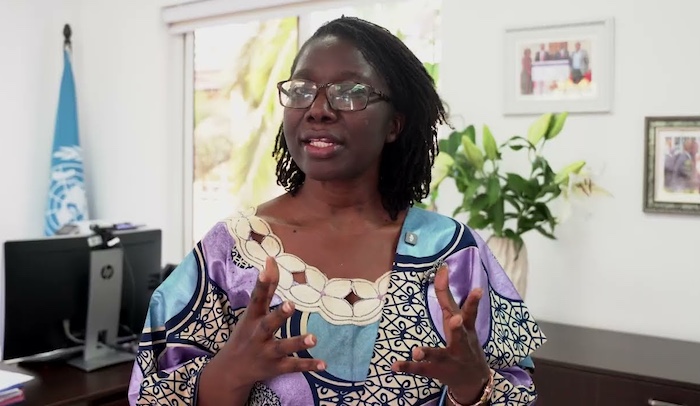
Dimanche highlighted Edo State's pivotal role in Nigeria’s migration dynamics, underscoring the importance of collaborating with the state government as part of the organisation’s migration management framework.
Since 2017, IOM has partnered with the Edo State Government on migration and reintegration initiatives, aiding the return of over 9,000 Nigerian migrants, many of whom have benefited from assistance to help them restart their lives.
She stressed that IOM is actively cooperating with the Nigerian government to tackle the escalating crisis of displacement, in addition to supporting long- term development projects aimed at mitigating vulnerability.
"With the leadership of the government, especially the Honourable Minister of Humanitarian Affairs, we are addressing displacement challenges while also focusing on development-driven solutions," Dimanche remarked.
The IOM elaborated that its interventions in Nigeria are currently centered around three main strategic priorities, the first being the safeguarding of lives and the protection of vulnerable populations impacted by crises.
This encompasses delivering immediate humanitarian support, protection services, and life-saving aid while also establishing pathways for displaced individuals to recover and rebuild.
The second priority is focused on fostering durable solutions to displacement by assisting affected communities in achieving stability through safe return, integration, livelihood opportunities, and the bolstering of resilient communities.
"Nigeria must evolve from merely managing displacement to seeking more permanent solutions," Sharon emphasized, advocating for enhanced coordination among government entities, development partners, and humanitarian organisations.
Additionally, the Minister of Humanitarian Affairs and Poverty Reduction praised the Edo State Government for organizing the summit and for implementing effective measures to support vulnerable populations, including the creation of a digitized social register aimed at improving social protection and ensuring aid reaches those in genuine need.
Comments (0)
You must be logged in to comment.
Be the first to comment on this article!