
Iran is pursuing a nuclear agreement with the United States that offers economic advantages for both nations, according to Iranian officials, as a second round of discussions commences in Geneva.
The ongoing negotiations are intended to resolve long-standing disagreements concerning Tehran's nuclear activities and to avert any potential military confrontations. The US has reportedly dispatched a second aircraft carrier to the region and is reportedly preparing for a prolonged engagement should diplomatic efforts prove unsuccessful.
In Bratislava, Marco Rubio indicated that President Donald Trump favors a diplomatic resolution but conceded that a pact might not materialize. "No one's ever been able to do a successful deal with Iran but we’re going to try," Rubio stated.
Iran's deputy director for economic diplomacy at the Foreign Ministry, Hamid Ghanbari, informed the semi-official Fars news agency that for any agreement to be sustainable, the US must also gain from high-return economic sectors. He mentioned that areas such as joint interests in oil and gas fields, mining investments, and potential aircraft purchases are part of the ongoing discussions.
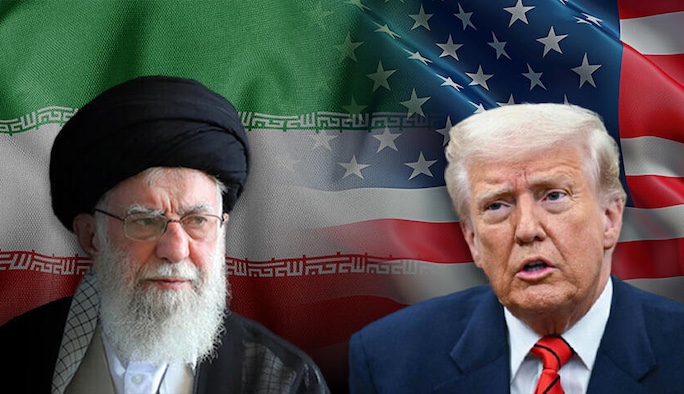
The current dialogue differs from the 2015 multilateral nuclear accord, as it exclusively involves Iran and the US, with Oman serving as the intermediary. Deputy Foreign Minister Majid Takht-Ravanchi highlighted Iran's readiness to make concessions, including diluting highly enriched uranium in exchange for eased sanctions, while retaining some uranium enrichment capabilities.
Iran's Foreign Minister Abbas Araqchi has journeyed to Geneva to participate in indirect nuclear negotiations with US representatives, including envoys Steve Witkoff and Jared Kushner. He is also scheduled to meet with leaders from the International Atomic Energy Agency.
Concurrently, the US is intensifying its economic pressure on Iran. Discussions involving the White House and Benjamin Netanyahu have centered on curbing Iranian oil exports to China, which constitutes over 80% of Iran's oil trade, with the objective of diminishing Tehran's revenue streams.
Iran consistently asserts that its nuclear program is for peaceful purposes and denies any pursuit of nuclear weapons. Conversely, Washington maintains its position that uranium enrichment within Iran poses a risk of weaponization.
Erizia Rubyjeana
Follow us on:
Youtube
Comments (0)
You must be logged in to comment.
Be the first to comment on this article!