
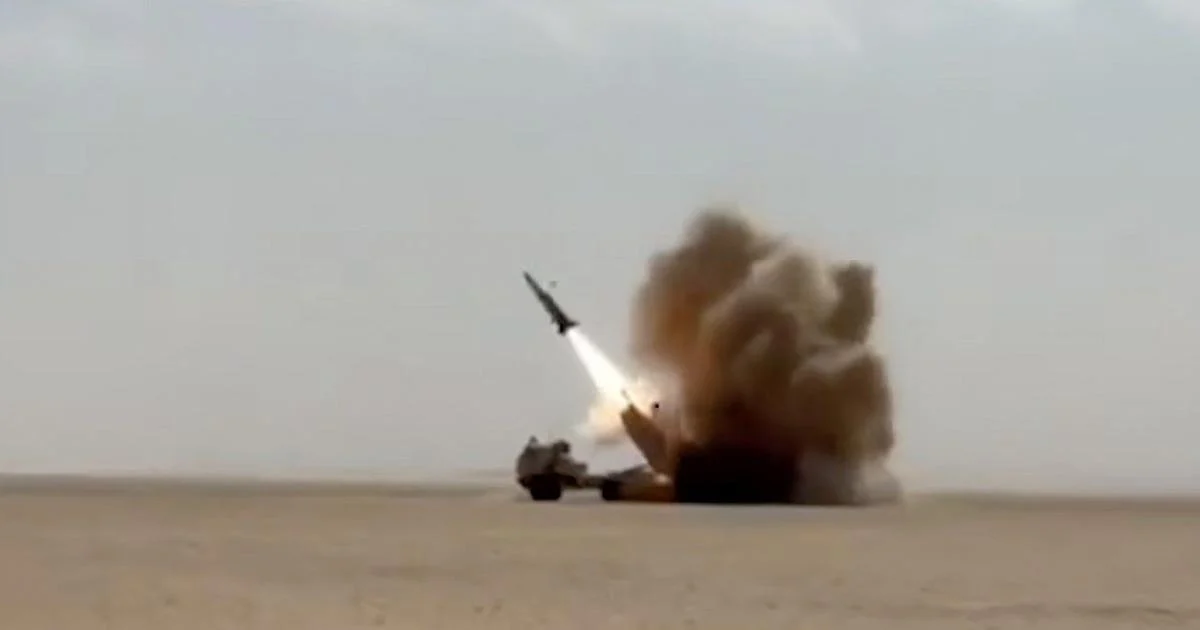
A missile attack orchestrated by Iran has led to injuries among several U.S. service members and damages to aircraft stationed at a military base in Saudi Arabia, according to a U.S. official acquainted with the matter.
The confidential source, who requested anonymity due to the sensitive nature of military affairs, confirmed that the assault on Prince Sultan Air Base utilized both an Iranian missile and unmanned aerial vehicles, resulting in damage to various U.S. refueling planes. The exact number of injured troops and the severity of their wounds remain unclear.
This confirmation, first reported by The Wall Street Journal, follows the release of satellite images that purportedly showcased the damage inflicted on the aircraft.
Additionally, Army Sgt. Benjamin N. Pennington, aged 26, succumbed to his injuries days after being hurt in an earlier attack on March 1 at the same location.
U.S. Central Command had stated earlier that over 300 service personnel have suffered injuries during the ongoing conflict.
On the same day, U.S. President Donald Trump mentioned that there would be an opportune moment for Saudi Arabia and Israel to enhance their ties following the conclusion of the war in Iran.
"It's now time," Trump remarked during an event in Miami sponsored by the Saudi sovereign wealth fund. "We’ve successfully removed them, and it’s substantial. We need to engage in the Abraham Accords."
For years, Trump has been advocating for a normalization of relations between Israel and Saudi Arabia, the two dominant powers in the Middle East, as part of his broader Abraham Accords initiative.
Significant obstacles persist, particularly Saudi Arabia's demand for a credible approach toward establishing a Palestinian state before formalizing business and diplomatic relations with Israel.
In the meantime, the Iranian ambassador to the UN in Geneva announced that Tehran has consented to expedite humanitarian assistance through the Strait of Hormuz, despite ongoing airstrikes on its nuclear facilities.
Ali Bahreini expressed that Iran has complied with a UN request to enable the transport of humanitarian and agricultural supplies through this crucial maritime route, which typically accommodates about 20% of the world's oil exports and nearly one-third of global fertilizer trading.
This aid initiative marks a promising development at the strategic shipping corridor amid a month of conflict. Although the global focus has largely been on obstructed oil and gas supplies, restrictions on the export of fertilizer components threaten agricultural production and food security worldwide.
"This initiative showcases Iran's ongoing commitment to facilitating humanitarian efforts and ensuring timely aid delivery to those in need," Bahreini stated in a post on X. The UN previously announced the formation of a task force to tackle the fallout from the ongoing conflict on humanitarian aid distribution.
Comments (0)
You must be logged in to comment.
Be the first to comment on this article!