
Kenyan courts have formally charged two men with engaging in unlawful wildlife trade after authorities intercepted over 2,000 live ants at the country's primary airport in Nairobi.
One of the accused, identified as Zhang Kequn, a 27-year-old citizen of China, was apprehended at Jomo Kenyatta International Airport as he was preparing to leave Kenya. Official records indicate that immigration officers had previously placed a "stop order" on his passport after he reportedly avoided detention in Kenya the year before.
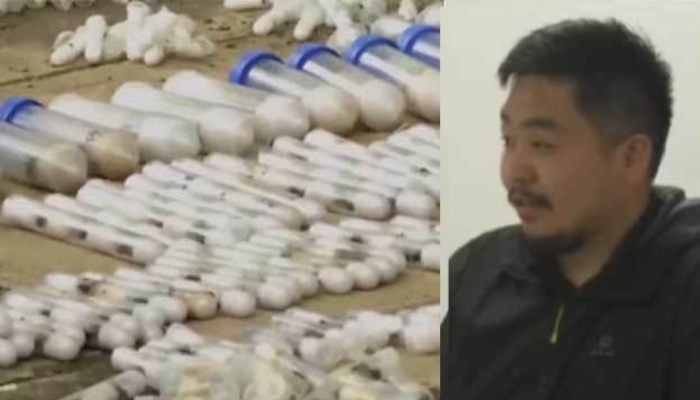
The prosecution also brought charges against a second individual, Charles Mwangi, alleging his involvement in supplying live ants to international smugglers. Authorities have connected Mwangi to an earlier seizure of ants in Bangkok on March 10, a consignment believed to have originated from Mombasa, a coastal city in Kenya.
Both defendants entered pleas of not guilty before Senior Principal Magistrate Irene Gichobi to charges that include engaging in wildlife species commerce without the necessary permit. The court has mandated that they remain in custody while awaiting further proceedings scheduled for March 27.
This case highlights a developing trend in the illegal wildlife market, where rare ant species are highly sought after by collectors and enthusiasts. These individuals often keep the ants in specialized transparent containers, known as formicariums, designed to showcase their complex societal behaviours.
Specialists observe that this incident reflects a broader shift in illicit wildlife commerce, with traffickers now focusing on less commonly targeted species instead of traditional high-value items like elephant tusks.
Last year, a similar situation saw four individuals each fined $7,700 for attempting to smuggle thousands of ants out of Kenya, an event that amplified concerns regarding biopiracy and its potential repercussions on the nation's ecological balance.
Comments (0)
You must be logged in to comment.
Be the first to comment on this article!