
Dr. Martina Ononiwu, an expert in electoral governance, has advised that Nigeria needs to carefully and gradually integrate Artificial Intelligence into its electoral systems to maintain credibility and ensure institutional readiness rather than rushing the process.
In a recent interview with ARISE News, Ononiwu highlighted that while the potential benefits of AI in enhancing electoral transparency and verification are significant, the nation is currently ill-prepared for its comprehensive implementation.
"AI is a tool, not a quick fix," Ononiwu noted, adding that if the basic structural frameworks are fragile, the introduction of advanced technology will not resolve existing issues.
She elaborated that AI can effectively support functions such as voter verification and data validation, but its successful application is heavily reliant on adequate technical expertise and training for personnel involved in the electoral process.
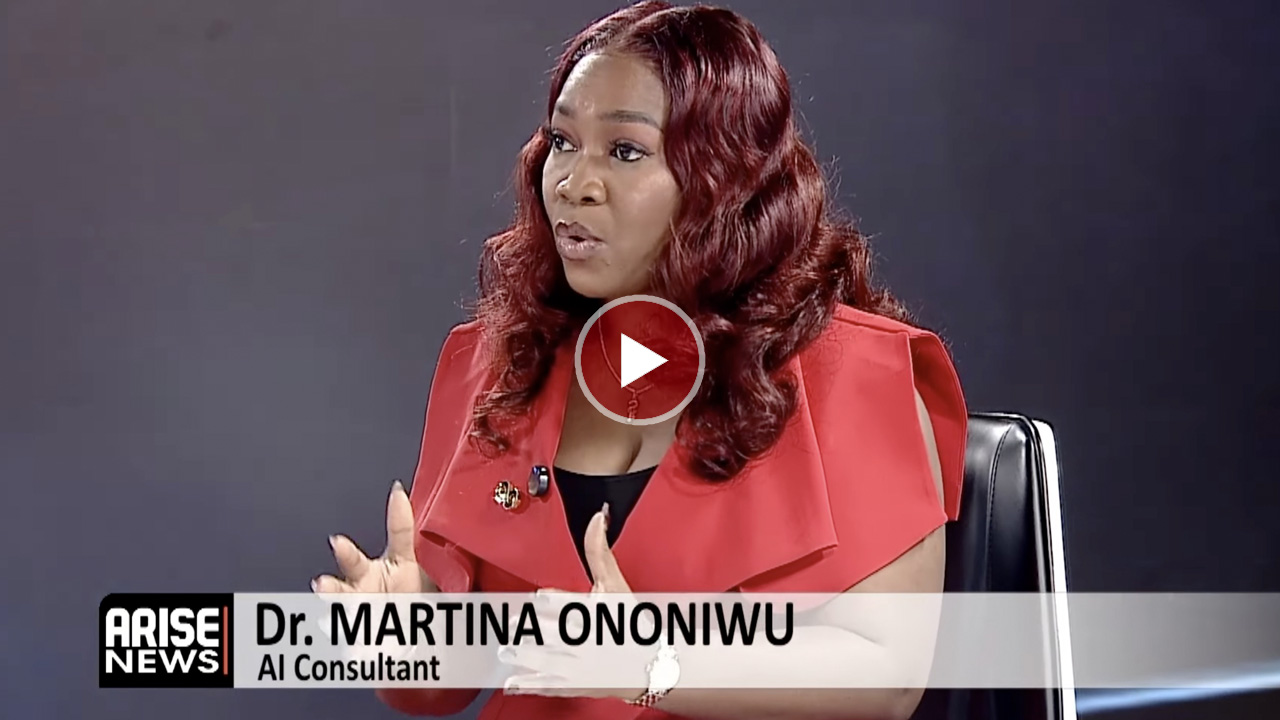
"Introducing AI in a setting where electoral officials lack sufficient training is not feasible," she stated. "Capacity building needs to occur first, as the functionality of technology is directly tied to the skills of its users."
Ononiwu warned against overly optimistic expectations for immediate nationwide AI-enabled result collation, labeling such aspirations as unrealistic in the current context.
"While the idea of real-time results transmission from polling stations sounds appealing, we must acknowledge our limitations regarding infrastructure," she pointed out. "We are not fully equipped for such an ambitious rollout."
According to Ononiwu, a phased approach where AI would complement instead of completely replacing existing systems would be the most practical avenue for Nigeria to explore. "We need a gradual integration strategy," she clarified. "Testing these systems, instilling confidence, training staff, and subsequently scaling up is essential."
She asserted that maintaining credibility should be the ultimate objective of any technological advancements in electoral processes, cautioning that hastily executed implementations could lead to further disputes.
"If the public does not have trust in the system, even the most sophisticated technology may be called into question," she remarked. "Public trust must develop alongside technological advancements."
Ononiwu believes that with focused planning, training, and improvements to infrastructure, Nigeria could achieve broader AI integration within the next few years. "This is not something to be rushed in one electoral cycle," she emphasized. "With steady efforts, we can realistically aim for more comprehensive adoption within two to five years."
She concluded her remarks by stressing that innovations in electoral processes should be motivated by readiness and strengthening institutional frameworks rather than by political urgency. "The ultimate aim is to facilitate credible elections," Ononiwu reiterated. "Credibility stems from preparedness, not haste."
Comments (0)
You must be logged in to comment.
Be the first to comment on this article!