
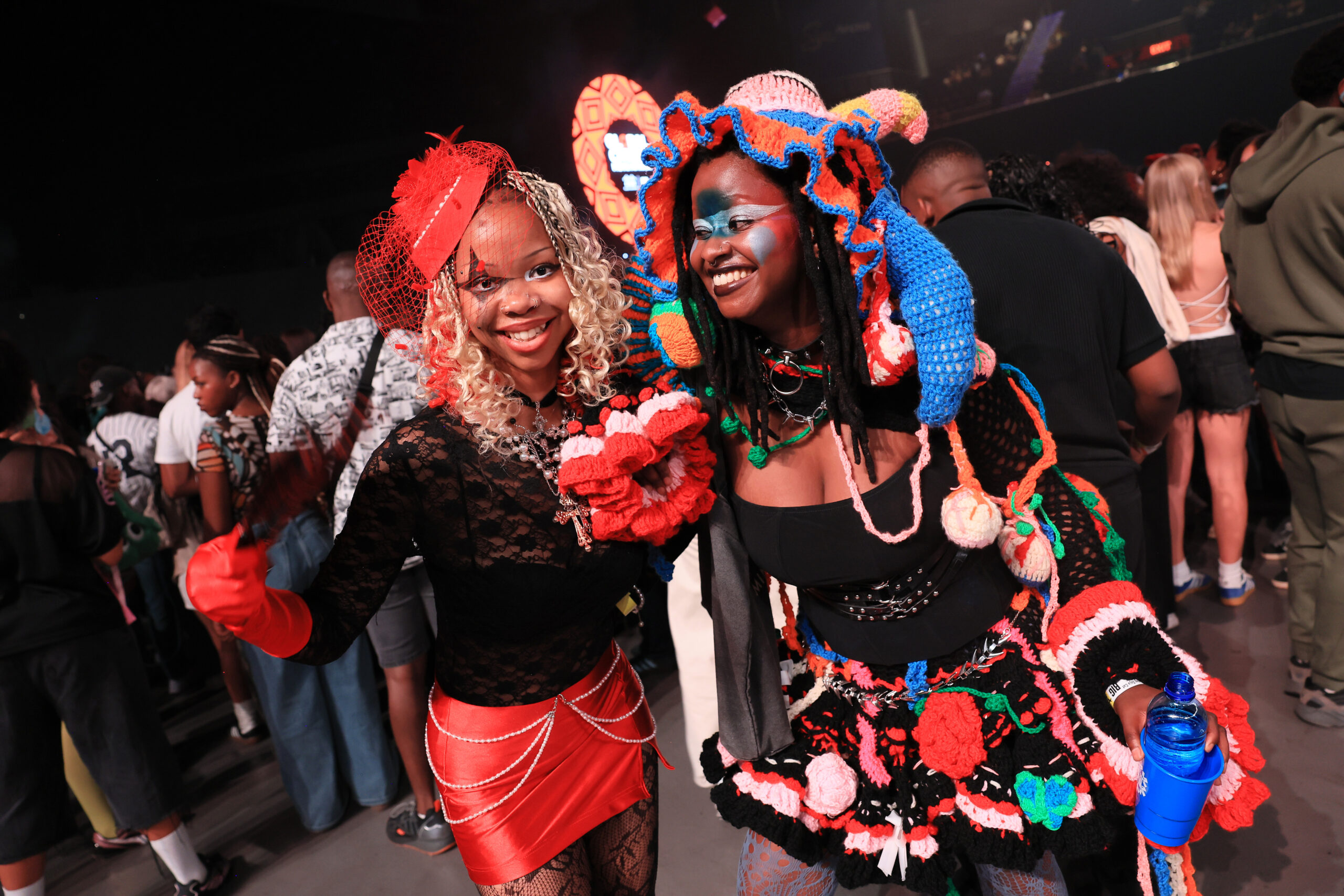
In Pretoria last week, a remarkable event transpired that attendees are likely to discuss long after the last performance. Global Citizen's Move Afrika tour marked its debut in South Africa, with Doja Cat as the headliner, ensuring a grand arrival.
The event carried significant meaning. For Doja Cat, it was her inaugural performance on a South African stage; however, her connection to the nation runs deeper. "It feels like I’ve been here before, even though it's my first time," she expressed to the audience before launching into her hits like "Paint The Town Red," "Woman," and "Kiss Me More." This performance represented a pivotal moment, transcending mere entertainment.
Now in its third year, Move Afrika aims to establish a robust touring circuit for international performers across the continent, partnered with pgLang and Kendrick Lamar. The vision is both straightforward and ambitious: improve infrastructure, create jobs, uplift local artists, and foster more opportunities within the live events sector. Since its inception, the tour has facilitated over 3,000 job openings in cities like Kigali, Lagos, and Pretoria.
In Pretoria, this strategy was actively visible. Collaborating with Big Concerts, the entire production utilized a fully local crew and equipment, demonstrating the potential of South Africa's live event sector when backed by appropriate investments and trust. Local vendor Mushroom Productions significantly contributed to the successful execution of the show.
The initiative particularly benefits young individuals aspiring to join the industry. In cooperation with Gearhouse South Africa Group and the Gearhouse Kentse Mpahlwa Academy, the Youth Technical Production Pathway equipped ten youngsters from Johannesburg and Pretoria, ages 18 to 26, with hands-on training in areas such as lighting, audiovisual systems, and stage rigging. They participated in building Doja Cat’s show, providing firsthand experience of managing such large-scale productions. The program paves the way for accredited training opportunities and sustainable careers in live event production.
Following their time in Pretoria, the initiative will shift focus to Kigali, where a similar vision is developing within a different context. The Kigali leg of Move Afrika, executed in collaboration with Done and Dusted and the Rwanda Events Group, has progressively increased its utilization of local crews—from 75 percent in 2023 to nearly complete localization in 2026. A minor number of international specialists have supported production by offering training and technical assistance.
The ambitious nature of this year’s Kigali production highlighted substantial progress made. All stage materials, including 880 LED panels, were sourced locally, marking one of the most audacious shows ever staged in Rwanda. Furthermore, 98 percent of audio and lighting equipment was sourced from within the country, while 95 percent of rigging was locally provided, cooperating with partners from the UK's Unusual Rigging. Local teams also worked intimately with PRG and Done + Dusted across various production areas.
Emphasizing both safety and operational management, local private security teams underwent enhanced training through a collaboration with Crowd Minders and Global Citizen’s safety team, with Cohort Security Group tailoring a program for over 112 personnel. Training encompassed pit management, backstage security protocols, and scene management, aligned with global standards.
Beyond the technical training, the tour continually opens avenues within hospitality and the broader events landscape. Since 2023, Move Afrika’s alliance with the Harambee Youth Employment Accelerator has trained over 120 youths in Rwanda, offering insights into event production, hospitality, and creative sectors. Some participants have transitioned into paying roles through partnerships with local businesses, including the female-led enterprise The Financial Boutique, which engaged five youth ambassadors in operational roles.
Back in Pretoria, the stage featured local talent alongside international stars, with artists like Moonchild Sanelly and The Joy enhancing the evening’s offerings. This strategy underscores a commitment to placing African performers alongside their international counterparts, rather than relegating them to secondary roles.
Historically, Africa has lingered on the periphery of the global touring map, often excluded from prominent circuits. Move Afrika strives to change this by building frameworks that facilitate large-scale touring, all while delivering the caliber of live shows that audiences expect.
As the music resonated through Pretoria, it became evident that something substantial is underway. While performances attract crowds, it is the foundational systems being developed that will shape future endeavors—and those systems are being constructed in real-time.
Comments (0)
You must be logged in to comment.
Be the first to comment on this article!