
Iran's newly appointed supreme leader, Ayatollah Mojtaba Khamenei, has issued a command for the Strait of Hormuz oil shipping route to remain closed, a directive announced on Thursday, March 12.
Khamenei's proclamation was delivered through a state television broadcaster. He has not yet made a public appearance since being designated as supreme leader the previous Sunday, following reports of injuries sustained in an airstrike.
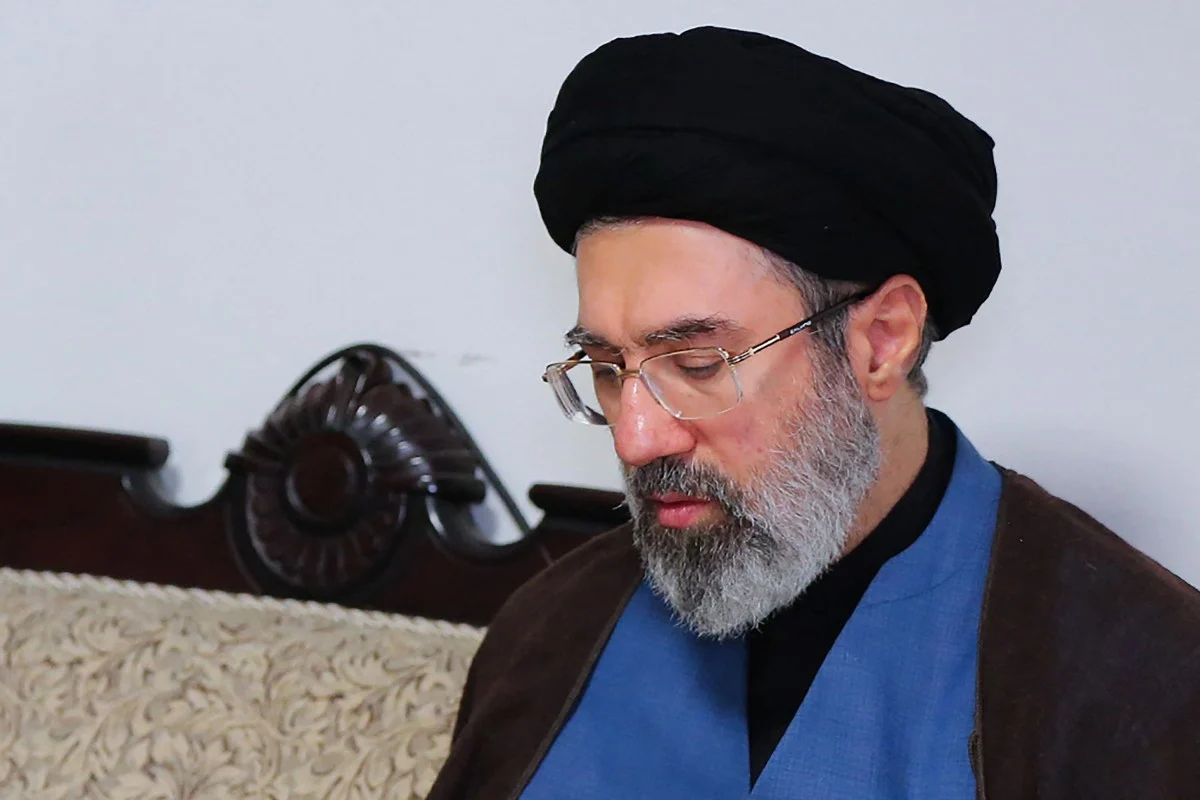
The new leader, whose father, Ali Khamenei, was killed during the initial wave of U.S.-Israeli assaults at the onset of the Middle East conflict, urged Gulf nations to terminate their military agreements with the United States and to uphold the closure of the strategic waterway.
Khamenei asserted, "The lever of blocking the Strait of Hormuz must definitely be used," referring to the critical passage that typically handles a quarter of the world's oil and liquefied natural gas (LNG).
He further remarked that a "limited amount" of Iran's retaliation against American and Israeli strikes has manifested but will remain a priority until fully realized.
On the same day, Iran initiated renewed attacks on Gulf energy installations, which briefly propelled oil prices above $100 per barrel, prompting warnings of a potential major supply disruption in global markets.
Despite these escalating tensions, former President Donald Trump downplayed the situation, conveying via social media that his primary focus remains on preventing Iran from acquiring nuclear weapons and the broader implications for the Middle East and the world.
Comments (0)
You must be logged in to comment.
Be the first to comment on this article!