
International oil prices experienced a notable decrease, dropping below $100 a barrel on Wednesday. Concurrently, stock markets across Asia saw substantial gains, fuelled by optimism that the conflict involving Iran might be nearing an end. This sentiment was bolstered by statements from US President Donald Trump, who indicated a potential US withdrawal from Iran within a "two to three weeks" timeframe, irrespective of any diplomatic resolution.
The announcement provided a significant boost to investor confidence throughout Asia. Japan's Nikkei 225 index experienced a sharp increase, climbing by 4.9%, while South Korea's Kospi saw an even more impressive rise of 8.6% in afternoon trading.
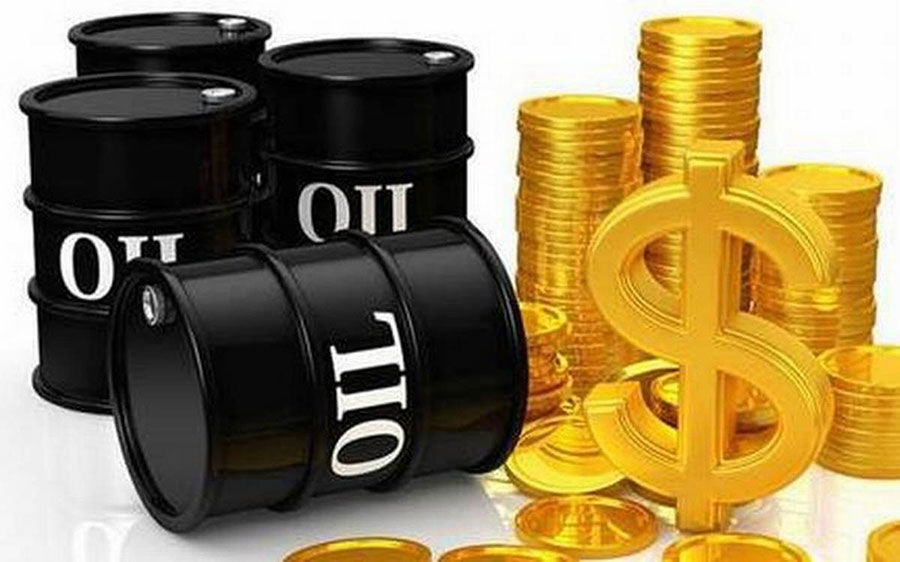
In commodity markets, Brent crude oil for June delivery saw its price decrease by approximately 5%, settling around $98.65 per barrel. This marks a reversal from a dramatic surge in March, when oil prices recorded their largest-ever monthly gain of 64%, driven by anxieties over potential supply disruptions stemming from escalating tensions in the Middle East.
The earlier price spike was partly attributed to threats from Iran concerning vessels traversing the Strait of Hormuz, a critical route for global oil transportation. Concerns regarding a possible blockade had intensified fears of a widespread energy supply shock, reminiscent of market disruptions during the 1990 Gulf crisis.
President Trump, speaking from the Oval Office, commented that Iran was "begging to make a deal," but reiterated that any such agreement would not alter the US withdrawal schedule. "Whether it happens or not is irrelevant," he was quoted as saying.
In response, Iranian President Masoud Pezeshkian stated that Tehran possesses the "necessary will" to resolve the conflict but is seeking assurances against future acts of aggression.
Despite the positive market reaction, the situation in the Middle East remains volatile. Reports of airstrikes in Beirut on Tuesday, which Israel stated were aimed at senior Hezbollah figures, underscore the ongoing instability. Market analysts suggest that recent oil price fluctuations have been influenced by expectations of prolonged conflict into late April, coupled with increased demand from refiners attempting to compensate for shortages in jet fuel and diesel.
Nations such as Japan and South Korea, which are heavily dependent on energy imports from the Middle East, have been particularly sensitive to these market shifts. Their respective financial markets have experienced considerable volatility in recent weeks as investors react to developments in the ongoing geopolitical situation.
President Trump is scheduled to deliver remarks regarding the war on Wednesday evening, as global financial markets continue to closely monitor developments for any indications of further escalation or de-escalation in the region.
Comments (0)
You must be logged in to comment.
Be the first to comment on this article!