
A significant number of cattle, exceeding 80 head, have died in Chafajaule village, situated in the Ribasu District of Fufore Local Government Area, Adamawa State. The fatalities are attributed to the consumption of what is suspected to be poisonous grass.
Reports indicate that the incident occurred after the cattle grazed on a harmful plant, locally referred to in Fulfulde as 'ngayari', which is believed to be wild sorghum. This type of plant often emerges following the initial rains in the region.
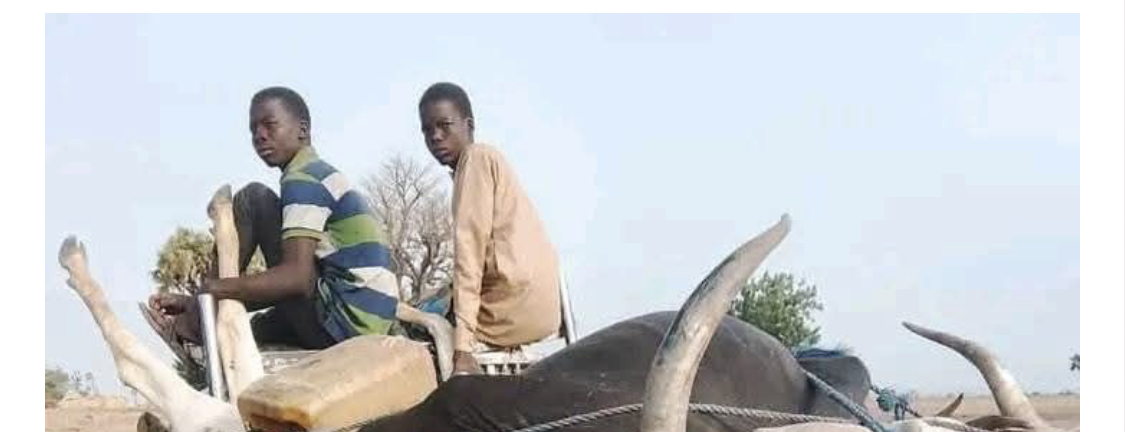
The Director of Veterinary Services in Adamawa State, Dr. Bartholomew Nyalas, confirmed the incident. He stated that the animals likely suffered from cyanide poisoning after ingesting the wild sorghum. He explained that such poisonings are common when cattle consume large quantities of the plant, which can rapidly prove fatal.
Dr. Nyalas urged the public to promptly report any suspected animal diseases to the nearest veterinary offices located across the state's 21 local government areas. This, he emphasized, would enable swift intervention and management of such health crises.
In response, the Commissioner for Livestock and Agricultural Development, Sa’idu Idris, announced that the government had taken immediate measures. These included identifying and destroying the affected cattle at the site of the incident to prevent any potential spread of disease or further harm.
Commissioner Idris assured the public that the situation is now under control, with proactive steps being implemented to protect both livestock and human health. He noted that many of the affected cows were destroyed on-site in Chafajaule, while others were processed at the Jimeta abattoir.
Furthermore, the ministry has dispatched samples of the suspected grass and meat for further laboratory investigation. The Commissioner also commended the swift action of local council staff in Fufore for raising the alarm, which he believes helped save more lives, and appreciated the cooperation received from abattoir staff.
Comments (0)
You must be logged in to comment.
Be the first to comment on this article!