
In an interview, Alhaji Abubakar (Billy) Tafawa Balewa, the grandson of the late Sir Abubakar Tafawa Balewa, who served as Nigeria's first Prime Minister, reflects on the significant moral lessons he gleaned from his grandfather’s life. He considers how his late grandfather’s sacrifices have shaped his own consciousness and contributions to Nigeria's development and expresses hopes for current leaders to learn from his grandfather's enduring legacies.
What do you remember about your grandfather 60 years after his passing?
Despite never having met the late Prime Minister, Billy discusses his extensive knowledge of Nigeria's political history through literature. He characterizes Tafawa Balewa as a voice of moderation, known for his integrity and humble beginnings. He laments that Nigeria, unfortunately, still does not remember him in the same light as regional leaders, reflecting on the continuing calls for Nigeria's disintegration even sixty years post his death.
What moral teachings have you derived from your studies of his struggles during and after Independence?
Billy emphasizes that his reading about his grandfather’s life has imparted several invaluable lessons. He notes Tafawa Balewa's role as a councilor advocating for reform in the traditional governance of Bauchi and his distinguished honor as the sole Nigerian leader to address the United States Congress. His enduring legacy is one of dedication and perseverance, and Billy prays for continued strength to uphold those principles.
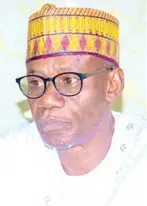
Have you enjoyed any privileges or assistance from either the state or federal government due to your grandfather’s contributions?
Billy shares that while many express envy at his lineage, he views it as more of a burden than a privilege. He has not received any government scholarships or appointments linked to his grandfather’s legacy but holds no resentment, continuing to feel grateful nonetheless.
How do your sentiments influence your contributions towards Nigeria's growth?
Discussing his perspectives on civic contribution, Billy describes a skeptical view of the current political environment, lamenting the contrast with past leaders who sacrificed their lives for the citizenry. He observes that true leadership requires a willingness to stand up for one's country, unlike present-day leaders, who often expect citizens to sacrifice for them, amidst ongoing insecurity and disregard for the rule of law.
Do you participate in familial gatherings, and if so, how often?
He explains that the late Prime Minister had 20 children, 14 of whom are still living, and though many do not reside in Bauchi, the family convenes once or twice annually, usually during significant religious celebrations.
What insights have you accumulated from your grandfather's legacy?
Billy recounts a personal story from his father about attending a football match in Ghana, illustrating the Prime Minister's spirit of diplomacy and composure during tense moments, thus conveying the essence of Tafawa Balewa’s character.
Considering the immense sacrifices made by Tafawa Balewa and his peers, what advice would you offer to Nigerian leaders and citizens?
He reflects on the harmony that existed among historic leaders like Tafawa Balewa and Sardauna, contrasting it with today's divisive politics and selfish interests among contemporary leaders. Billy emphasizes that true leadership necessitates a readiness to make sacrifices for the common good rather than pushing citizens to do so.
What is your current vocation?
Billy describes his role as an activist in politics, underscoring the financial barriers to entry in modern politics while also pursuing farming, much like his grandfather. He expresses hope for a better future, noting that day of reckoning will eventually come for those who misuse their power.
Comments (0)
You must be logged in to comment.
Be the first to comment on this article!