
As a mother to three young children all under the age of three, my mornings commence at 5 a.m., with little respite until late in the evening. My day begins with tending to my family’s needs before I shift my focus to official work, despite my thoughts often drifting back to my family's care and meal planning. When work hours conclude, the role of motherhood fully engulfs me: I engage in storytelling, mediate sibling disputes, assist with homework, and use the last bits of energy I can muster. Each day concludes only to cycle back again.
Navigating life as a working mother starkly contrasts romanticized ideas of motherhood. Society often depicts the ideal mother as someone who has remarkably balanced family and professional life—a modern-day superwoman. Yet, her reality is filled with organized chaos. She grapples with the task of meal preparation when ideas escape her, copes with endless house chores, and caters to children who depend on her incessantly. In addition to this, she manages financial obligations and unfinished work tasks, all pulling her in multiple directions.
Within her psyche, love, duty, and fatigue contend for space. Presently, pressures from Nigeria's economy add an unavoidable layer to this equation.
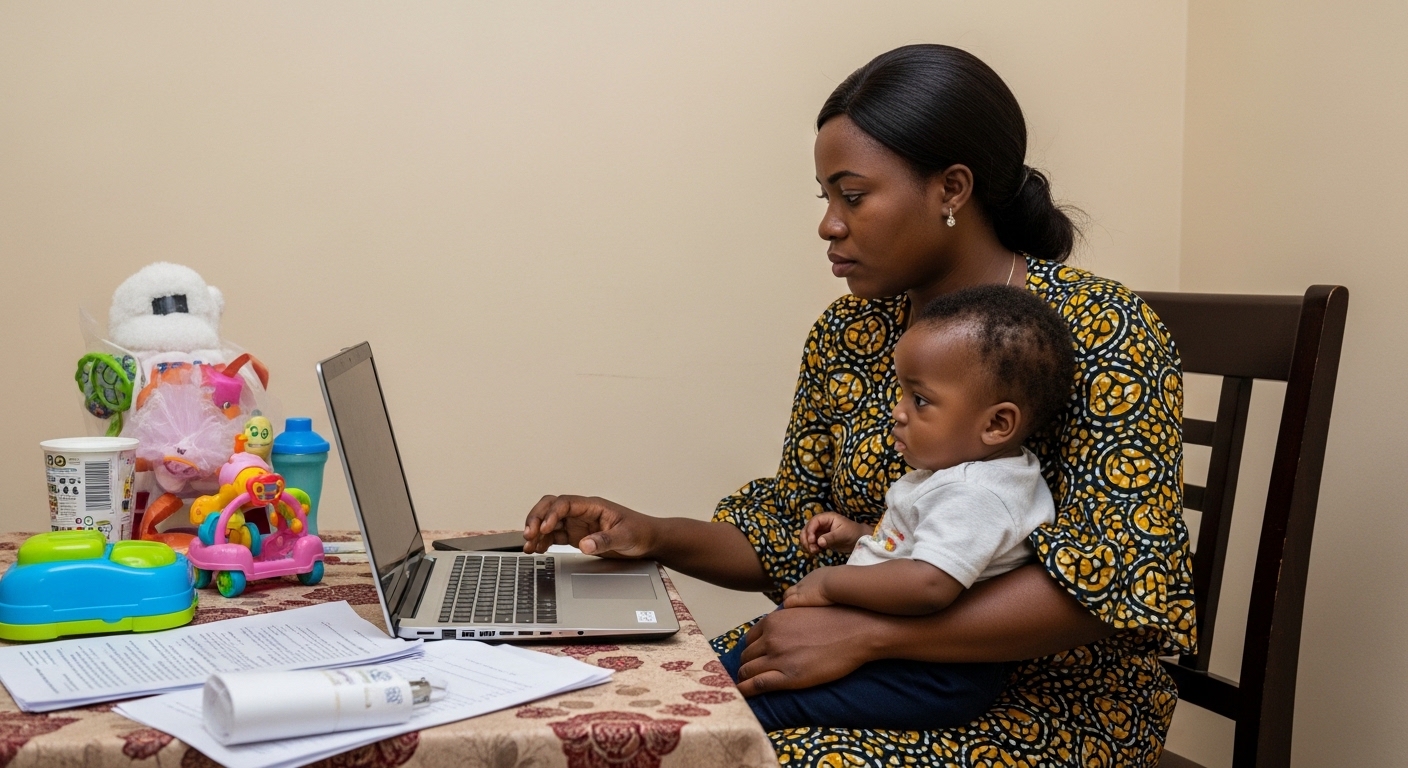
The daily balancing act
In a culture where women are traditionally expected to prioritize home and family, stepping into a corporate role can feel like an act of defiance. The challenge transcends simply excelling; it includes the need to assimilate, gain recognition, communicate, validate one’s contributions, and disrupt longstanding gender norms.
Both implicit and explicit cues in the workplace suggest that women might not belong there entirely. With the onset of motherhood, these challenges intensify further. Experiences such as pregnancy and childbirth are often tragically seen as professional setbacks rather than significant life milestones. Many women feel that their worth diminishes once they transition into motherhood, as maternity leave is viewed as “time off for idleness,” leading to a withdrawal of responsibilities, not because of incapacity but under the presumption of “you’re now a mother.” Some may even face recommendations to step back into less challenging positions, often disguised as concern yet filled with unspoken bias.
The scrutiny persists outside professional settings too. Societal expectations often target working mothers for their decisions. If a mother chooses to send her child to daycare, she may be reproached for an assumed fragile bond due to lack of time spent together. Similarly, enrolling a two-year-old in school might bring warnings about overstressing a child who should be ‘playing at home.’ Guilt follows relentlessly. Daily, questions loom: Is it truly worthwhile? Although the idea of stepping back often seems appealing, bills and responsibilities anchor them back to reality. Consequently, working mothers cultivate resilience; they endure snide comments and navigate inappropriate behaviors, all the while striving to put forth their best efforts each day amid overwhelming adversities.
Rethinking strength
When the weight of being a working mother feels heavy, I reflect on women who are far less fortunate than I am. I think of single mothers, those with unsupportive partners, or those earning meager wages. I envision the immense load they bear, the fatigue they endure, and the silent tears shed in solitude, yet they still step into the world daily, ready to take on challenges. Their strength motivates and emboldens me.
Perhaps true strength for a working mother is not anchored in perfection or equilibrium but is rooted in the ability to persist. It lives in the steadfast routine of showing up every day, despite fatigue and a lack of reward. For the Nigerian working mother, strength is not loud—it is experienced each day through quiet determination and purpose.
Comments (0)
You must be logged in to comment.
Be the first to comment on this article!