
Staff members at Seplat Energy, which stands as Nigeria's largest indigenous oil and gas company, have commenced an indefinite industrial action. This development raises concerns about potential interruptions to production, occurring at a crucial juncture for the country's energy industry.
The work stoppage began on Friday and involves members of the Petroleum and Natural Gas Senior Staff Association of Nigeria (PENGASSAN). The action was triggered by a failure to reach an agreement concerning a collective bargaining deal for 2026 and other staff welfare matters.
According to two letters addressed to the company's Chief Executive Officer and reviewed by Reuters, the union has indicated that the industrial action will persist "until further notice."
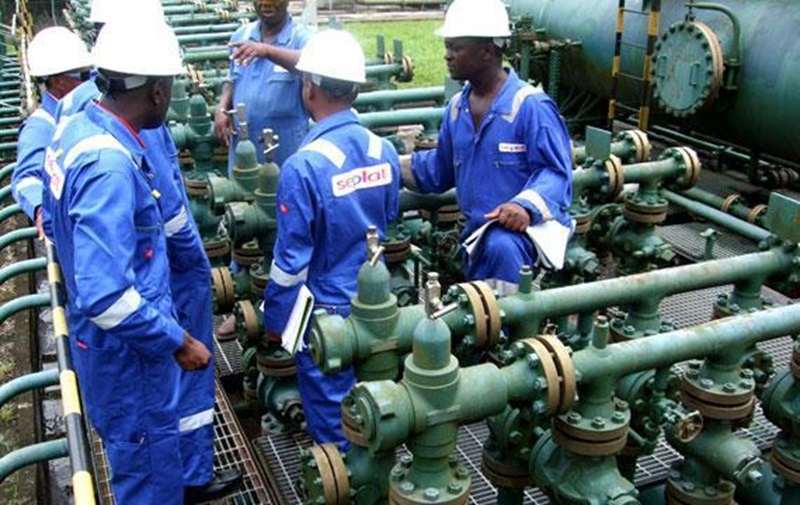
Seplat Energy has not yet provided an immediate comment in response to requests for clarification.
PENGASSAN has stated that its members will cease most operational activities, including the reporting of production figures and export procedures. However, they will maintain essential services related to safety and power generation.
The strike impacts Seplat's onshore and offshore operational sites, its joint venture operations, and its offices across Nigeria. It is important to note that a separate union representing junior staff members is not participating in this industrial action.
In the year 2025, Seplat Energy recorded an average production rate of 131,506 barrels of oil equivalent per day. This output represented approximately 7% to 9% of Nigeria's total liquid production for that period.
The company had previously projected an increase in its production levels to 155,000 barrels of oil equivalent per day. Therefore, any prolonged cessation of operations could have a significant impact on Nigeria's supply forecasts.
As the leading oil-producing nation in Africa, Nigeria faces considerable pressure to enhance its crude oil output. This pressure is amplified by factors such as increasing global oil prices, the nation's fiscal requirements, and the potential contribution from new refining capacities like the Dangote refinery. Consequently, maintaining stable production and export flows is of paramount importance.
Faridah Abdulkadiri
Comments (0)
You must be logged in to comment.
Be the first to comment on this article!