
The ancient Greek playwright Aeschylus is often quoted for his assertion that "in war, truth is the first casualty." This notion remains strikingly pertinent in today's geopolitical climate, particularly amidst the rising tensions involving Israel, the United States, and Iran. While military actions dominate the news, a quieter yet relentless struggle unfolds—a battle for narrative and public understanding.
In contemporary conflicts, information has taken on a significance that rivals traditional military resources. Nations and their allies actively vie for dominance in shaping international opinion, curating narratives that not only validate their actions but also undermine their opponents. Official declarations, meticulously prepared media briefings, and strategic leaks serve to influence perspectives both at home and abroad.
Today, the most significant platform for disseminating these narratives is social media rather than conventional media outlets. Sites such as Facebook, X, WhatsApp, and TikTok have empowered countless individuals to share information instantly, often without thorough verification or proper context.
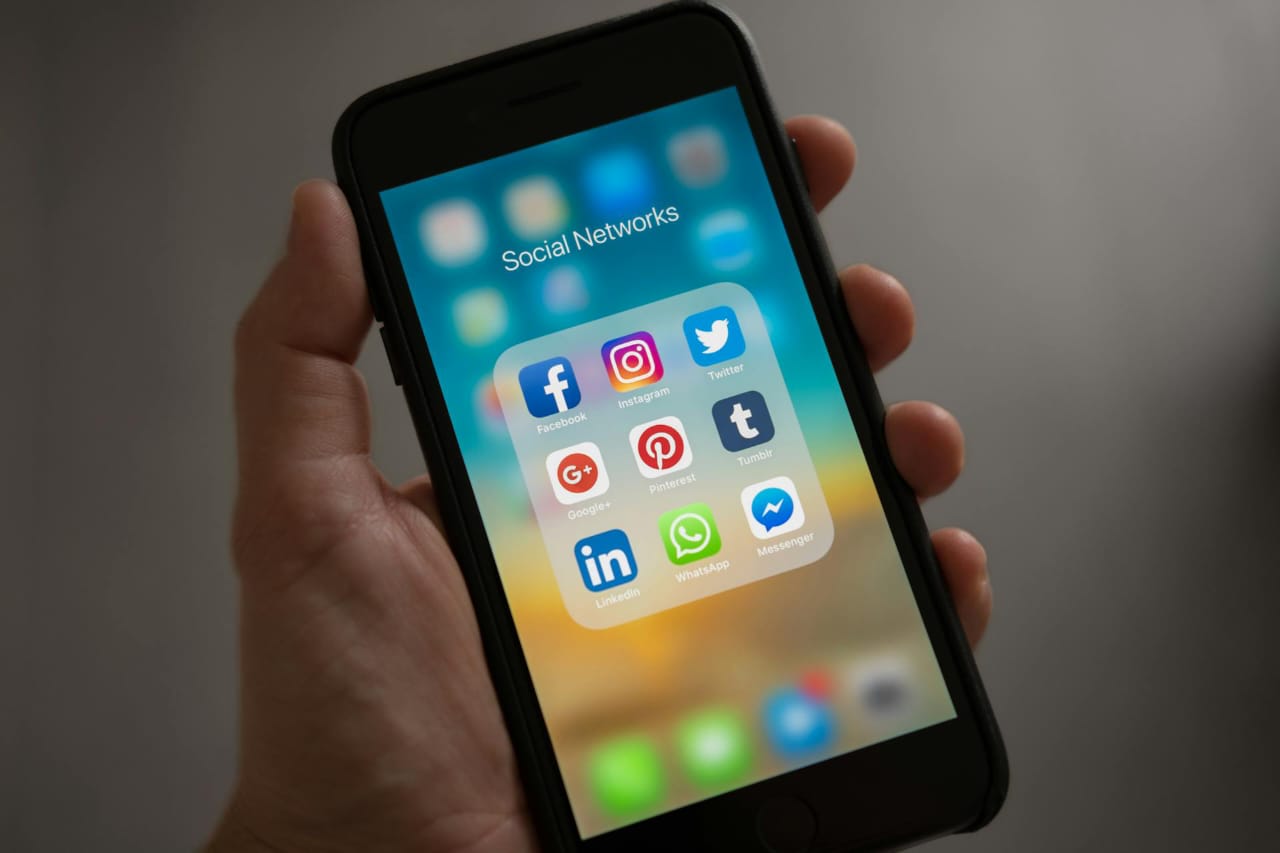
In Nigeria, where social media usage has surged over the past decade, global issues are increasingly transmitted through these digital networks. Content, including images and videos about foreign conflicts, is widely circulated on smartphones and computers nationwide. Unfortunately, much of this material is shared devoid of essential context, veracity, or confirmation. An old video from a previous conflict might re-emerge as purported new evidence from an ongoing battle, while edited footage or sensational claims can swiftly ignite emotional responses among viewers who lack the means to verify their authenticity.
Consequently, many unsuspecting individuals fall prey to misinformation and disinformation. Well-intentioned citizens might propagate concerning posts under the guise of spreading awareness, inadvertently amplifying propaganda originating from thousands of miles away. This highlights how the conflict extends into the everyday digital lives of average Nigerians.
This issue transcends mere academic discourse. The fallout from misinformation can provoke genuine consequences; it has the potential to escalate religious and political tensions, exacerbate divisions, and distort public comprehension of intricate international matters. When fabricated narratives gain traction, they may shape the perceptions of entire communities or nations, often inciting hostility based on unfounded premises.
In Nigeria, a nation characterized by its diversity and its strong cultural and religious ties to the Middle East, susceptibility to such emotional manipulation is pronounced. Visuals or stories connected to conflicts involving Israel, the United States, and Iran can resonate deeply with various demographic segments, frequently eliciting fervent reactions before the realities are fully understood.
Therefore, media literacy and responsible communication are more critical today than ever. The citizenry must cultivate the habit of pausing prior to forwarding viral content, verifying sources before disseminating dramatic videos, and acknowledging that not all information circulating online is factual. Responsible journalism and credible news organizations must also play a pivotal role in distinguishing fact from misinformation.
Ultimately, despite the conclusion of wars and the signing of treaties, historical accuracy will be pieced together over time. Yet, during periods of conflict, the obscurity created by misinformation can prove just as perilous as the weapons wielded on the battlefield.
For Nigerians navigating the complexities of the digital era, the imperative is clear: in a landscape where information races ahead of the truth, a watchful stance is essential. If truth is indeed the first casualty of war, it falls upon every informed citizen to ensure its protection.
Comments (0)
You must be logged in to comment.
Be the first to comment on this article!