
American President Donald Trump, alongside key members of his administration, has reiterated their influence over the ongoing discourse surrounding the recent US military operations against Iran, in response to remarks from Secretary of State Marco Rubio. Rubio indicated that Washington acted preemptively, anticipating an Israeli military engagement, which has led to criticism from both Democrats and parts of Trump's base.
Democrats have voiced their concerns, stressing that the power to declare war constitutionally resides with Congress. Rubio's comment that US officials were aware of Israel's plans has ignited controversy within these groups.
"We knew there was going to be an Israeli operation," Rubio stated on a Monday. "We recognized that this would lead to attacks on American personnel, and we were aware that not acting preemptively could result in increased casualties."
These statements fueled conjecture that the US might have been maneuvered into a conflict due to Israeli actions rather than proceeding autonomously.
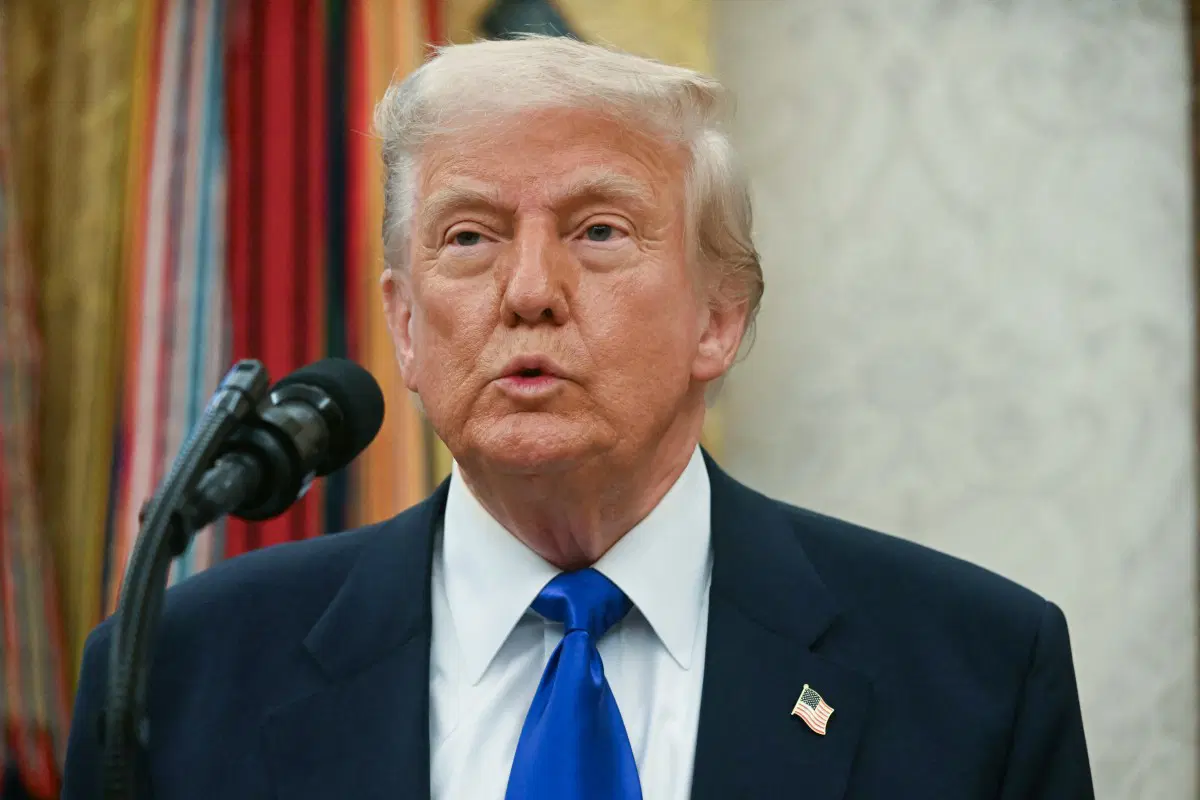
In a swift rebuttal, the White House responded to these claims. Press Secretary Karoline Leavitt asserted that Trump was not coerced into taking military action.
"No, Marco Rubio Didn’t Claim That Israel Dragged Trump into War with Iran," she clarified in a post on X.
During an Oval Office gathering with German Chancellor Olaf Scholz, Trump reaffirmed that the military actions were founded on US intelligence assessments and stalled negotiations with Iran regarding their nuclear program.
"Given the state of the negotiations, I believed they (Iran) were poised to strike first. I wanted to prevent that from happening," Trump explained. "In fact, my actions may have compelled Israel to act."
The military strikes signify one of the most serious escalations in the ongoing tensions between the US and Iran in recent times. The relationship between Washington and Tehran has been fraught for decades, primarily revolving around Iran's nuclear aspirations and its backing of proxy groups in the region. Israel, led by Prime Minister Benjamin Netanyahu, has been a staunch advocate for a firmer approach against Iran, citing security threats amid allegations of missile and nuclear developments.
Rubio reiterated that the military action was unavoidable. After a briefing with Congress members, he asserted: "I assured you this was necessary to occur. The decision made by the president was that Iran would not be permitted to conduct attacks while hiding behind defensive operations."
Critics, however, have pointed out that the changing rationale from the administration has heightened confusion and raised constitutional questions. Several lawmakers argue that Congress was not adequately consulted prior to the military strikes.
As the United States nears pivotal midterm elections that could influence Congressional control, the political implications are significant.
Senator Tom Cotton came to Trump’s defense during an appearance on “Fox & Friends,” asserting, "No one compels Donald Trump to act; he operates with the national security interests of the United States in mind."
However, there is growing dissent within the Republican Party as well. Representative Marjorie Taylor Greene expressed on X her concern that the nation is increasingly polarized between those advocating for military interventions abroad and those prioritizing domestic economic challenges.
Comments (0)
You must be logged in to comment.
Be the first to comment on this article!