
In a significant global decision, the United Nations General Assembly approved a non-binding resolution on March 25, 2026, that labels the transatlantic slave trade as the "gravest crime against humanity." The resolution garnered 123 votes in favour, with 52 countries abstaining and three voting against it.
Ghana spearheaded the motion, receiving robust backing from the African Union and the Caribbean group of nations (CARICOM). The United States, Israel, and Argentina were among the nations that voted against the resolution. The majority of abstentions came from European Union member states, with the United Kingdom and Canada also abstaining.
The initiative, championed by Ghanaian President John Dramani Mahama, aims to promote "reparatory justice." This includes calls for formal apologies, the return of cultural artifacts, and compensation for historical injustices.
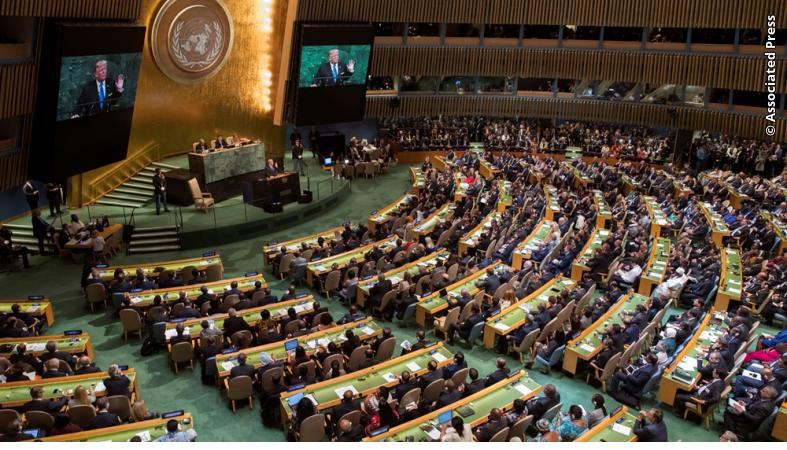
This vote represents a historic milestone for the United Nations and a crucial development in human history. The transatlantic slave trade forcibly transported approximately 12 million Africans as property from various parts of Africa to the Americas. This practice led to the depopulation of entire regions in Africa and was marked by extreme brutality from the point of capture, through the arduous journey, to the plantations in the Americas. It is estimated that a vast number of the 12 million victims died from torture, violence, and disease over the centuries.
Slavery fundamentally dehumanized Africans, treating them as property rather than human beings and denying them basic rights. It eradicated any sense of their humanity and granted slave owners unchecked power to inflict immense cruelty with impunity. Furthermore, slavery fueled conflicts, poverty, and underdevelopment across Africa by destabilizing communities and removing young, fit individuals, thereby depleting societies of the vital members needed for future progress.
The profound and lasting damage inflicted on the psyche of Africans and people of African descent by slavery and its associated horrors is undeniable. The repercussions of this brutal system continue to be felt by its victims in Africa and the African diaspora to this day.
Advocacy groups and individuals have for years presented evidence of the atrocities committed during slavery and argued for recognition of the victims on international platforms without significant progress. It is remembered that Nigeria's late Chief M.K.O. Abiola was a prominent advocate for reparations, undertaking extensive campaigns in numerous countries to no avail.
Ghana's success through President Mahama in elevating this issue to the highest level of global attention and action is a remarkable achievement, meriting commendation for his perseverance. This effort also stands as a fitting tribute to his Pan-Africanist ideals, echoing the legacy of his fellow Ghanaian, Osagyefo Kwame Nkrumah.
Conversely, it is regrettable that Nigeria, which often positions itself as the "giant of Africa," and from which Chief Abiola hailed, appears to have made minimal contribution to this significant historical development. Given that a substantial portion of enslaved people originated from Nigeria, the nation should have been a vocal proponent of this vote. The perceived lack of meaningful contribution from Nigeria reflects a concerning decline in its standing within Africa.
Moreover, America's opposition to the resolution is a significant disservice to the 50 million African Americans who are descendants of slaves. While the United States frequently promotes itself as a champion of human rights and global dignity, its vote on this matter was a missed opportunity. As the primary beneficiary of slavery and the site of the most egregious injustices against enslaved Africans, America could have powerfully demonstrated its repudiation of these past wrongs. As the world's preeminent power, an affirmative vote from the U.S. would have greatly bolstered efforts to rectify ongoing injustices faced by descendants of slaves in America and across Africa.
Following the adoption of the resolution, the focus now shifts to African nations pursuing the recommended issues of reparations. While these actions cannot fully compensate for centuries of suffering caused by slavery, the resolution should be celebrated as a moral victory for humanity, acknowledging the courage to confront and recognize this dark chapter in human history.
Comments (0)
You must be logged in to comment.
Be the first to comment on this article!