
The United States and Iran are set to hold meetings in Oman on Friday, February 6, in an effort to reduce mounting tensions, as reported by a regional official speaking to Reuters.
Following a request from Tehran, the location of the meeting was shifted from Turkey, with Iran insisting the conversations be confined strictly to its nuclear program.
According to the official, Iran advocated for Oman as the venue to maintain continuity with earlier nuclear negotiations held there, which is intended to avoid discussions expanding into other contentious issues, such as its ballistic missile capabilities. Iran has repeatedly emphasized that its missile capabilities are a non-negotiable issue and has ruled out making any concessions on this front.
Tehran has also openly stated that it would utilize its missile arsenal to defend itself should its security be jeopardized, noting that it has bolstered its missile stockpile following an attack attributed to Israel last year.
The regional official, who requested anonymity, noted that from the outset, Iran has maintained its position to only partake in discussions centered around its nuclear operations, while the U.S. has sought to broaden the agenda to include additional concerns.
Escalating tensions between the two nations have been evident in recent days, particularly after the U.S. downed an Iranian drone and armed Iranian vessels approached a U.S.-flagged ship in the Strait of Hormuz. These episodes have heightened fears of a potential military confrontation.
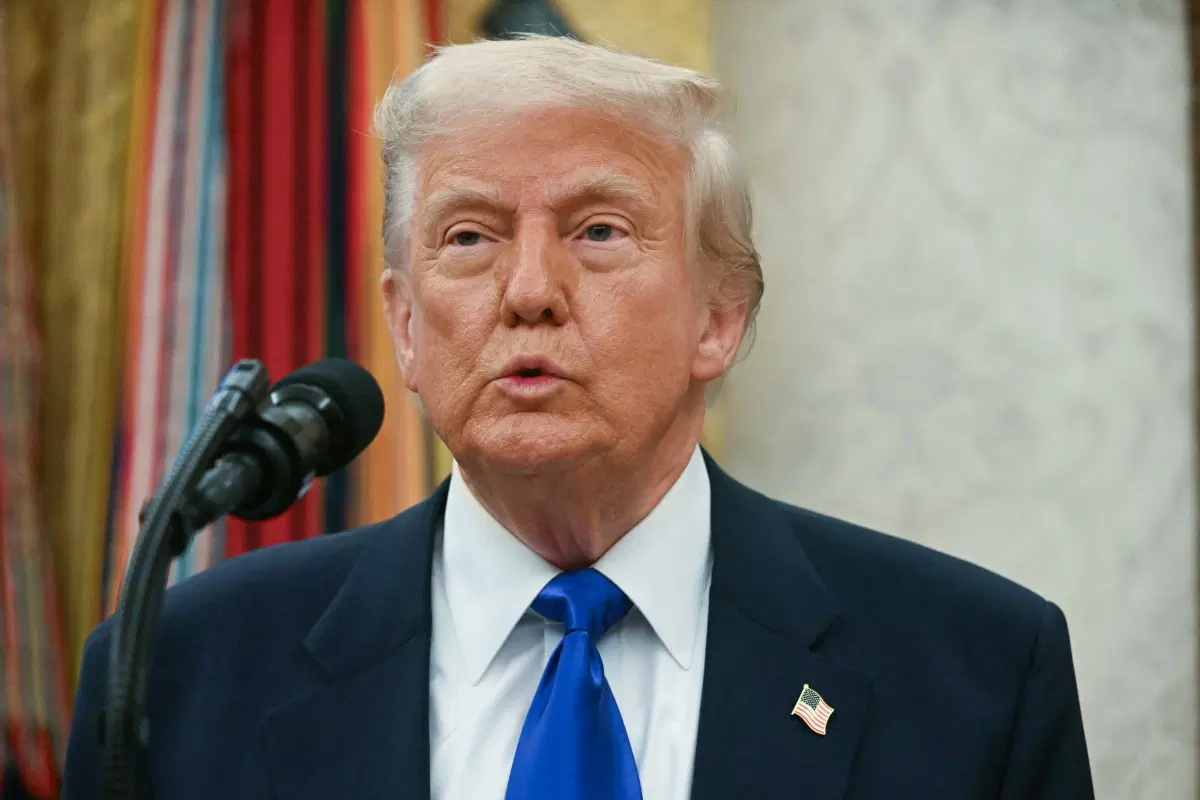
U.S. President Donald Trump has cautioned that “bad things” may occur if an agreement is not reached, which adds pressure in a standoff characterized by reciprocal threats of airstrikes and anxiety over a larger conflict.
Earlier this week, the U.S. military confirmed having downed an Iranian drone that aggressively approached the USS Abraham Lincoln aircraft carrier in the Arabian Sea. Trump later mentioned to reporters at the White House, “We are negotiating with them right now,” although he refrained from providing specifics regarding the dialogue or its parameters.
Sources close to the situation indicated that Trump’s son-in-law, Jared Kushner, is anticipated to participate in the meetings along with U.S. Special Envoy Steve Witkoff and Iranian Foreign Minister Abbas Araqchi. Initial expectations had included participation from ministers of several regional nations, but Iran has insisted on maintaining a bilateral discussion format with Washington only.
These discussions unfold amid intensified U.S. military operations in the Middle East, prompted by Iran's violent response to anti-government demonstrations last month, which have been characterized as the deadliest since the 1979 revolution. Additionally, the U.S. has augmented its naval presence near Iran’s coastal waters as Trump continues to apply pressure on Tehran for nuclear negotiations.
Comments (0)
You must be logged in to comment.
Be the first to comment on this article!