
An analysis conducted by the Washington-based think tank, the Centre for Strategic and International Studies (CSIS), has revealed that the current U.S. military actions against Iran are costing approximately $890 million per day, illustrating the substantial financial burden associated with the conflict's initial stages.
The report suggests that within the initial 100 hours of 'Operation Epic Fury,' aimed at Iranian military assets, about $3.7 billion has been expended, averaging nearly $891.4 million on a daily basis.
These figures highlight the considerable financial toll of the conflict, not taking into account the future costs related to troop deployments, equipment replacement, and post-war reconstruction.
According to the CSIS report, a significant portion of the early expenditures is attributed to the deployment and utilization of advanced military technologies, including precision-guided missiles, aerial support, naval operations, and missile defense systems.
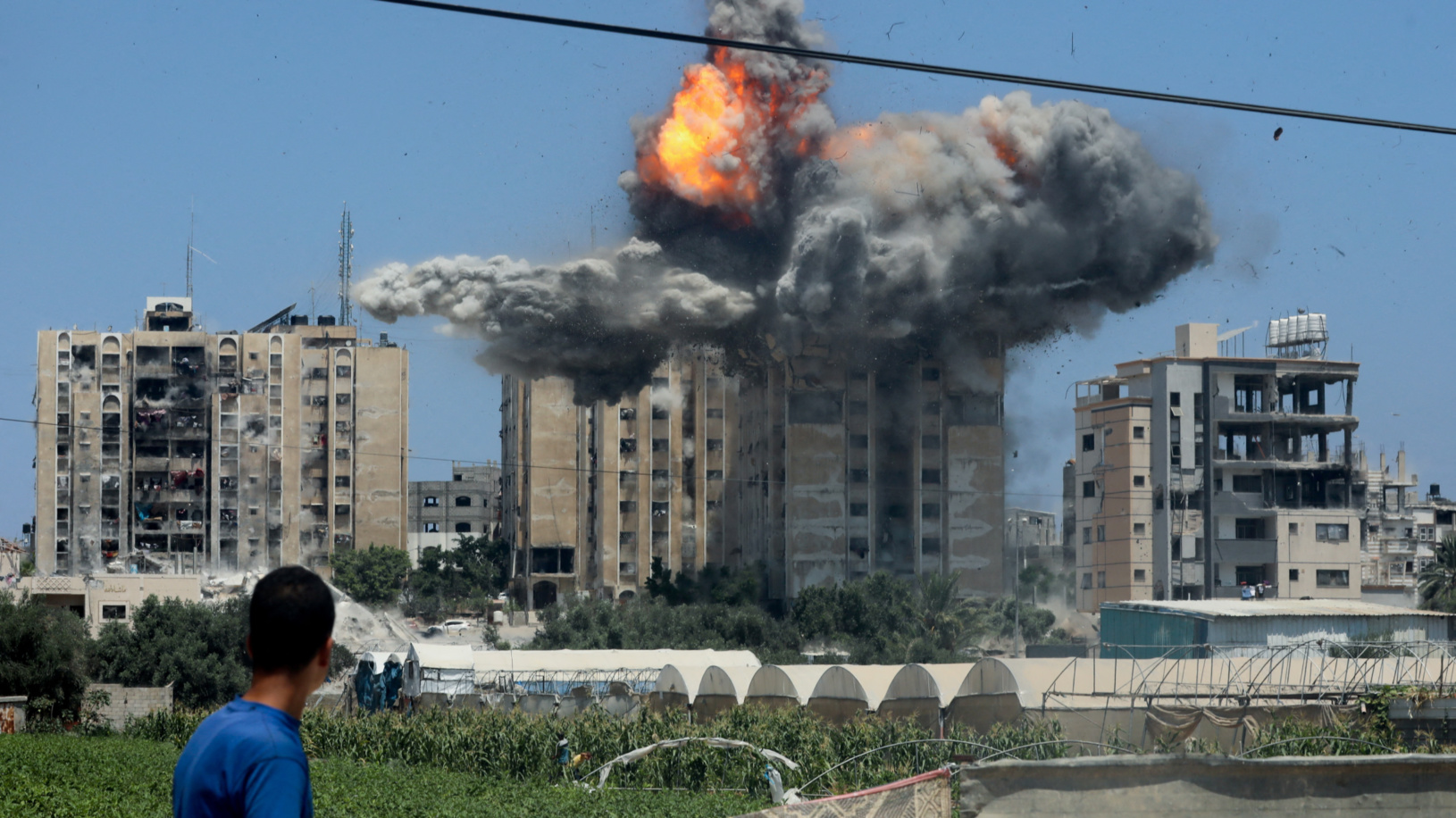
The early stages of this operation have proven particularly costly as modern military conflicts increasingly depend on high-value armaments and advanced weapon systems. Analysts have indicated that U.S. forces utilized thousands of precision munitions during the initial strikes against Iranian targets, which included ballistic missile installations, air defense mechanisms, and naval facilities.
Military officials note that the first days of the campaign are often the most intense, demanding swift mobilization of forces and extensive use of sophisticated weaponry.
Experts caution that, although expenses might moderate as the operations transition to less intense engagements, the overall financial burden could escalate dramatically should the conflict extend over time.
The offensive commenced amidst rising tensions in the Middle East, resulting in nearly 2,000 strikes against Iranian targets within the initial 100 hours of the operation. Reported targets include missile launch sites, drone deployment areas, military bases, and naval resources.
Such a broad military operation necessitates a significant buildup of resources, involving aircraft carriers, long-range bombers, fighter jets, and thousands of personnel deployed throughout the region.
According to analysts, this scale of mobilization will inevitably escalate operational costs, especially with the extensive use of advanced military capabilities such as stealth aircraft, cruise missiles, and missile defense systems.
Moreover, the Navy and Air Force are executing continuous operations in the Persian Gulf and adjacent regions, leading to increased use of fuel, maintenance supplies, and ammunition. The financial impact is compelling the U.S. Department of Defense to seek additional funding from Congress to maintain the ongoing campaign and restock depleting munitions.
Defense authorities report that the Pentagon has already allocated billions for interceptors, missiles, and bombs deployed during the initial strikes against Iranian forces. Estimates suggest that the first four days of military action alone have incurred costs nearing $11 billion, inclusive of the deployment of naval vessels and aircraft to the Middle East. A significant number of interceptors used to intercept Iranian drones and ballistic missiles have also been utilized, further straining U.S. military supplies.
To resolve this shortfall, the Pentagon is reportedly urging defense manufacturers to expedite the production of weapons, such as Patriot interceptors, Tomahawk cruise missiles, and other precision munitions. However, manufacturing capacity limitations and supply chain challenges could impede rapid replenishment of stockpiles.
While the CSIS report estimates the daily expenditure at around $890 million, other analysts predict the real figure could increase substantially as the conflict progresses. Some defense specialists suggest that the overall financial repercussions, factoring in lost equipment, emergency resources, and heightened military readiness, could elevate daily costs surpassing $1 billion.
Comments (0)
You must be logged in to comment.
Be the first to comment on this article!