
The International Criminal Police Organisation (Interpol) has disclosed that law enforcement agencies have apprehended 651 suspects and recovered more than $4.3 million during a significant crackdown on online fraud across various African nations, notably Nigeria and Kenya.
In a press release dated Thursday, February 19, 2026, the operation, dubbed Operation Red Card 2.0, occurred from December 8, 2025, to January 30, 2026. It specifically targeted high-yield investment scams, mobile money fraud schemes, and fraudulent loan applications.
The operation's investigations revealed scams responsible for over $45 million in financial losses, with 1,217 victims primarily located in Africa.
According to the stated announcement, "Law enforcement agencies across 16 African nations have conducted 651 arrests and confiscated over USD 4.3 million in a coordinated international cybercrime initiative against online fraud."
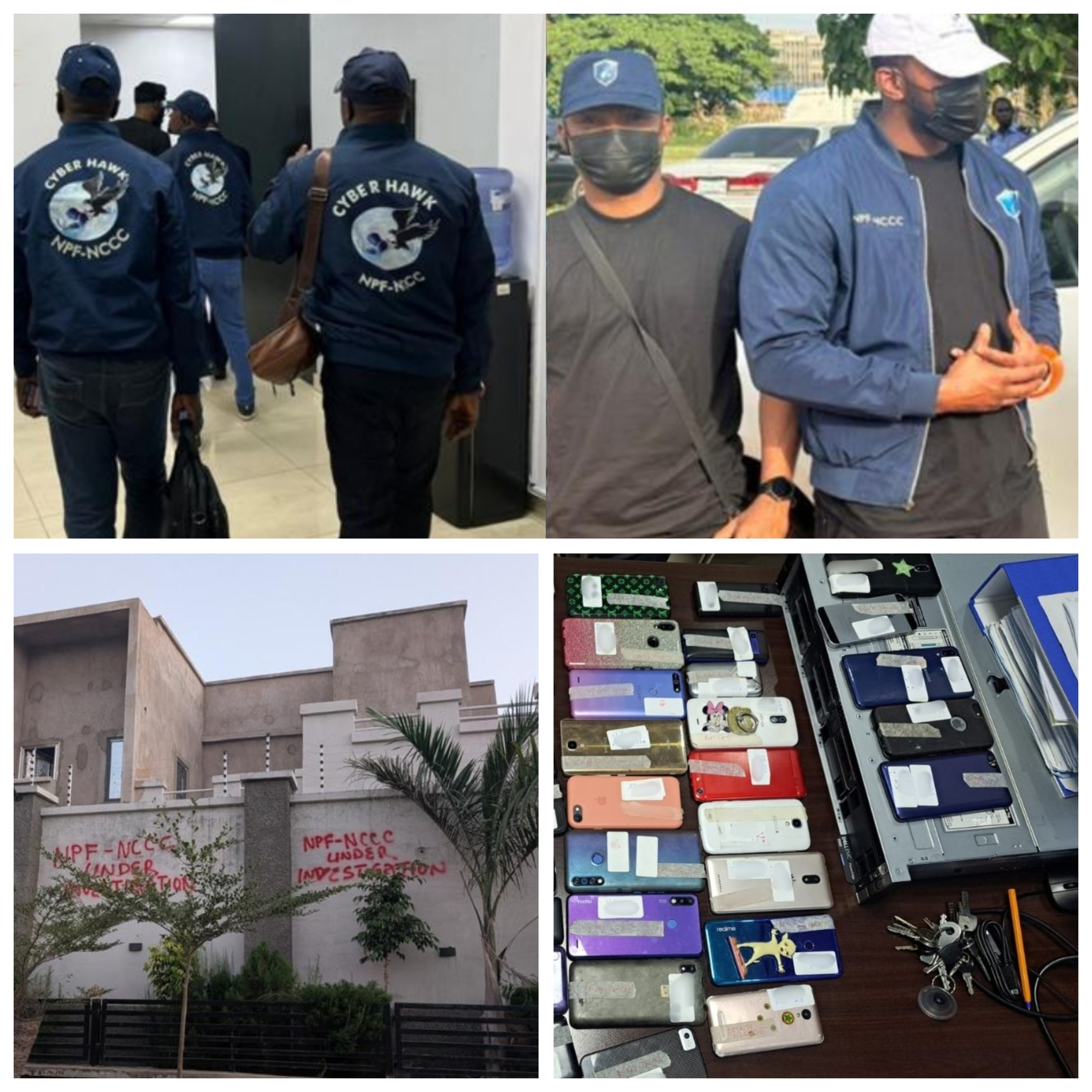
Operation Red Card 2.0, which ran from December 8, 2025, to January 30, 2026, aimed at dismantling the infrastructure supporting high-yield investment scams, mobile money fraud, and fake loan applications.
Throughout the eight-week initiative, investigators discovered scams linked to an estimated $45 million in losses, also identifying 1,247 victims, mainly from Africa but also hailing from various other global regions.
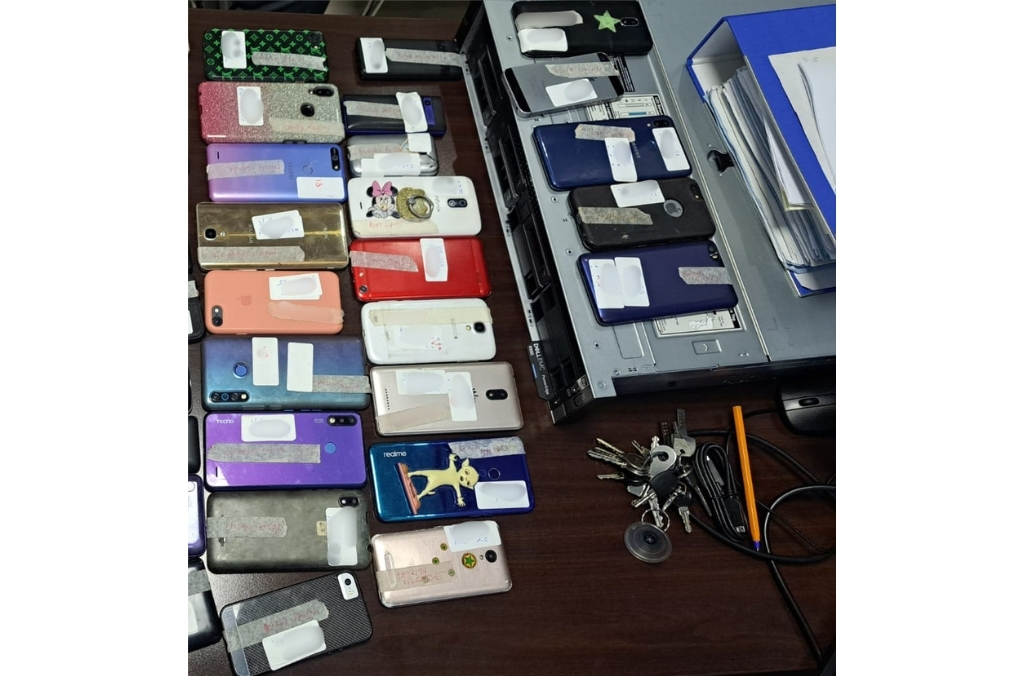
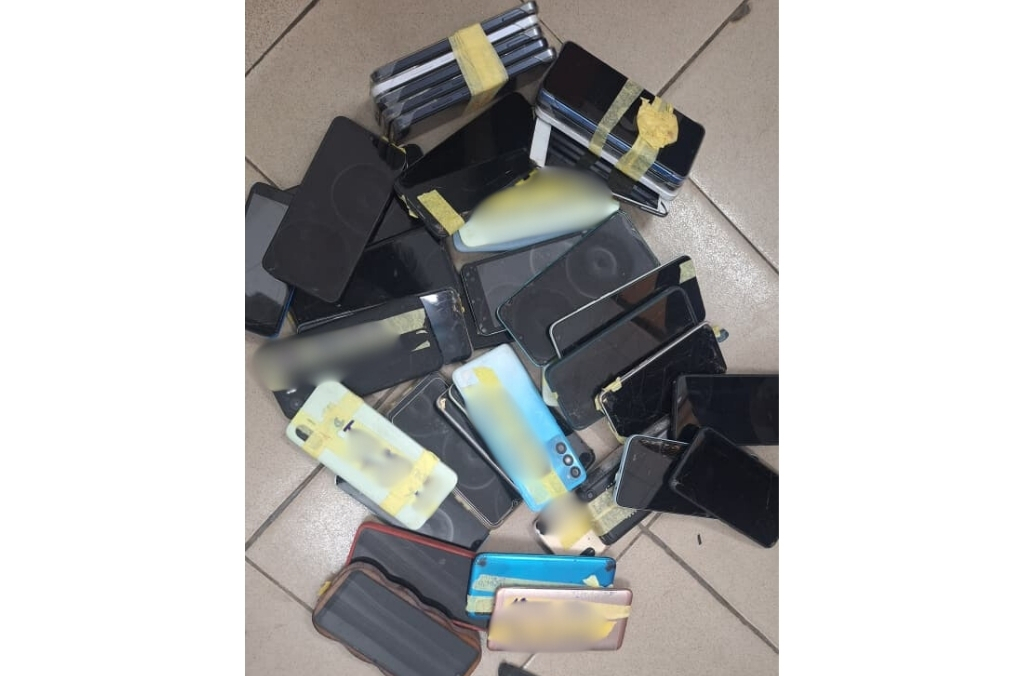
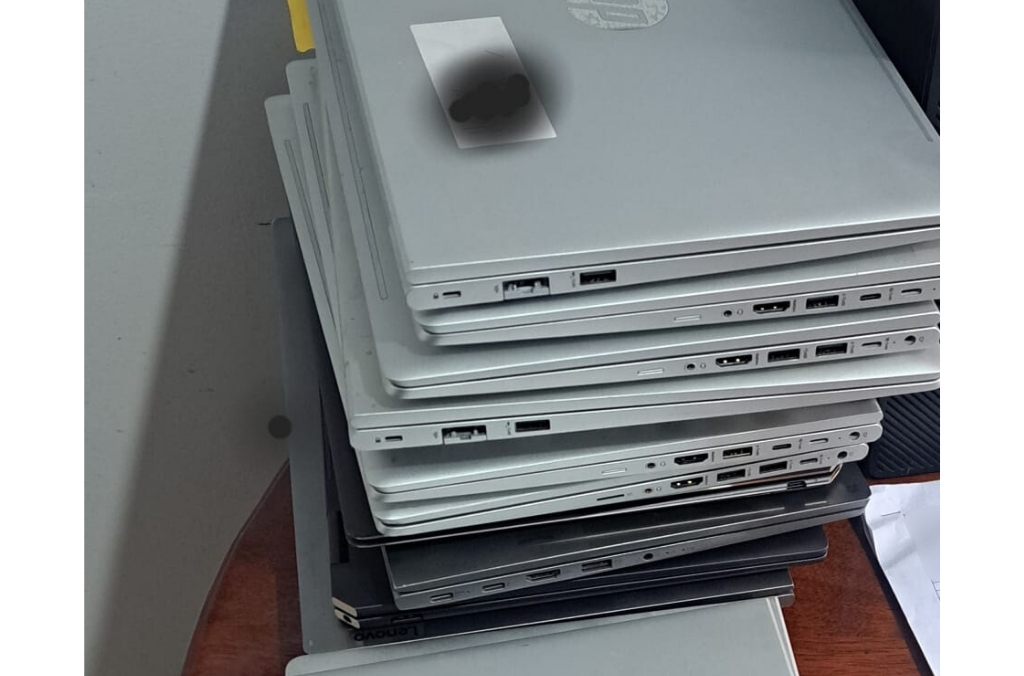
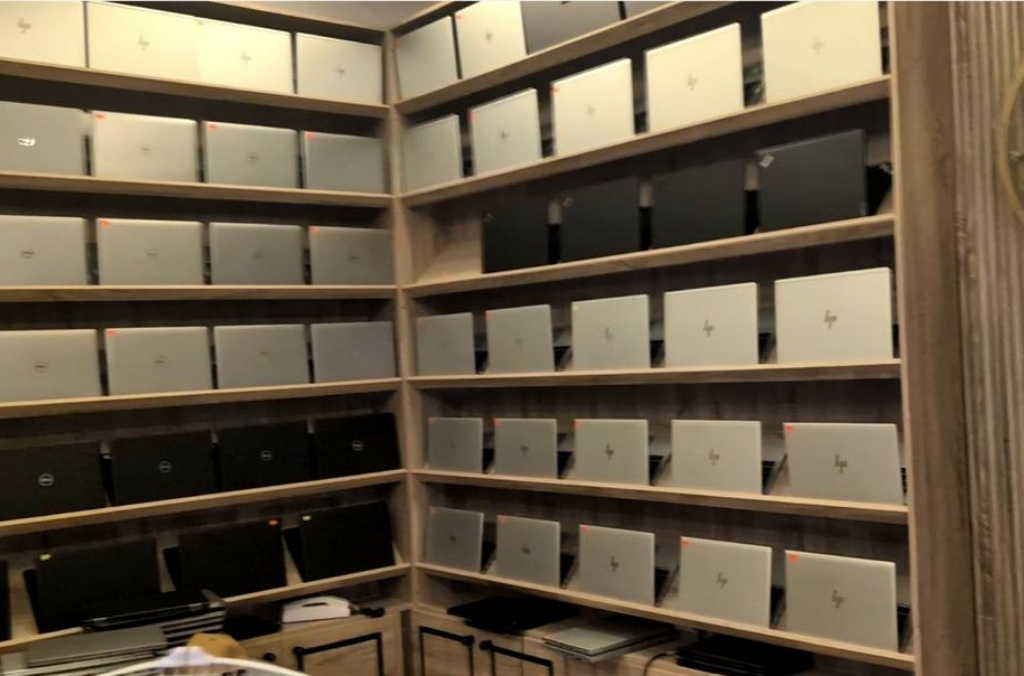
Authorities managed to seize 2,341 devices and shut down 1,442 malicious IPs, domains, and servers, in addition to other related assets.
INTERPOL's support for the operation involved crucial intelligence sharing, real-time information exchange, and capacity-building efforts, including training in digital forensic tools.
Neal Jetton, INTERPOL’s Director of the Cybercrime Directorate, stated, "These organized cybercriminal syndicates cause severe financial and psychological distress to individuals, companies, and entire communities through their deceptive schemes. Operation Red Card underscores the necessity of collaboration in combating transnational cybercrime. I urge all victims of cybercrime to contact law enforcement for assistance."
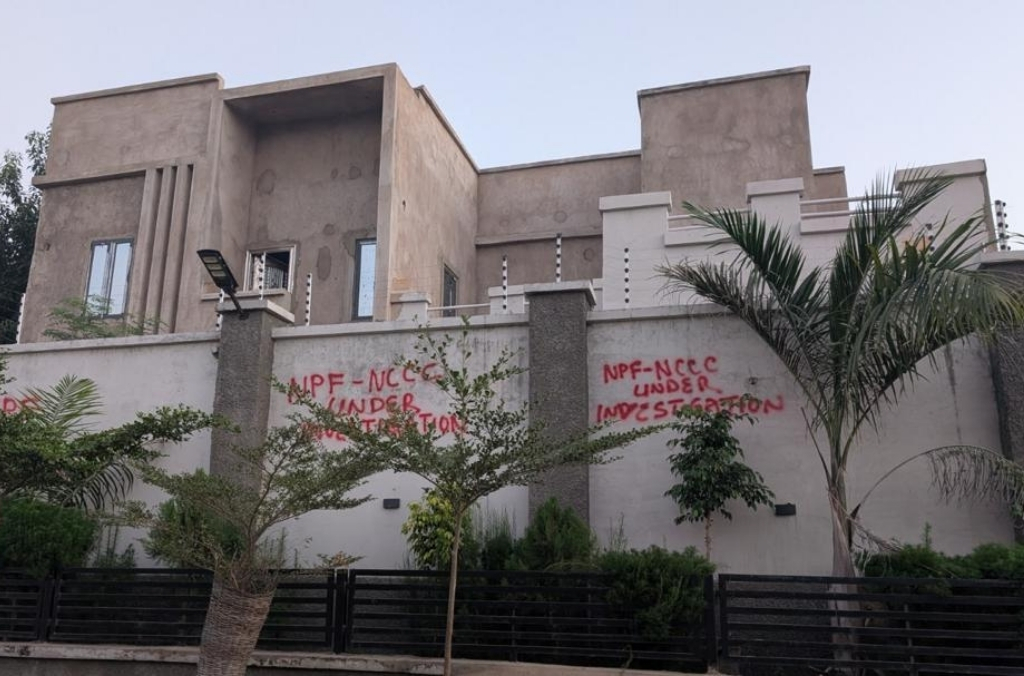
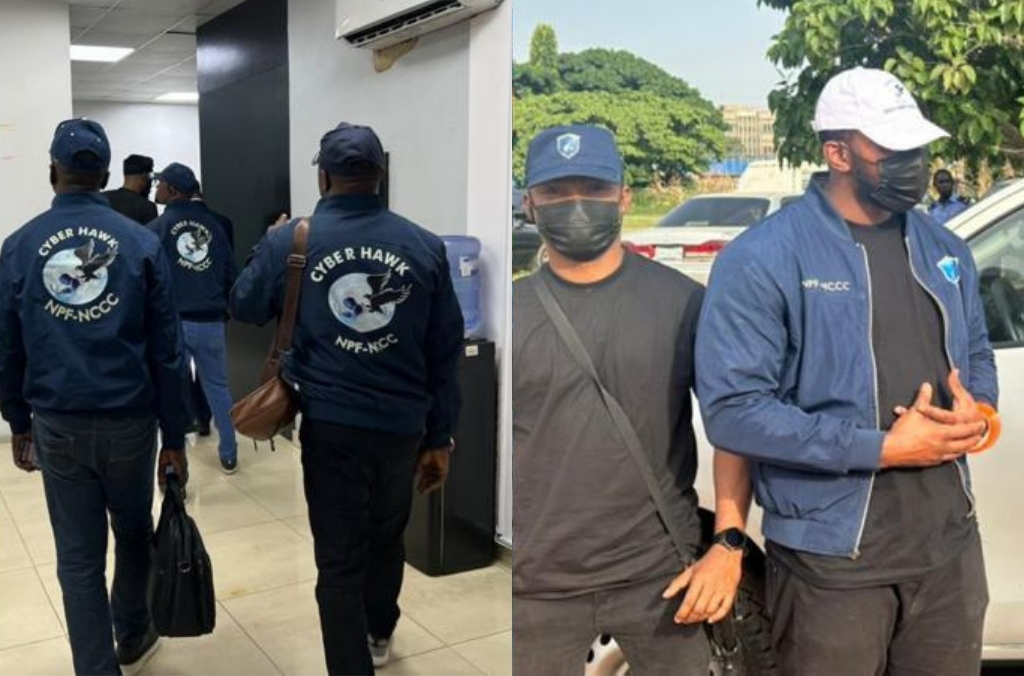
The statement elaborated that in Nigeria, police forces dismantled a high- yield investment fraud ring that recruited young people to conduct cyber- enabled crimes through phishing, identity theft, social engineering, and fake investment schemes in digital assets. More than 1,000 fraudulent social media profiles were shut down, and investigators uncovered a residential property built by the syndicate's leader, serving as the operational base for their criminal activities.
In Kenya, authorities arrested 27 individuals associated with fraud schemes utilizing messaging applications, social media, and fictitious testimonials to entice victims into making false investments in reputed global firms. Scammers solicited minimal initial investments, as low as USD 50, promising substantial returns, only to block withdrawal requests while presenting fraudulent account statements.
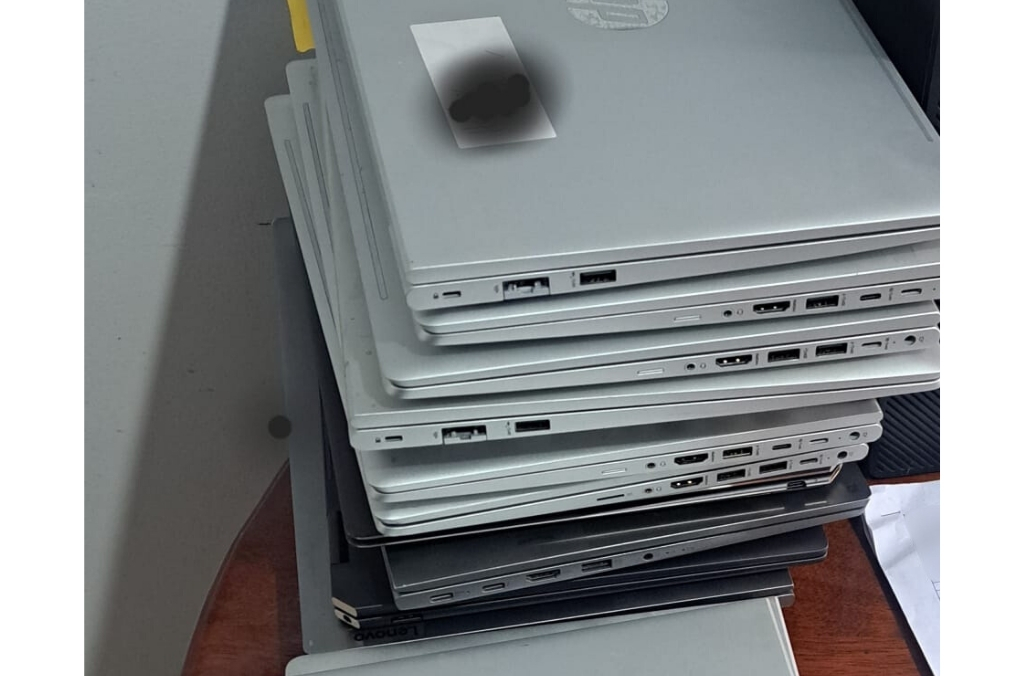
Côte d'Ivoire's law enforcement nabbed 58 suspects and confiscated 240 mobile phones, 25 laptops, and over 300 SIM cards in a focused operation against mobile loan fraud targeting vulnerable communities through misleading mobile applications and messaging services, luring victims with the promise of quick, unsecured loans, only to impose fees, aggressive debt collection tactics, and illicitly gather sensitive personal and financial information.
In a separate significant breakthrough, six members of a sophisticated cybercrime group were arrested in Nigeria for infiltrating a major telecommunications company through compromised staff credentials, leading to the diversion of substantial amounts of airtime and data for illicit resale.
During Operation Red Card 2.0, INTERPOL collaborated closely with partners including Cybercrime Atlas, Team Cymru, Trend Micro, TRM Labs, and Uppsala Security, utilizing their data and expertise to provide critical intelligence to the involved nations.
The operation was executed under the African Joint Operation against Cybercrime (AFJOC), backed by funding from the UK’s Foreign, Commonwealth & Development Office.
Additionally, the Global Action on Cybercrime Enhanced (GLACY-e) project, a joint effort between the European Union and the Council of Europe, offered operation-specific assistance.
Countries that participated include Angola, Benin, Cameroon, Côte d'Ivoire, Chad, Gabon, Gambia, Ghana, Kenya, Namibia, Nigeria, Rwanda, Senegal, Uganda, Zambia, and Zimbabwe.
Comments (0)
You must be logged in to comment.
Be the first to comment on this article!