
Nigeria is facing a severe drug crisis, with an estimated 14.3 million citizens aged between 15 and 64 having used illicit substances within a year, according to the latest National Drug Use Survey conducted by the National Drug Law Enforcement Agency (NDLEA).
National health authorities and experts are sounding the alarm, indicating that the nation is at risk of losing a generation to addiction. The problem has escalated beyond isolated incidents, now posing a significant public health and national security challenge, as detailed in a report referencing NAFDAC's findings.
The youth demographic is disproportionately affected, with the cost of achieving intoxication becoming alarmingly low. For as little as 500 to 1,000 Naira, young Nigerians can access substances offering temporary relief from stress or a perceived confidence boost. Tramadol, codeine syrup, and cannabis are reportedly easily obtainable from informal outlets, street vendors, and even some pharmacies that operate without proper prescription protocols, according to Vanguard.
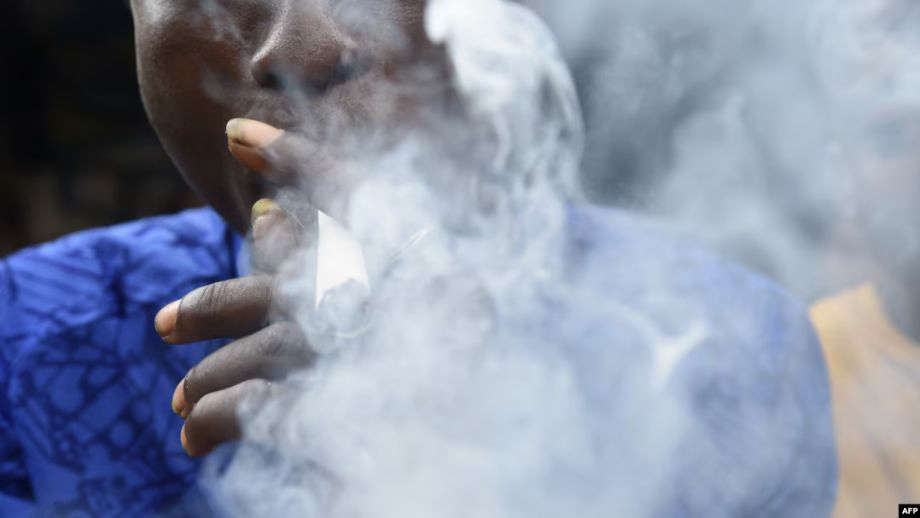
Methods of substance abuse are diversifying and becoming localized. In major cities like Lagos and Port Harcourt, the use of synthetic cannabis strains and chemical blends is prevalent. Meanwhile, in Abuja, there's an observed increase in the misuse of pharmaceutical sedatives such as Rohypnol and diazepam.
In rural areas, where resources are scarce, individuals are resorting to abusing common household and industrial items. Reports indicate that young people are inhaling petrol fumes, glue, and paint thinners, or preparing homemade mixtures like "monkey tail," which combines local gin with cannabis. These improvised methods highlight a pervasive culture of coping and experimentation driven by boredom and economic hardship.
The NDLEA has intensified its efforts to disrupt the drug supply chain. In the first two months of 2026 alone, the agency reported 3,913 arrests, secured 581 convictions, and confiscated over 113,000 kilograms of illegal substances. Nevertheless, officials acknowledge that the diversion of drugs from legitimate pharmaceutical channels into the illicit market continues to be a major obstacle.
Professor Christianah Adeyeye, the Director-General of NAFDAC, stressed that addressing the magnitude of this crisis requires more than just law enforcement actions. She pointed out that the growing acceptance of drug use in social settings like shisha lounges and university hostels has transformed it into a cultural concern, necessitating a comprehensive, multi-sectoral national response.
Survivors and parents of those affected have recounted distressing experiences detailing the long-term consequences of drug dependency. Beyond the immediate physical health impacts, experts caution that the persistent cycle of addiction is fundamentally altering the behavior and life paths of millions of young Nigerians. Without a robust and sustained national strategy to reduce both the supply of and demand for illicit drugs, the nation's social and economic stability remains in serious jeopardy.
Comments (0)
You must be logged in to comment.
Be the first to comment on this article!